Climate finance summit wraps up eyeing bigger progress
The global summit on overhauling the financial system aims to address debt burden and climate crises for developing nations.
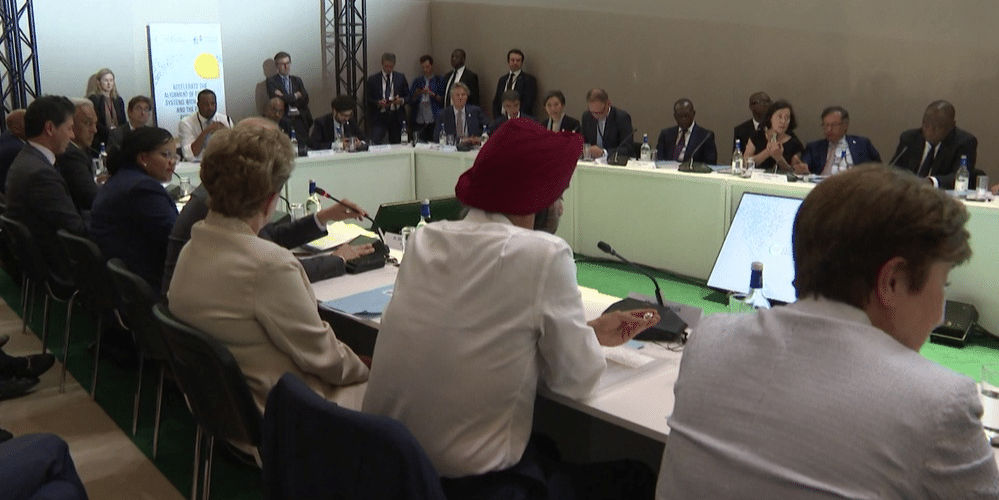

PARIS, FRANCE -- A global summit seeking to overhaul the international financial system wraps up Friday after taking small steps towards easing the debt burden of developing nations weighed down by climate and economic crises. While host country France pitched the conference as a consensus-building exercise, leaders are under pressure to produce clear outcomes from the two-day meeting as economies stagger under growing debt after successive crises in recent years. The summit comes amid growing recognition of the scale of the financial challenges ahead, with warnings that the world's ability to curb global warming at tolerable levels is reliant on a massive increase in clean energy investment in developing countries. With trust in short supply over broken climate and financing promises from richer countries, developing nations are looking for tangible progress. The V20 group of countries on the climate front lines -- which now includes 58 member nations -- has said restructuring the global financial system to align with climate targets must be completed by 2030. "We come to Paris to identify the common humanity that we share and the absolute moral imperative to save our planet and to make it liveable," said Barbados Prime Minister Mia Mottley, whose Caribbean island nation is threatened by rising sea levels and tropical storms. She has become a powerful advocate for revamping the role of the World Bank and International Monetary Fund in an era of the climate crisis. Barbados has put forward a detailed plan for how to fix the global financial system to help developing countries invest in clean energy and boost resilience to climate impacts. One key announcement came from IMF director Kristalina Georgieva, who said a pledge to shift US$100 billion of liquidity-boosting "special drawing rights" into a climate and poverty fund had been met. World Bank president Ajay Banga said the lender would introduce a "pause" mechanism on debt repayments for countries hit by a crisis so they could "focus on what matters" and "stop worrying about the bill that is going to come". Separately, Senegal was promised 2.5 billion euros (US$2.7 billion) by a group of wealthy nations and multilateral development banks to help the West African country reduce its dependence on fossil fuels. And Zambia, which defaulted on its debt after the Covid pandemic broke out, secured some financial relief as its main lender China and other creditors agreed to restructure US$6.3 billion in loans. On Twitter, Zambian President Hakainde Hichilema called it a "significant milestone in our journey towards economic recovery & growth".