Amid the coronavirus outbreak, the SDP's election message sounds the right notes
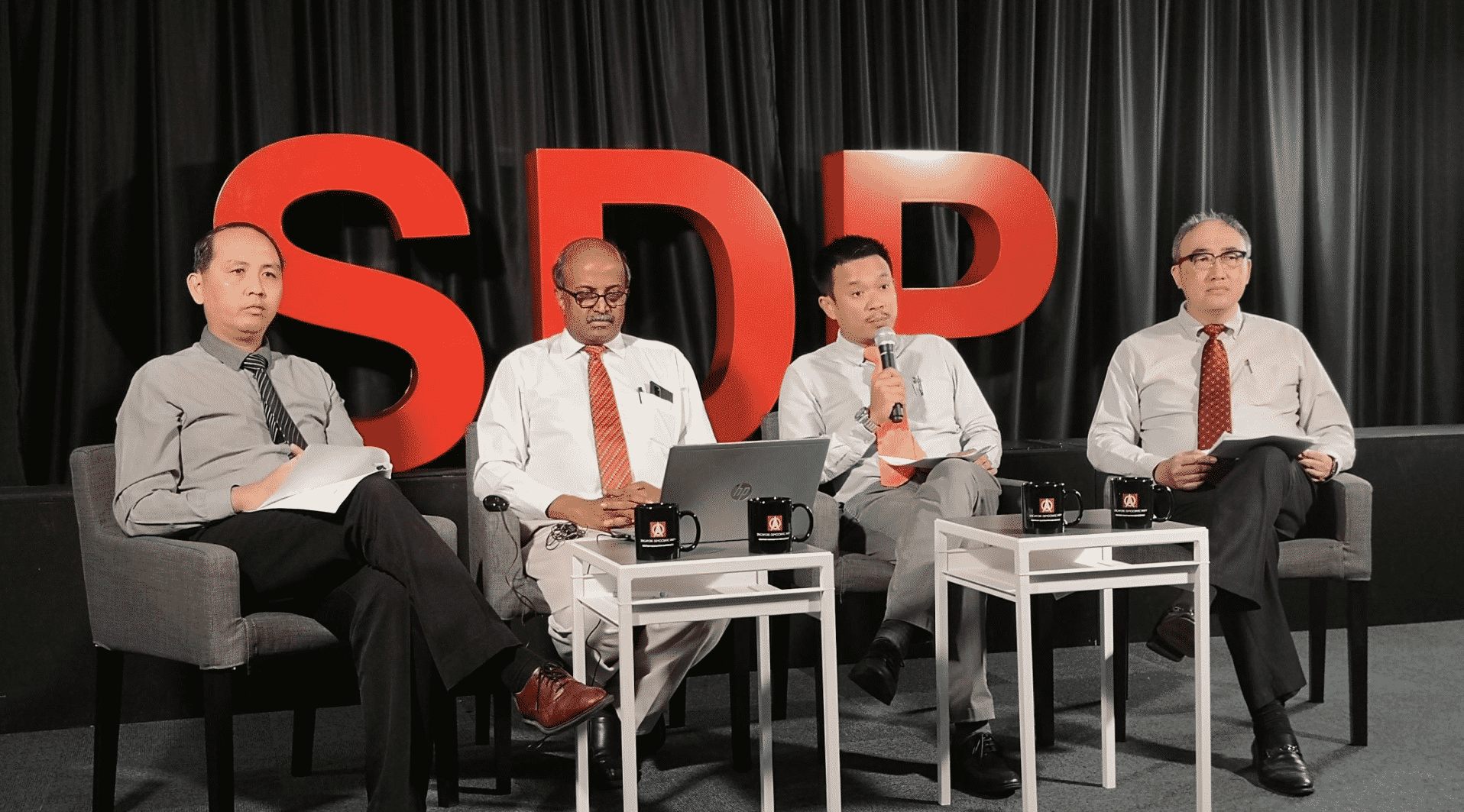

Given that the Peoples' Action Party (PAP) led government has not yet formally postponed the General Election despite the ongoing corona virus outbreak, we have to assume that the General Elections are indeed looming. While normal campaigning activities such as walkabouts and rallies are not happening while the Circuit Breaker (CB) measures are still in place, election preparations still have to be undertaken, especially for the opposition parties who may have less access to the general public. In view of this, the Singapore Democratic Party (SDP) has unveiled its “Four Yes, One No” general election campaign plan. Recognising that the world will be greatly altered post lock down and acknowledging the global desire for change, the SDP's vision takes into account the need to prepare Singapore for a post-COVID-19 future. Looking at the broad points of its plan, it seems apparent that the SDP has put the welfare of the average Singaporean in the forefront of its campaign message with equality at the core. Economists worldwide have predicted that the effects of COVID-19 will last for some time to come. Many will lose their jobs or suffer salary cuts. Businesses will fail and times will be hard. The Singapore government has given every Singaporean above the age of 18 a one time payment of $600. While that may seem like a windfall, it will be barely enough to cover expenses when the full economic effects really hit. What forward planning measures has the government put in place to help the average Singaporean thereafter? The SDP has proposed as Yes #1 – Suspend GST to cut the Goods and Services Tax (GST) to 0 per cent until the end of 2021. It believes the GST suspension will stimulate the economy and help businesses. The SDP observes that “the GST is a regressive tax and will hurt the poor more than the rich. It is not smart economics to raise the GST to 9% as proposed by the PAP”. Everyone has to buy things in order to survive. Consumption taxes such as the GST is therefore the most punitive tax on lower income groups. This is especially so in the Singaporean context where there are no exemptions for necessities. The Workers Party (WP) had earlier this year opposed the the GST increase to 9 percent anytime between 2021 to 2025. While the government has said that this increase was needed in order to amplify the country’s growing recurrent spending, especially in the healthcare industry, the WP had opposed this on the basis of a lack of information about different revenue streams among other things. It has never been entirely clear why GST increases were needed in the first place. In view of the unprecedented times, the SDP's proposal to suspend GST makes logical sense:
- Although the government has refused to disclose our national reserves, it has always hinted that it is very healthy. So, why do we need to tax people for consuming (even necessities) in such trying times?
- Given that no vaccine is in sight for the corona virus, it is very likely that we will still be facing the economic effects of the corona virus in 2022 and beyond. People will need to consume in order to survive. The GST and its looming increase could cripple household income.