PM Wong’s fear of losing ministers raises questions on PAP’s leadership depth and resilience
Prime Minister Lawrence Wong’s Fullerton rally speech on 28 April warned of instability if a few ministers were lost. Yet, this raises serious questions about the PAP’s leadership depth and Singapore’s political resilience. True strength lies in strong institutions, not near-total dominance at the ballot box.


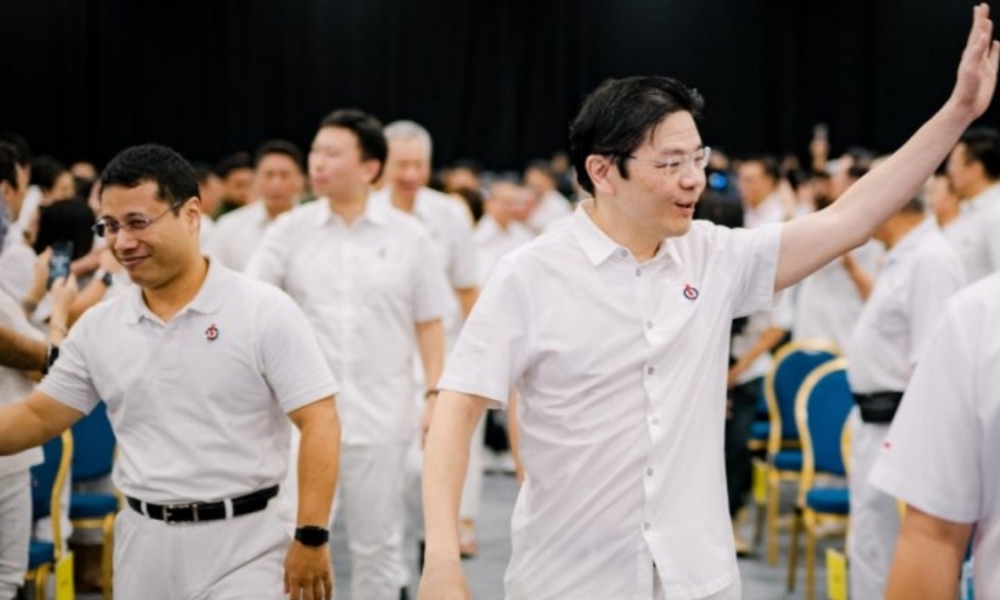
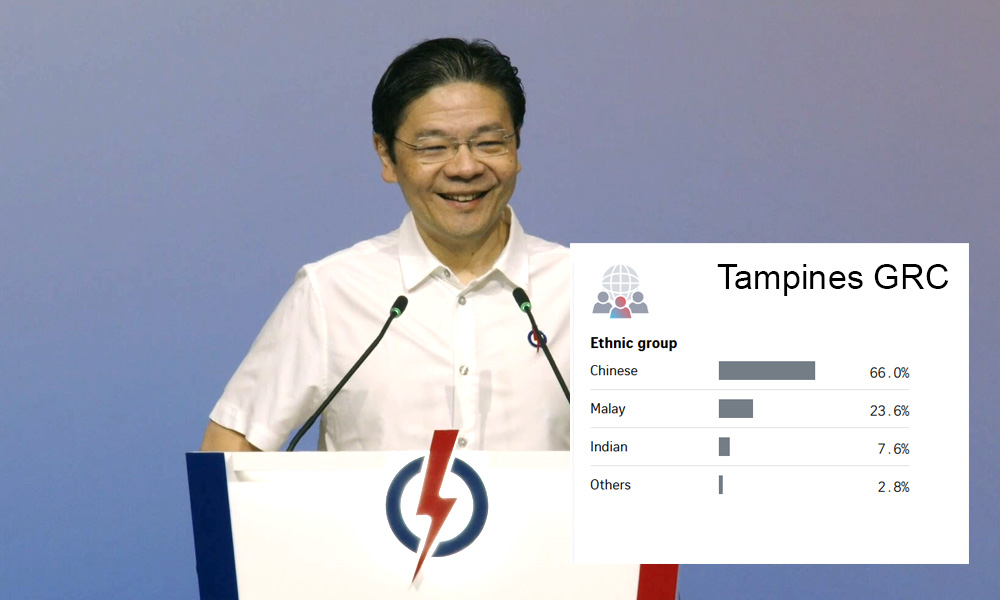
Prime Minister Lawrence Wong’s speech at the Fullerton rally on 28 April 2025 set a striking tone for the rest of the election campaign.
Wong warned that losing just three or four ministers would significantly weaken Singapore’s Cabinet, government, and the country itself.
This statement invites serious reflection about the depth of leadership within the People's Action Party (PAP), and about the expectations of political resilience in Singapore’s democracy.
The PAP has long emphasised leadership renewal, with Wong himself highlighting that the party is fielding the largest number of new candidates in recent history.
Yet, the idea that the loss of a few ministers could destabilise governance suggests that the renewal process may not be as deep or as robust as claimed.
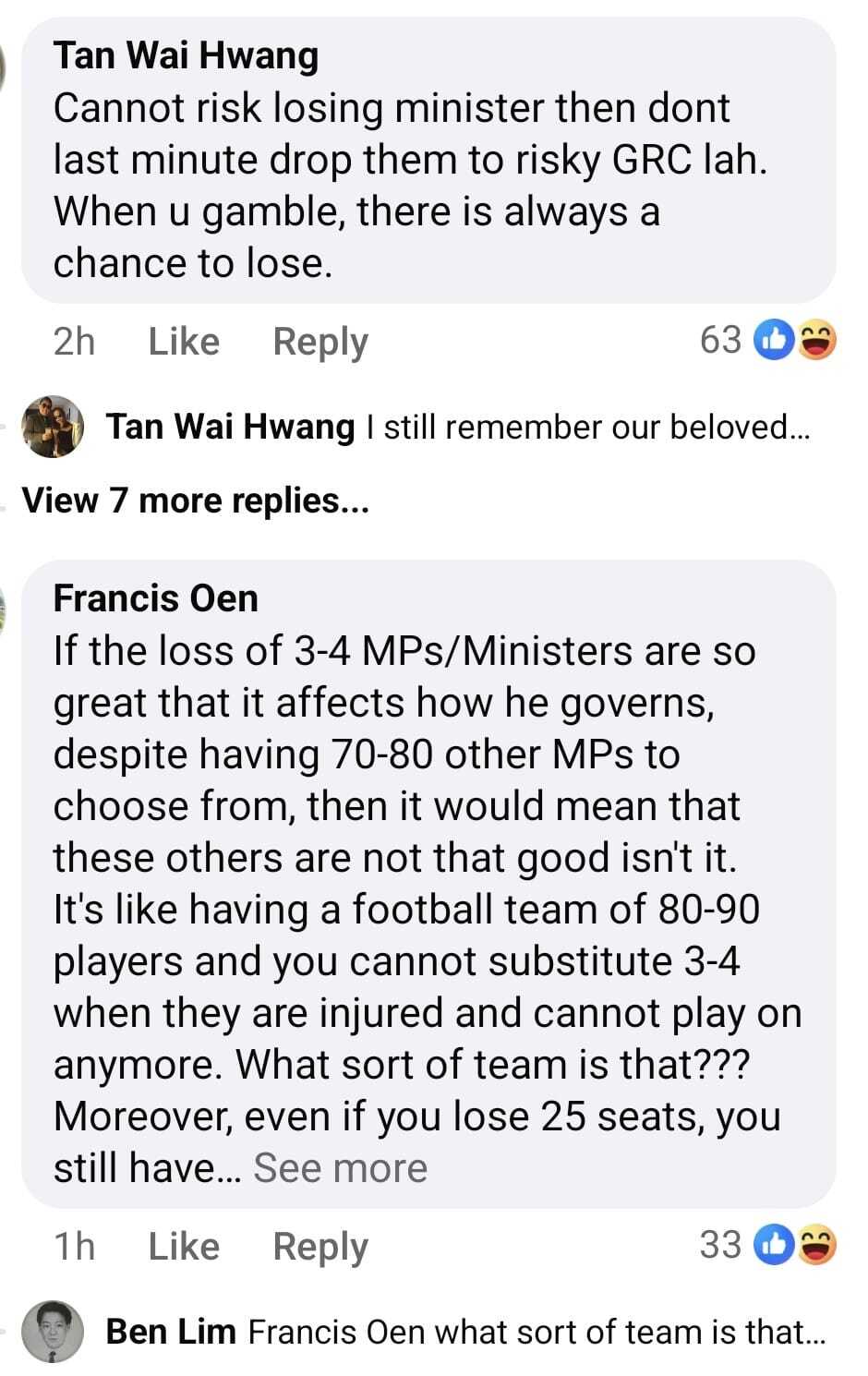
A particularly apt analogy circulating online compared the situation to a football team of 80 to 90 players being unable to substitute three or four injured players.
If a team cannot continue functioning effectively after losing a handful of players, it raises inevitable questions about the strength of its wider bench.
Moreover, Wong’s suggestion that foreign powers would "push Singapore around" if the PAP’s mandate weakens appears to misunderstand how countries assess each other internationally.
In global affairs, strength is not judged by the margin of electoral victories but by economic vitality, national stability, governance quality, and strategic clarity.
Japan, for example, frequently experiences Cabinet reshuffles and changes in government without seeing any significant decline in its ability to negotiate, compete, or defend its interests.
Singapore’s standing in the world will continue to rest on its economic competitiveness, institutional strength, and societal unity — not on the size of one party’s parliamentary majority.
In a functioning democracy, so long as a government holds a majority, it retains full authority to govern and pass laws.
There is no need for near-total dominance to maintain legitimacy and effectiveness.
To imply otherwise risks setting Singapore apart from the norms of developed democracies and aligns uncomfortably with systems where opposition voices are not meaningfully tolerated.
It is worth noting that even North Korea is officially styled as a "Democratic People’s Republic," a reminder that the form of democracy matters less than the substance of political participation and competition.
If Singapore’s government cannot function effectively without near-complete electoral dominance, it would represent a worrying fragility rather than a strength.
True resilience lies in the ability to govern confidently and competently even amidst political competition, leadership turnover, and evolving public expectations.
Singapore’s success has been built not just on strong leadership but on strong institutions, public trust, and sound policies.
It must continue to be underpinned by these foundations, rather than by the electoral supremacy of any one party or set of individuals.
As citizens consider their choices in this general election, the real question is not how to prevent change, but how to ensure that change, when it comes, strengthens the country’s foundations rather than weakens them.
Singapore deserves a political system that is durable, confident, and capable of renewal — not one that fears the normal workings of democracy.