Lim Tean: Removal of opposition leader exposes political control masked as democracy
Peoples’ Voice chief Lim Tean says the Prime Minister’s removal of Pritam Singh as Leader of the Opposition reveals the discretionary and fragile nature of the role. His comments join a growing chorus of criticism from opposition leaders across parties.
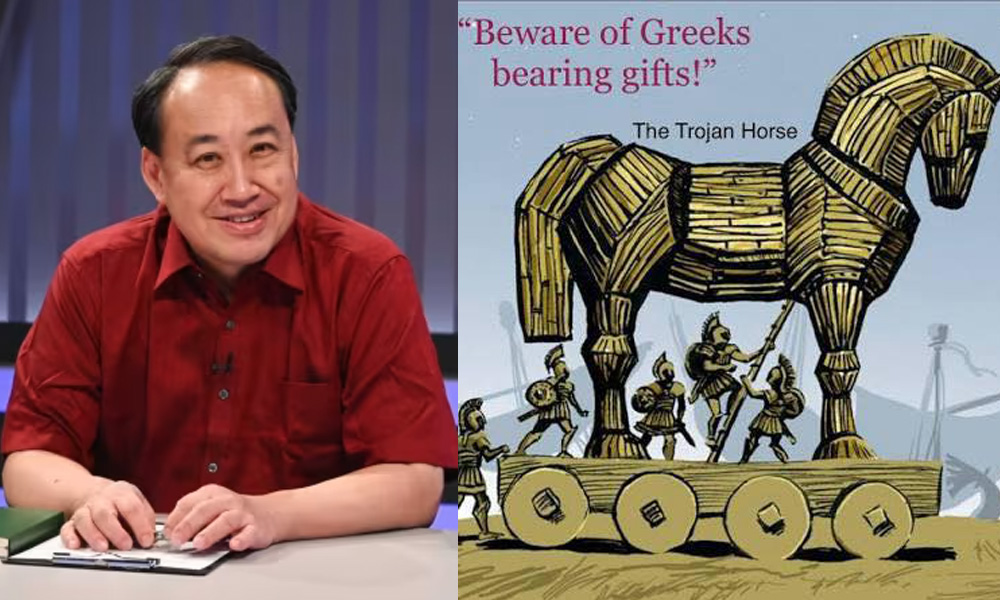

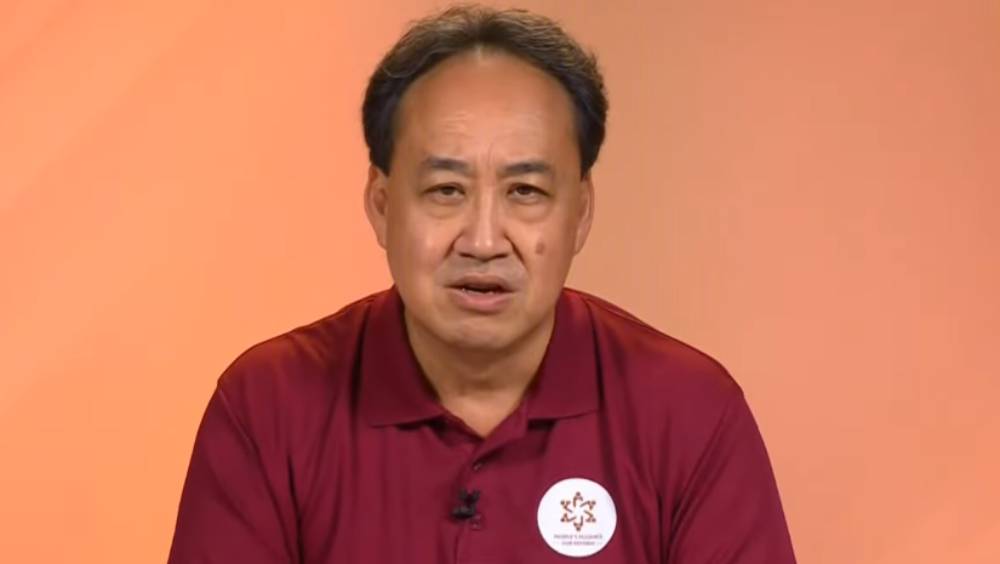
“The Leader of the Opposition role is a poisoned chalice and a Trojan horse,” said lawyer and Peoples’ Voice (PV) Secretary-General Lim Tean on 16 January 2026, in a statement sharply criticising the government’s removal of Workers’ Party (WP) chief Pritam Singh from the position.
Lim warned that the current form of the role, which is neither constitutionally protected nor determined by parliamentary convention, exposes opposition parties to political manipulation.
“This is not a privilege granted by the government of the day, but a status conferred by voters themselves,” he wrote. “Singapore departs sharply from this democratic norm.”
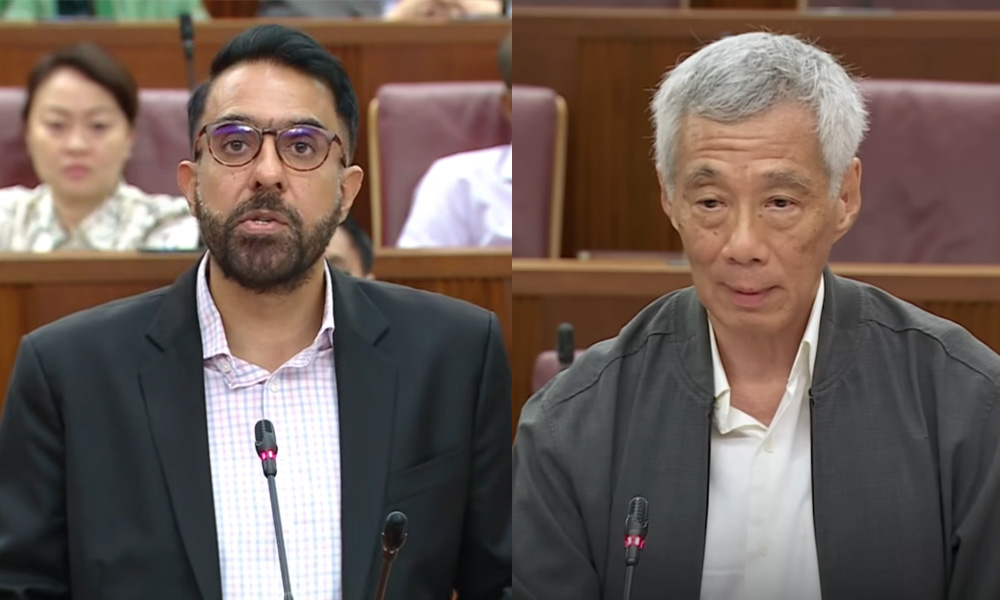
His comments follow Prime Minister Lawrence Wong’s decision on 15 January to formally remove Singh from the post of Leader of the Opposition.
The decision came one day after Parliament passed a motion declaring Singh unsuitable, after his conviction for lying to a parliamentary committee was upheld by the High Court.
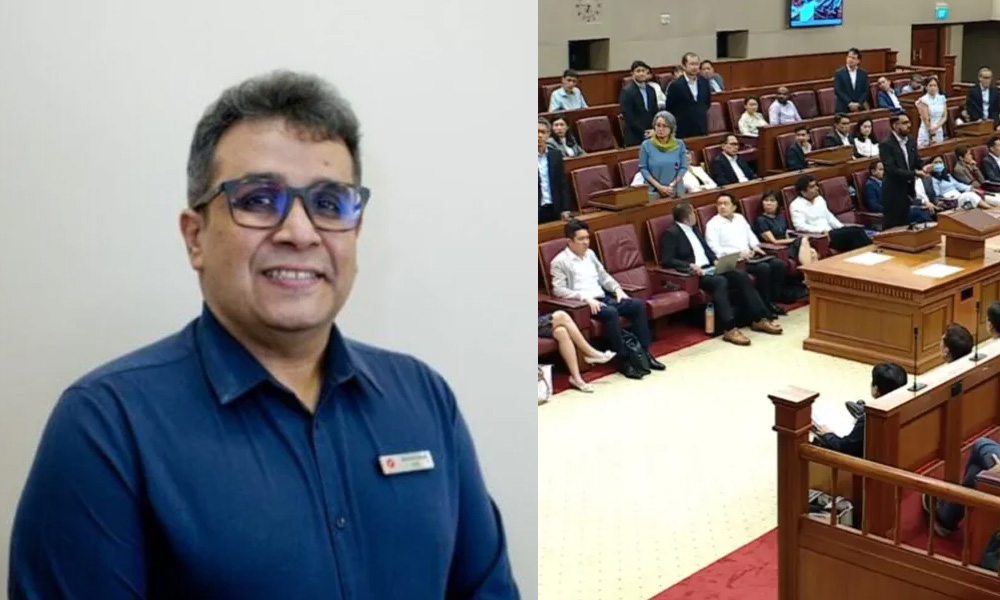
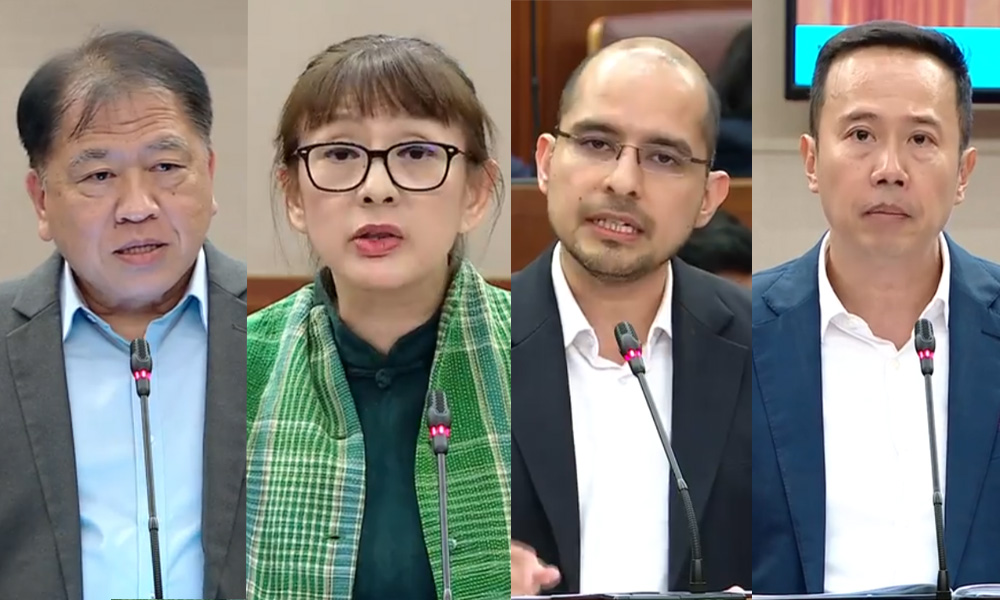
Lim’s criticism was not limited to the executive decision. He expressed dismay at the parliamentary motion debate held on 14 January, describing speeches by Members of Parliament from the People's Action Party (PAP) and Nominated MPs as reflecting a “naïve” understanding of democracy.
“It bodes ill for Singapore when we have such persons as Parliamentarians,” he added.
Citing Westminster-style democracies such as the United Kingdom, Australia, and Canada, Lim argued that the Leader of the Opposition in those countries is determined by parliamentary numbers, not at the discretion of the Prime Minister.
“In a true democracy, the leader of the largest opposition party in Parliament is, by convention and by principle, the de facto Leader of the Opposition.”
He argued that the Prime Minister’s power to appoint and remove the opposition leader makes the role “conditional, not inherent”—undermining democratic accountability and institutional independence.
“The rule of law implies that no individual is above the system,” he said. “But when political outcomes depend on who holds power rather than on established democratic norms, what emerges is rule by man.”
Lim concluded by advising the WP to decline the Prime Minister’s invitation to nominate another MP to take Singh’s place.
He warned that continuing to participate in the role under its current framework would bring “endless problems” and urged the opposition to rely on electoral legitimacy instead of “any Greek gift from the PAP.”
Lim’s comments add to a growing list of opposition voices questioning the structure and legitimacy of the LOO role.
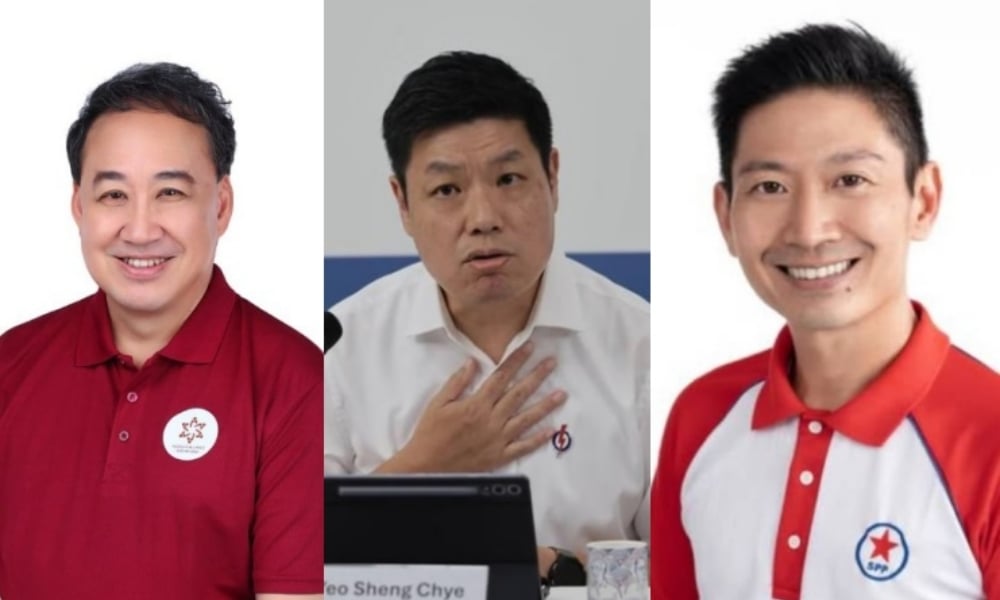
Ravi Philemon, Secretary-General of Red Dot United, had issued his own statement prior to Lim’s. He described Singh’s removal as a global embarrassment and said it exposed the LOO office as a hollow title with no constitutional protection.
“The form of a robust opposition office was created, without its substance,” Philemon said, adding that a single signature from the Prime Minister is all it takes to revoke the office from its holder.
He referenced former WP chief Low Thia Khiang, who had rejected the idea of being an “unofficial” opposition leader, arguing that such a term was insulting to the opposition’s mandate. Philemon said that unless the role is codified in Parliament’s Standing Orders with safeguards, the WP should decline to nominate a replacement.
Meanwhile, the Progress Singapore Party (PSP) issued a separate statement on 16 January stating that the LOO role, in its current form, does not institutionalise the opposition’s place in Singapore’s political system but instead reinforces a one-party dominant structure.
PSP said the role should be filled by the leader of the largest opposition party in Parliament, selected by opposition MPs, and not appointed at the discretion of the Prime Minister. The party also noted the lack of constitutional or procedural guarantees as “regrettable” and inconsistent with Westminster practices.
While PSP thanked Singh for his service as LOO and acknowledged his support for PSP’s NCMPs in the 14th Parliament, it joined other parties in calling for structural reforms.
Singh was removed as LOO on 15 January 2026, one day after Parliament passed a motion declaring him unsuitable, following his High Court-upheld conviction for lying to the Committee of Privileges. Prime Minister Wong has since invited the WP to nominate a replacement, though the party has not yet responded publicly.