NMPs are no longer neutral: The Pritam Singh debate confirms the partisan drift
The Nominated Member of Parliament (NMP) scheme no longer upholds its non-partisan mandate. From the Pritam Singh censure motion to the first NMP-turned-party MP, the line between neutrality and partisanship has decisively collapsed.
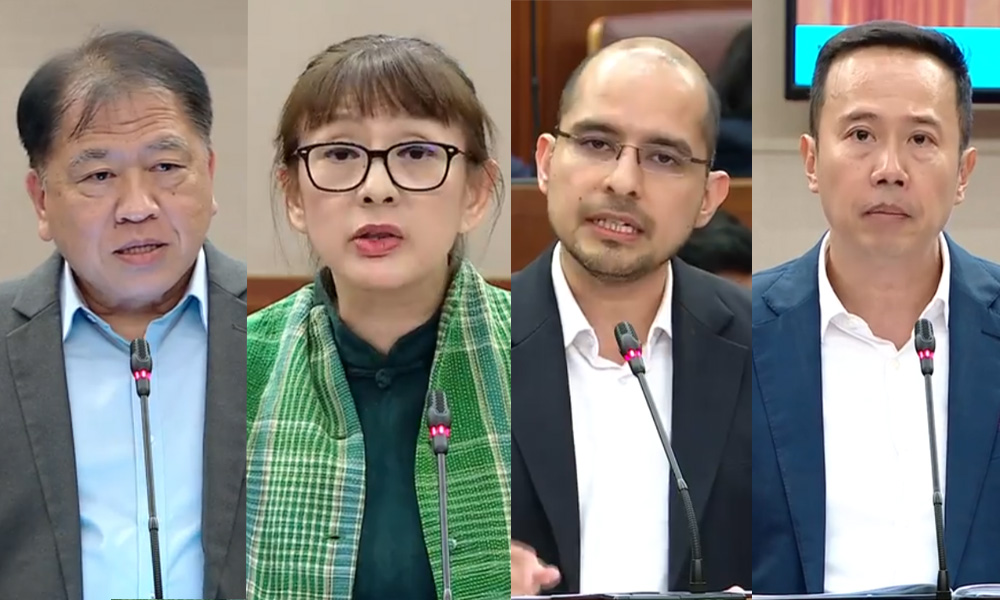

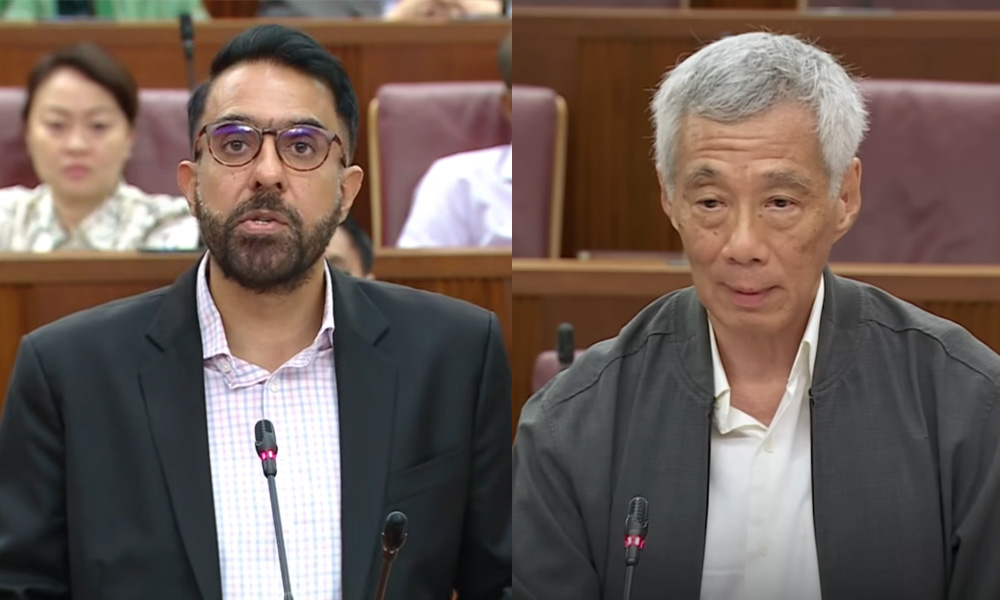
The conduct of Nominated Members of Parliament (NMPs) in the recent debate on the motion against Leader of the Opposition Pritam Singh has laid bare what we already know: the NMP scheme no longer functions as a non-partisan institution. It has become, in both speech and outcome, a politically convenient mechanism aligned with the ruling party’s interests.
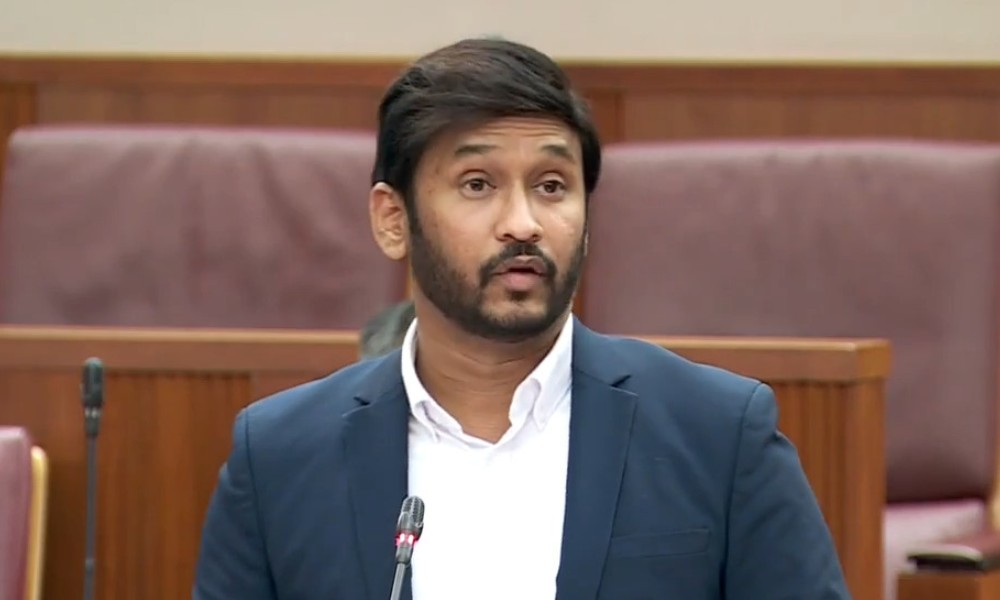
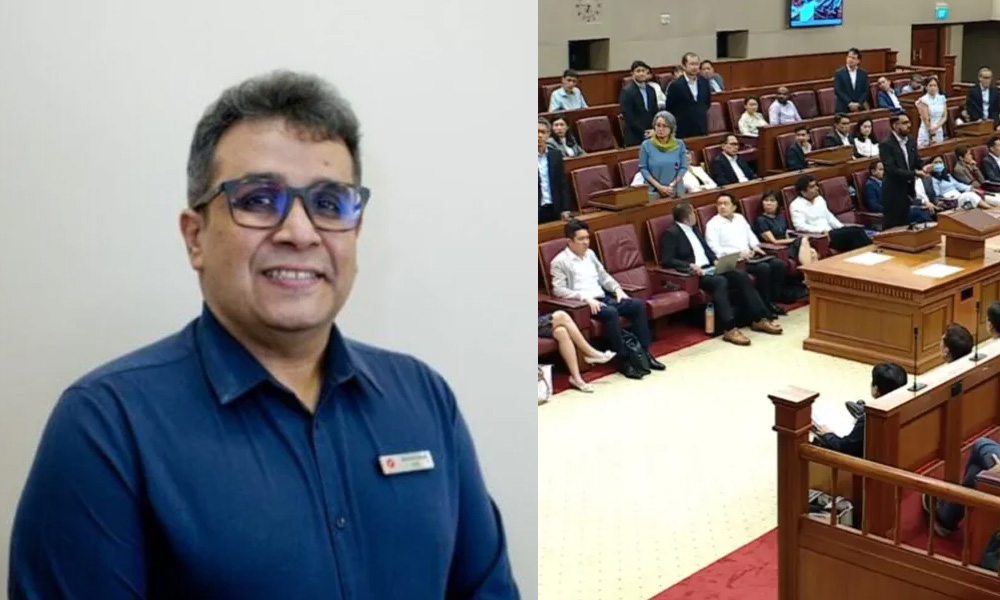
On 14 January 2026, three NMPs—Kuah Boon Theng, Mark Lee, and Dr Neo Kok Beng—spoke in support of a motion tabled by Leader of the House Indranee Rajah, which declared Pritam Singh unfit to continue in his role due to his conviction for lying to a parliamentary committee. All eight NMPs present voted in favour of the motion. Their alignment with the People’s Action Party (PAP) position was clear, coordinated, and complete.
The fact that these were newly sworn-in NMPs—just two days into their term—makes this all the more significant. The timing suggests their selection was not coincidental, but deliberate. If these individuals were chosen for their independence and expertise, they gave no indication of it. Their speeches echoed government messaging almost word for word.
Kuah framed Singh’s continued leadership as a failure to uphold professional standards. Lee, a second-term NMP, highlighted the economic costs of diminished trust, while Neo accepted the court’s findings without question, insisting that Singh’s role had become untenable. There was no divergence of view, no alternative framing, and no indication that these speakers saw their role as distinct from partisan actors.
This is not simply a case of NMPs voicing personal convictions. It reflects a pattern now familiar within the scheme: individuals enter under the guise of neutrality, support positions aligned with the ruling party, and are then shielded from political accountability under the NMP label.
The most striking example of this is Dr Syed Harun Alhabsyi, who now serves as a Senior Parliamentary Secretary. Appointed as an NMP in 2023, he resigned from the post before completing his term and subsequently contested—and won—a seat in the 2025 General Election as a PAP candidate in Nee Soon GRC.
During the 14 January debate, Dr Syed, now a PAP MP, delivered a speech condemning Singh’s integrity. Yet when challenged by Workers’ Party chair Sylvia Lim over his own record, he dismissed her comments as irrelevant and insisted his actions were beyond reproach.
Lim pointed out that the NMP role was explicitly intended to be non-partisan, and that Dr Syed’s resignation, followed by partisan affiliation, raised fundamental questions about integrity. He denied this categorically, stating that he was “absolutely” independent during his time as an NMP.
But that defence fails to address the core contradiction. The essence of the NMP scheme is its neutrality—an independence not only of mind, but of political affiliation and ambition. Dr Syed’s move from unelected NMP to elected PAP MP, while legally permissible, collapses the very distinction the NMP role is meant to represent.
Another former NMP, Raj Joshua Thomas, also resigned before completing his term, though he ultimately did not contest the election. Nonetheless, the trend is clear: the NMP scheme is now operating as a soft-entry channel into party politics—specifically, PAP politics.
This undermines the scheme’s stated purpose. When the NMP system was introduced in 1990, it was framed as a way to introduce non-partisan voices from civil society, business, and academia—individuals without party affiliations who could offer independent perspectives.
Now, NMPs are being drawn into politically charged motions—such as censuring the Leader of the Opposition—not as neutral commentators, but as participants in a contest between the ruling party and the opposition. Their involvement in such matters cannot be defended as simply a contribution to parliamentary debate on public policy or governance standards.
The issue here is not merely that the three NMPs criticised Pritam Singh. It is that they chose to enter a fundamentally political dispute—one driven by clear partisan conflict—just two days after taking their oaths of office, and did so without acknowledging the implications of their own positions as unelected, supposedly non-partisan voices.
A truly non-partisan individual, especially one newly appointed to such a role, would have recognised the political context of the motion: it was initiated by a PAP minister against the WP leader, with a clear impact on the balance of power and the legitimacy of the opposition. This was not a debate over policy or professional ethics in the abstract—it was a live political confrontation between the ruling party and its chief parliamentary rival.
In such circumstances, a neutral actor would have abstained, both from speaking and voting, in order to preserve the independence and credibility of the NMP role. Their choice to participate actively in the motion—and to do so in full alignment with the government’s argument—undermines any claim to non-partisanship.
Moreover, their speeches did not introduce independent or alternative framings of the issue. Instead, the language and reasoning adopted by the three NMPs mirrored government rhetoric, emphasising the need for the Leader of the Opposition to step down and presenting the matter as a question of integrity, without engaging with broader concerns of political context, precedent, or proportionality.
This conferred legitimacy on the government’s position—not by challenging or moderating it, but by reinforcing it under the cover of neutrality. In doing so, the NMPs did not simply express personal convictions; they functionally helped the ruling party advance a political objective while avoiding the perception of partisan aggression.
This is what we mean when we say they do not bear the political cost. If the same speeches had come solely from PAP MPs, the action could more readily be seen as politically motivated. But with NMPs echoing the message, the government appears measured, and the motion gains a veneer of broad, non-partisan consensus.
In reality, it was anything but. The fact that all eight NMPs present voted in favour of the motion—without a single abstention or dissent—only reinforces the conclusion that the current NMP scheme no longer safeguards neutrality in practice.
Instead, it creates space for individuals who are ideologically or institutionally aligned with the ruling party to intervene in political disputes without having to account to voters, and without admitting any partisan identity.
Neutrality is not about the content of a single speech. It is about structure, intention, and the absence of political alignment. On all these fronts, the current NMP system fails.
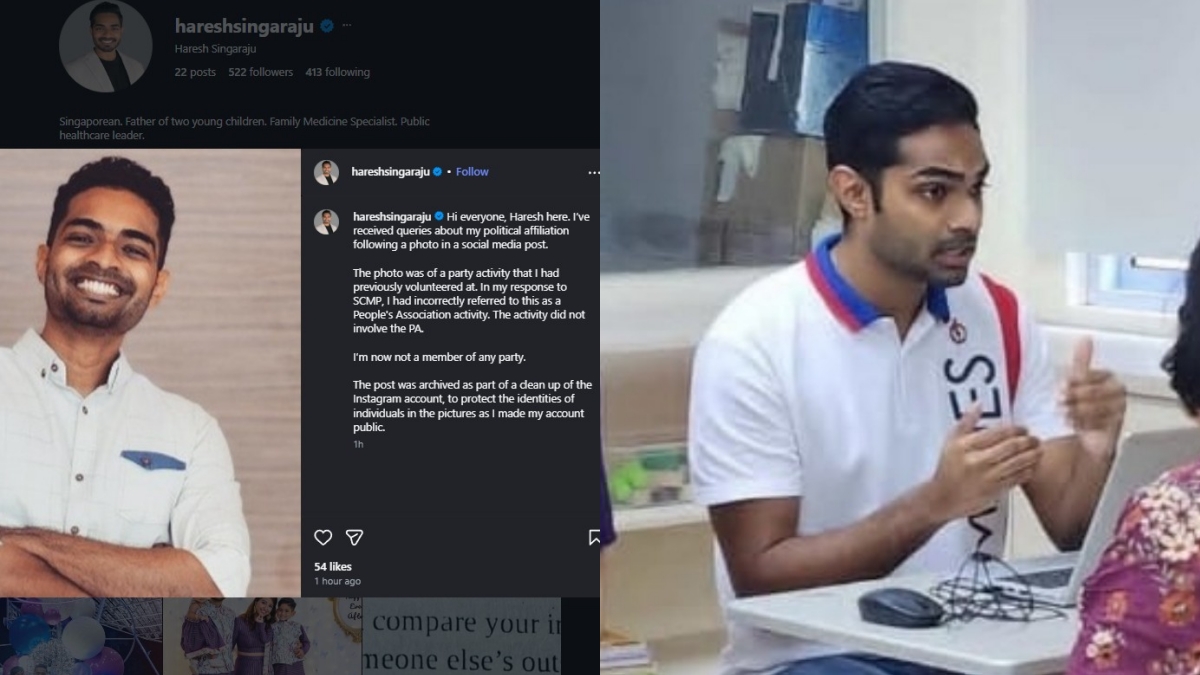
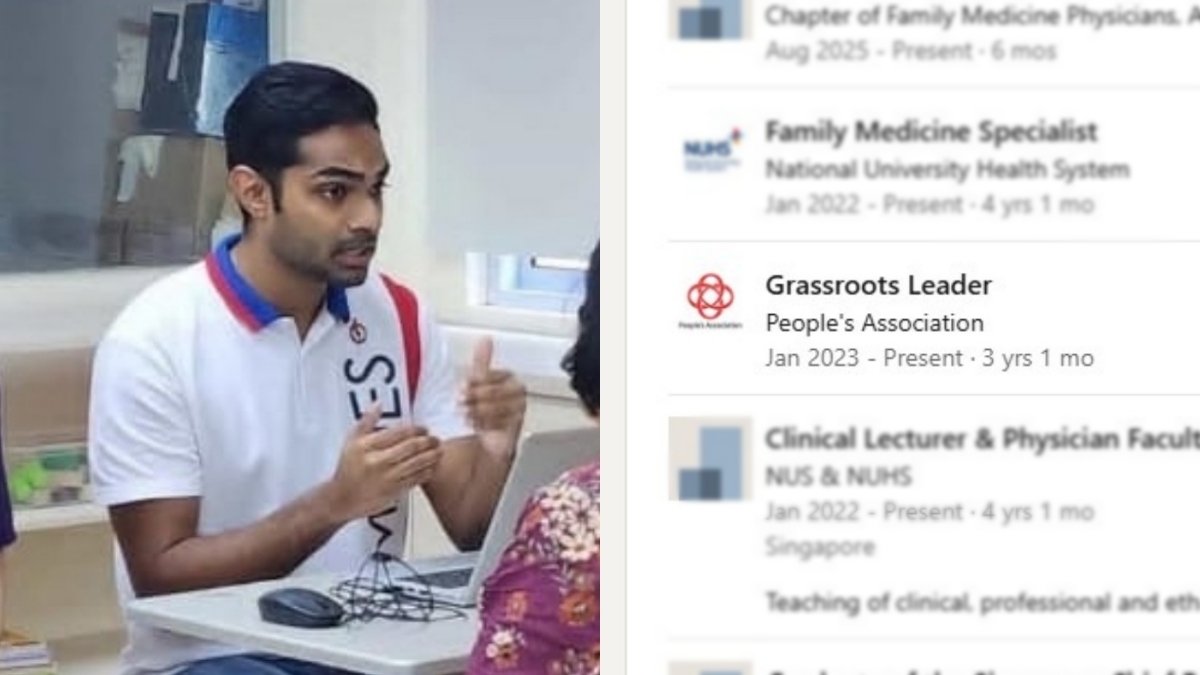
Further calling the neutrality of the scheme into question is the inclusion of Dr Haresh Singaraju in the current NMP cohort. Dr Haresh publicly confirmed that he was previously a member of the People’s Action Party and had held multiple grassroots leadership roles under its affiliated structures in Tampines West.
A photograph of him wearing PAP attire at a Meet-the-People Session in 2023 resurfaced shortly before his swearing-in, prompting controversy over his political ties. While he clarified that he is no longer a party member, the incident underscores how individuals with explicit partisan affiliations continue to be appointed under the guise of neutrality.
It is time to acknowledge this plainly. The scheme, in its current form, cannot be said to serve its intended purpose. Either the NMP role must be fundamentally reformed—with restrictions on political party involvement during and after tenure—or the scheme should be phased out altogether.
Continuing to allow partisan influence under the cloak of neutrality only damages the credibility of Parliament and misleads the public about the independence these appointees are meant to embody.