Ravi Philemon says PM’s removal of opposition leader exposes fragility of Singapore’s political system
Red Dot United chief Ravi Philemon says the Prime Minister’s power to remove the Leader of the Opposition proves the role lacks institutional safeguards and undermines democratic accountability in Singapore’s political system.
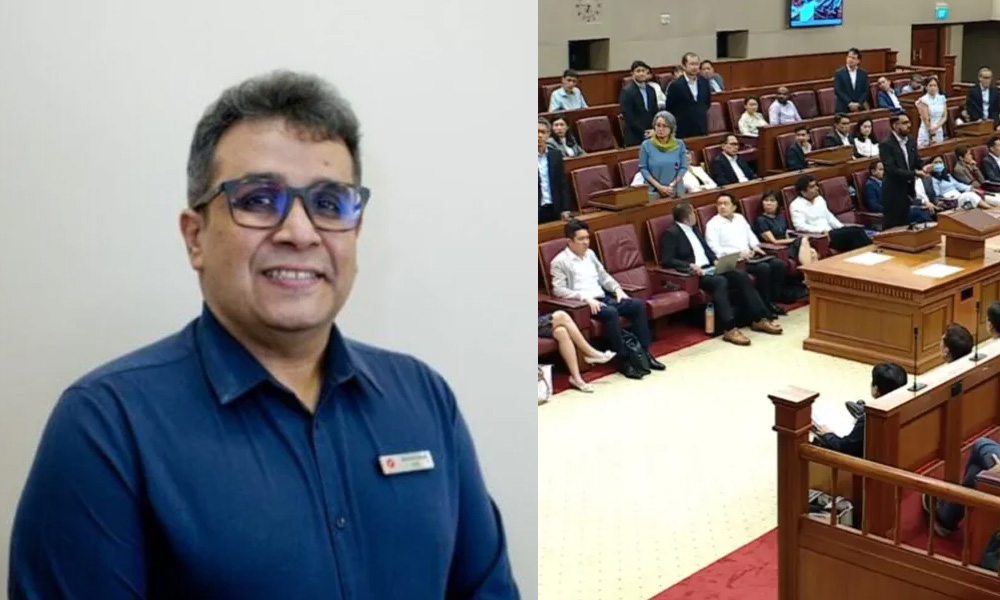

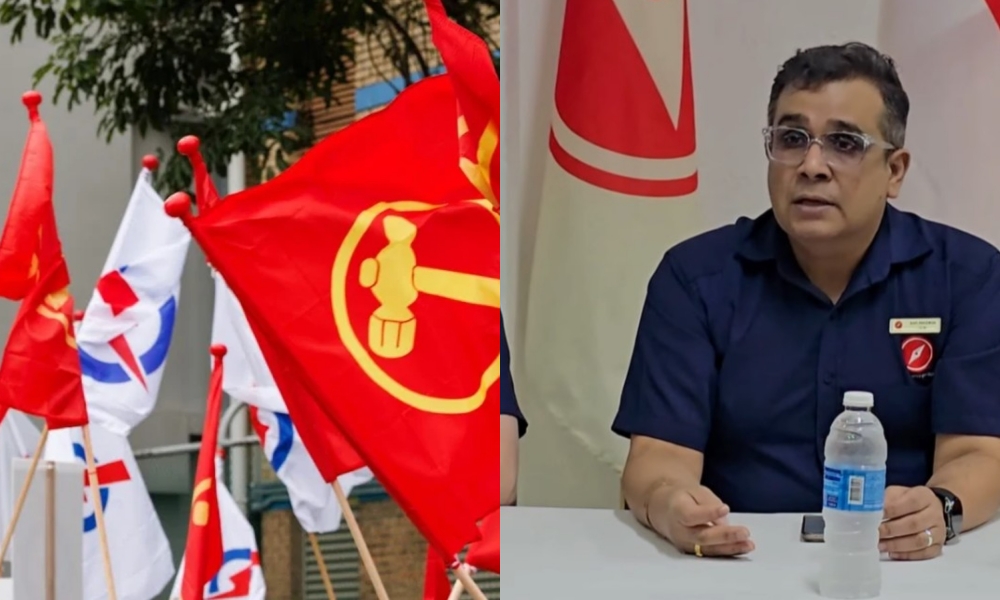
Red Dot United Secretary-General Ravi Philemon has criticised the Prime Minister’s removal of Pritam Singh as Leader of the Opposition (LOO), calling it a “laughing stock of the world” moment that exposes the fragility of Singapore’s political institutions.
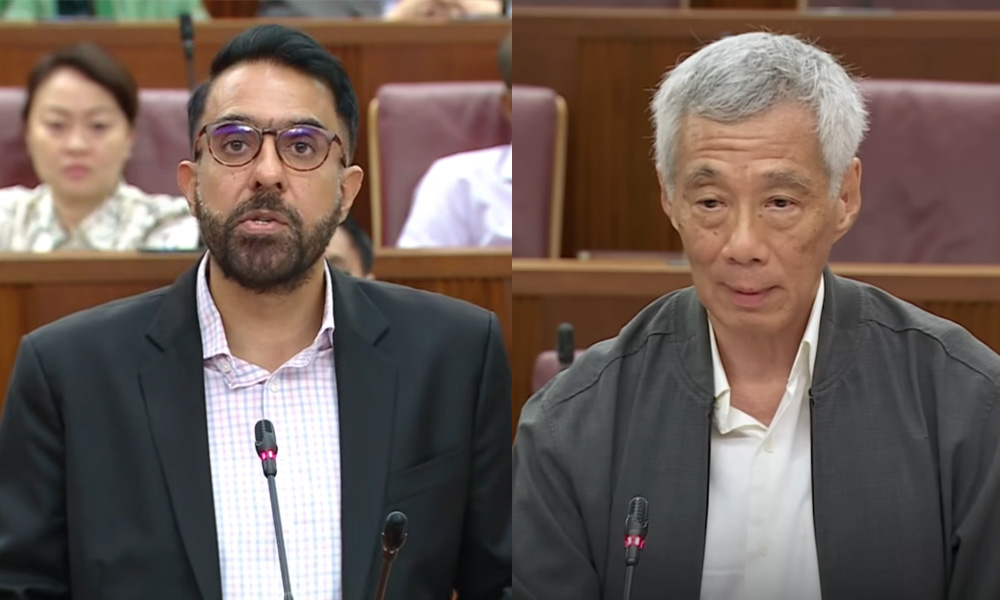
His statement, issued on 16 January 2026, came shortly after Prime Minister Lawrence Wong formally removed Singh from the role, a day after Parliament passed a motion declaring Singh unsuitable to continue. The motion followed Singh’s conviction for lying to a parliamentary committee, which was upheld by the High Court.
Philemon argued that the incident shows how the Leader of the Opposition role in Singapore is not grounded in constitutional or parliamentary safeguards, but instead relies on the discretion of the ruling government. “
PM Wong has sacked Pritam Singh… and in doing so, he has reminded everyone that this ‘office’ ultimately lives or dies at the pleasure of the Prime Minister,” he wrote.
He noted that while the House may debate motions and speak of integrity, the decisive power lies outside of Parliament’s Standing Orders or legal frameworks.
“The title, salary and staff look impressive on paper,” he said, “but they rest on a political decision by the very man the Leader of the Opposition is supposed to check.”
Philemon contrasted this with practices in Westminster parliamentary systems such as the United Kingdom, Australia, and Canada, where the Leader of the Opposition is automatically the leader of the largest non-government party in Parliament. In such systems, the role is neither granted nor revocable by the Prime Minister.
“There is something almost absurd about the spectacle of a Prime Minister sacking the Leader of the Opposition,” he said. “That would be unthinkable in any genuine Westminster democracy.”
He also invoked a historical parallel with former WP leader Low Thia Khiang, who had declined to be labelled the “unofficial Leader of the Opposition,” calling the title “derogatory.” Philemon said Low’s concerns about political tokenism remain relevant today, noting that any role based on executive discretion, rather than institutional authority, is inherently unstable.
Philemon emphasised that while the WP has the right to decide its own course, the removal of Singh exposes the larger democratic issue: “The form of a robust opposition office was created, without its substance.”
He called on the WP to reject any offer to nominate a replacement LOO unless and until the role is formally entrenched in the Standing Orders or Constitution, with protections against unilateral removal.
“The principled response now would be to decline to nominate anyone else,” he said. “Any party that hopes to thrive on crumbs falling from the PAP’s table will never truly be respected by the people.”
The Progress Singapore Party (PSP) also issued a statement criticising the Prime Minister’s discretion over the LOO role. PSP called for the role to be institutionalised and for its selection to be determined by opposition MPs, not by executive decision.
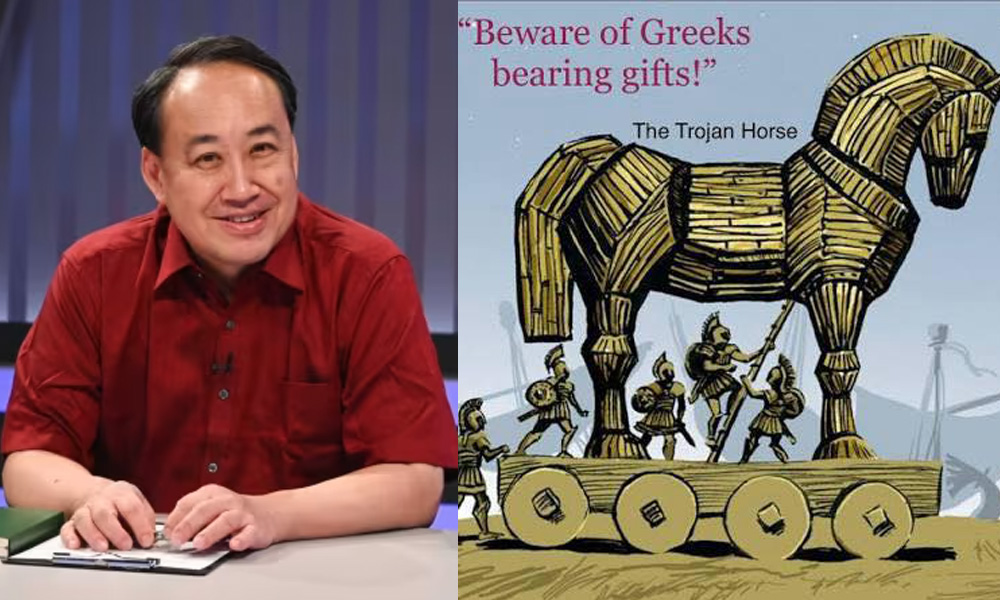
Similarly, Lim Tean, Secretary-General of Peoples’ Voice (PV), condemned the move as a betrayal of democratic principles. He described the role as a “poisoned chalice and a Trojan horse” in the hands of the PAP, and advised the Workers’ Party to reject the appointment altogether.
The Workers’ Party has not yet publicly responded to Prime Minister Wong’s invitation to nominate a replacement. The LOO position was formally created in 2020 after the WP won 10 seats in Parliament, but it has never been enshrined in Singapore’s Constitution or the Standing Orders of Parliament.