Jeannette Chong-Aruldoss mocks electoral boundaries shift as ‘merry-go-round’ without real change
Lawyer and former politician Jeannette Chong-Aruldoss took to Facebook to satirise Singapore’s latest electoral boundary changes. She likened the shifts to a "merry-go-round," arguing they create an illusion of movement but maintain the status quo. While her home remained unchanged for 30 years, she humorously noted being politically moved without explanation. \n \n
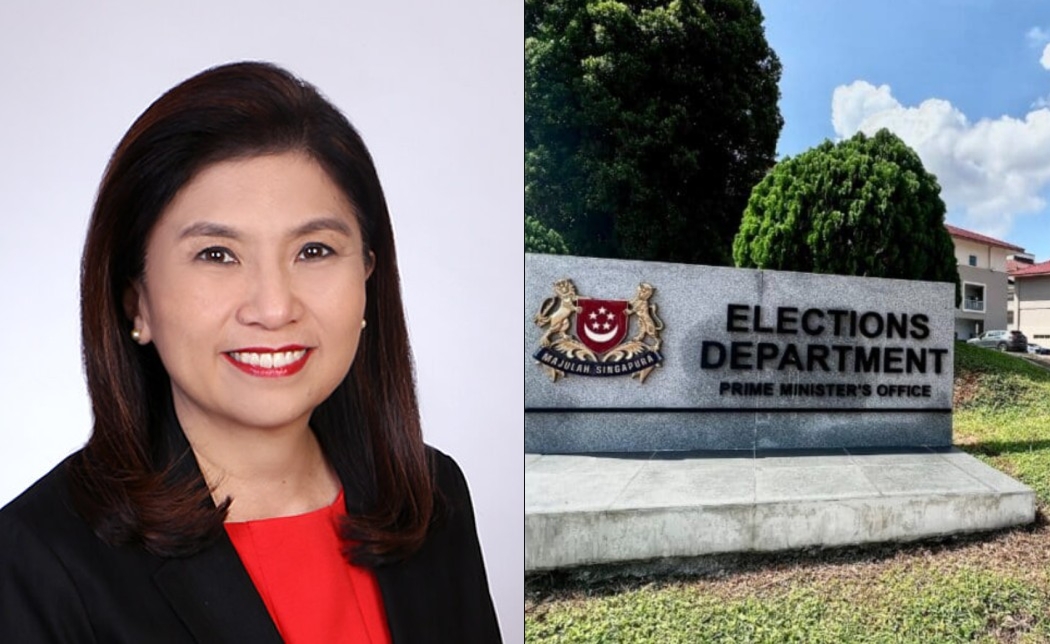

SINGAPORE: Lawyer and former politician Jeannette Chong-Aruldoss recently took to Facebook, using satire and vivid imagery to express her bewilderment over Singapore’s latest electoral boundary changes.
In her post on 11 March, Jeannette, a former member of the Singapore People’s Party (SPP), reflected on how she once lived in Joo Chiat SMC.
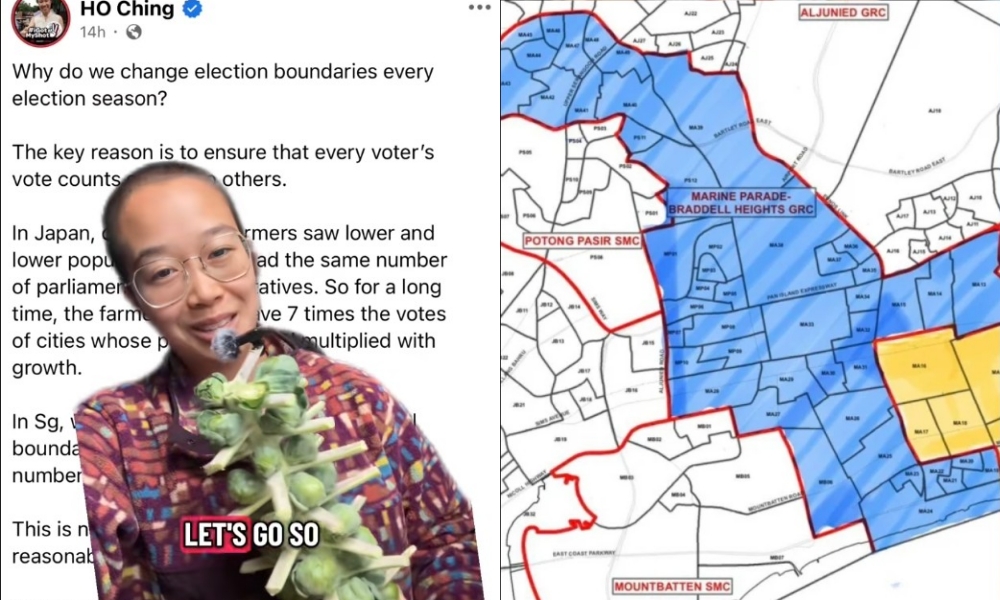
"One day in 2015, in a flash of lightning, Joo Chiat SMC vanished without ceremony, and I found myself living in Marine Parade GRC," she wrote.
"For the next 10 years, I identified as an MParader! I kept up with news and newsletters about Marine Parade. If I met someone living there, I would say, 'Hey, we are neighbours!' and feel a sense of community."
However, following the Electoral Boundaries Review Committee (EBRC)’s report on 11 March, which introduced major changes to Singapore’s electoral map, Jeannette humorously noted that she had been "transported to East Coast GRC" without ever moving.
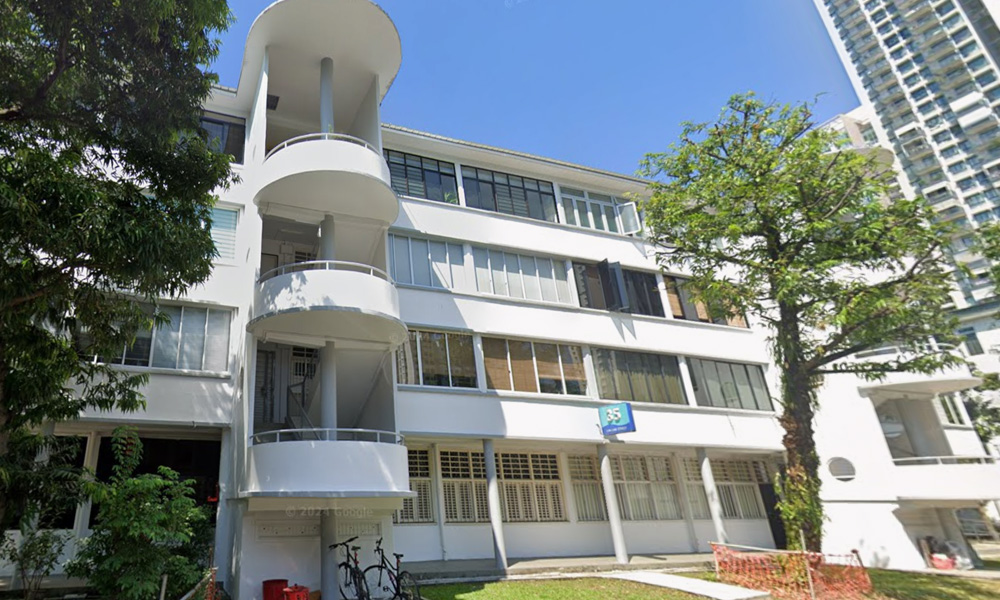
She pointed out the arbitrary nature of the changes, highlighting how, despite her house remaining physically unchanged for 30 years, she has been politically shifted from one place to another.
"Why am I being moved? I don't know. It is beyond my ant-brain to know. The powers-that-be who wield the wand have their reasons. All I know is that I go from here to there, without even moving!"
Referring to ordinary citizens as "ant-brainers," she conveyed a sense of powerlessness, emphasising that residents are merely subject to decisions made by those in authority.
Portraying the redrawing of electoral boundaries as "surreal," she suggested that while it may appear as if residents are being relocated into different constituencies, the changes are ultimately superficial—akin to a merry-go-round that creates the illusion of movement but leads nowhere.
"I imagine that for the gods who wave their wands, it is all par for the course. The illusion of change, but no real change. Status quo," she remarked sarcastically.
Jeannette further suggested that true change should come from substantive political or policy shifts, rather than administrative reshuffling that only gives the appearance of movement without meaningful progress.
Opposition Parties Criticise Electoral Boundary Review for Lack of Transparency
The EBRC report has announced significant changes, with only five GRCs and four SMCs remaining unchanged from the last election.
The total number of constituencies from 31 to 33. There are now 18 GRCs, including five newly established ones.
However, alternative parties have criticised the report for its lack of transparency in the redrawing process.
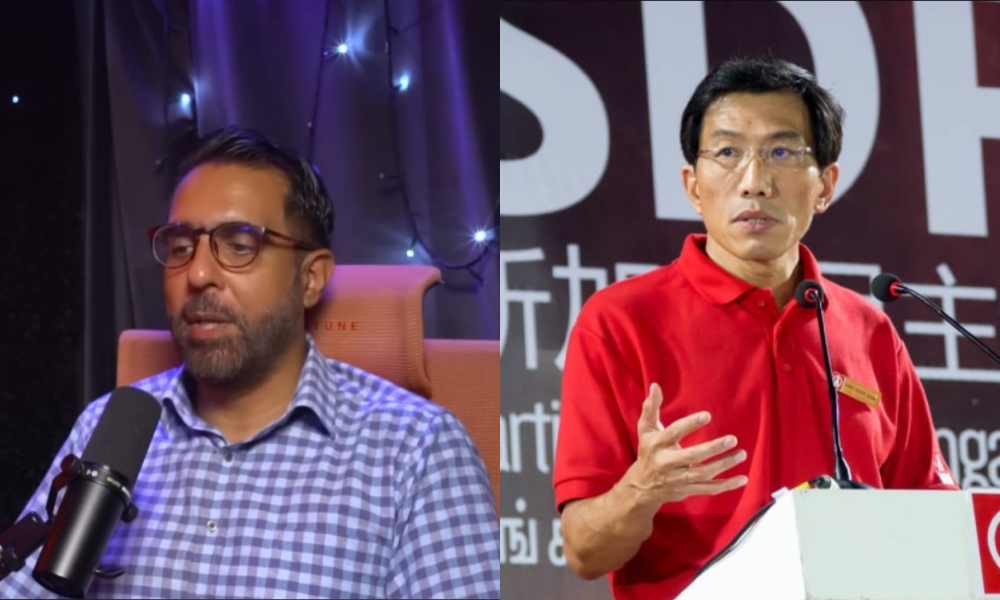
For instance, the Singapore Democratic Party (SDP) has expressed disappointment over the removal of Yuhua SMC and Bukit Batok SMC.
The SDP questioned the timing of these changes, particularly given its recent successful fundraising efforts for Bukit Batok SMC, where it contested in the 2020 General Election.
The Progress Singapore Party (PSP) acknowledged that the EBRC report provided more reasoning behind its decisions than in previous reviews, particularly in 2020.
However, the party argued that the rationale remained insufficient and questioned whether the changes were justified.
The PSP raised concerns about the removal of certain constituencies and the merging of others, particularly in opposition-contested areas.
The party noted that while some adjustments were necessary due to population growth, these could have been made without redrawing so many established electoral divisions.
The PSP believes that much of the EBRC’s decision-making remains unexplained and that population shifts could have been accounted for without making drastic changes to major existing electoral boundaries.