Chan Chun Sing defends EBRC's independence amid questions on transparency
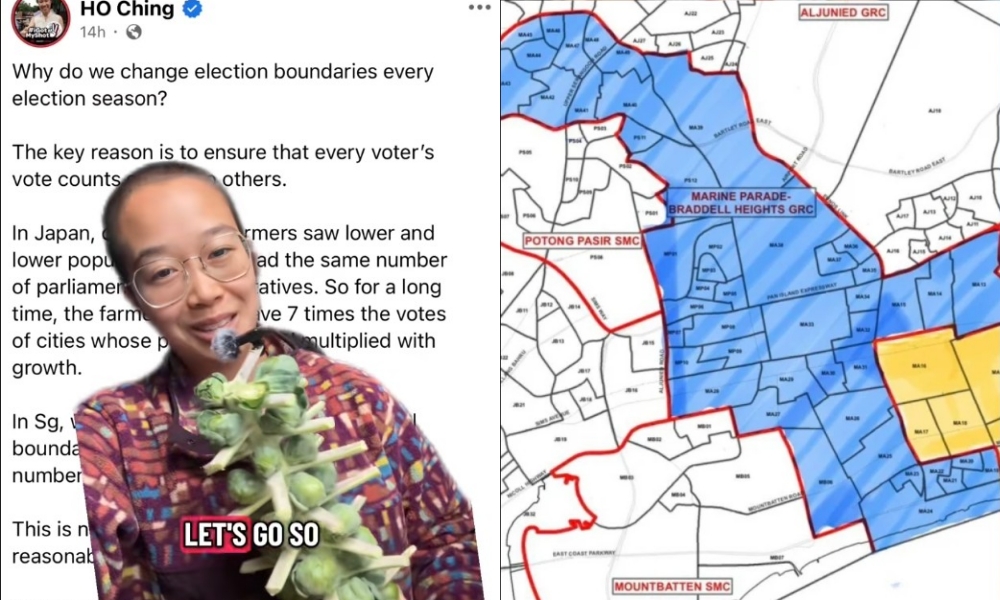
Minister-in-charge of Public Service Chan Chun Sing stressed that the Electoral Boundaries Review Committee (EBRC) must operate independently, free from external instructions that could affect its objectivity. Speaking in Parliament on 28 February, he responded to NCMP Hazel Poa, who questioned why PM Lawrence Wong had not directed the EBRC to provide greater transparency on boundary changes.
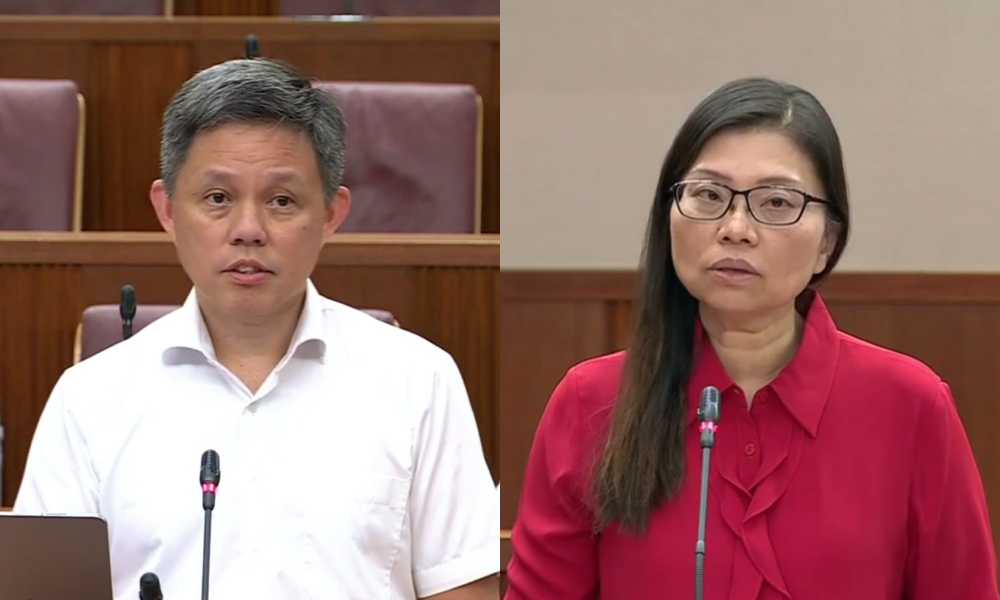

SINGAPORE: Minister-in-charge of Public Service Chan Chun Sing has stated that the Electoral Boundaries Review Committee (EBRC) should be allowed to operate independently, without external instructions that could compromise its objectivity.
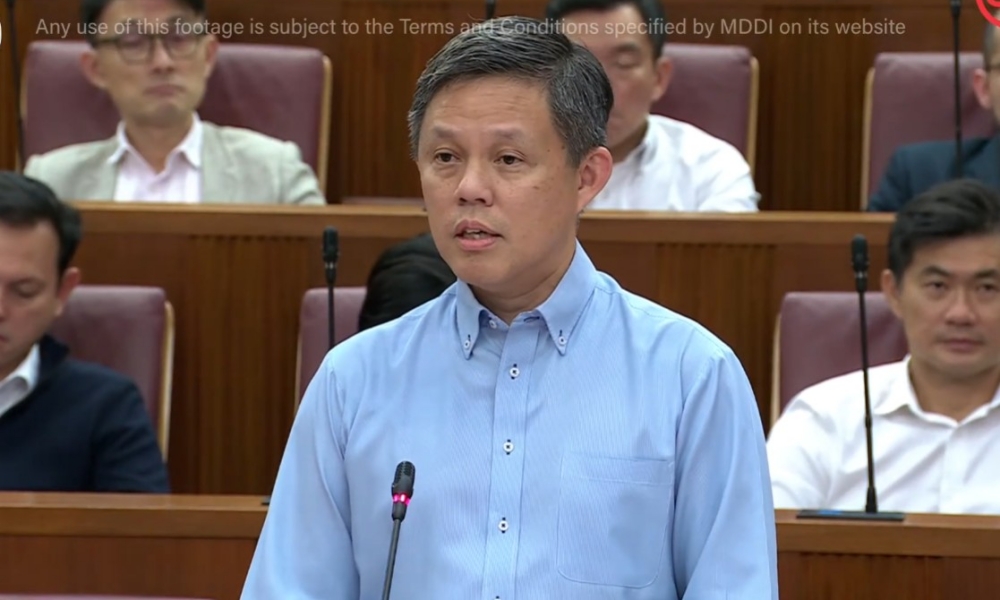
Speaking in Parliament on 28 February during the Committee of Supply 2025 debate, Chan was responding to NCMP Hazel Poa, who questioned why Prime Minister Lawrence Wong had not directed the EBRC to offer greater transparency regarding its decisions on boundary changes.
Call for Greater Transparency in Boundary Changes
Poa pointed out that in the past three elections, the EBRC closely followed the Terms of Reference set by former Prime Minister Lee Hsien Loong in 2011.
These included maintaining at least 12 Single Member Constituencies (SMCs) and progressively reducing the average size of Group Representation Constituencies (GRCs) or increasing the number of SMCs.
However, for the current review, PM Wong instructed the EBRC to keep the average GRC size, the proportion of SMCs, and the ratio of electors to elected MPs at similar levels to the last General Election.
Poa questioned whether this approach served voters’ best interests and asked if PM Wong believed reducing GRC sizes or increasing SMCs would be beneficial.
"Does he not agree that directing the EBRC to provide greater transparency on boundary changes would help build public trust and benefit the country?" she pressed.
Government's Position on EBRC’s Independence
In response, Chan argued that the existing Terms of Reference ensure electoral stability by maintaining a balance between GRCs and SMCs.
He cautioned against continuous reductions in the number of GRCs, which could eventually eliminate them altogether.
Chan also explained that keeping the average number of electors per MP similar to the previous election allows MPs to serve and represent their constituents effectively.
He warned against imposing overly prescriptive instructions on the EBRC.
“Instead, we should give the EBRC—comprising senior civil servants with the relevant professional expertise—the space to conduct its work independently and objectively, without fear or favour,” Chan stated.
When Poa pressed for further clarification, Chan responded, "I’m quite sure the EBRC will explain its thinking in due course."
Background and Upcoming Election Timeline
PM Wong convened the EBRC in January 2025.
Singapore’s voter rolls were open for public inspection from 15 to 28 February.
From 12 to 19 March, a list of claims will be made available for review.
The next General Election must be held by November 2025.