PM Wong defends municipal upgrade allocations, says local MPs can 'make an additional difference'
On 30 April, PM Lawrence Wong said municipal upgrades in opposition wards are due to “queuing and prioritisation”, not political bias. He stressed that MPs can enhance outcomes beyond baseline support. His remarks drew mixed reactions, with calls to assess MPs on both local and parliamentary performance.
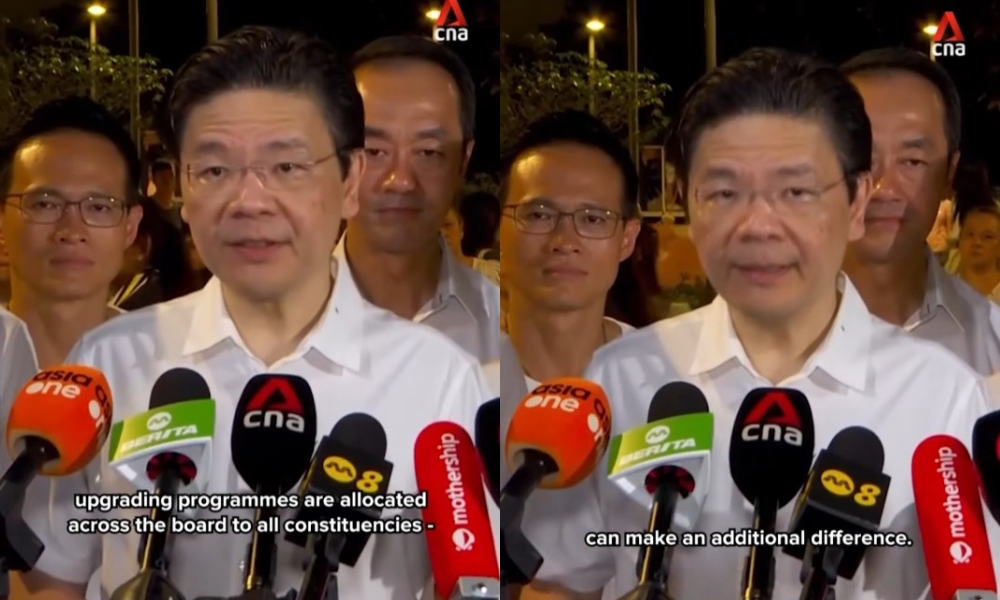

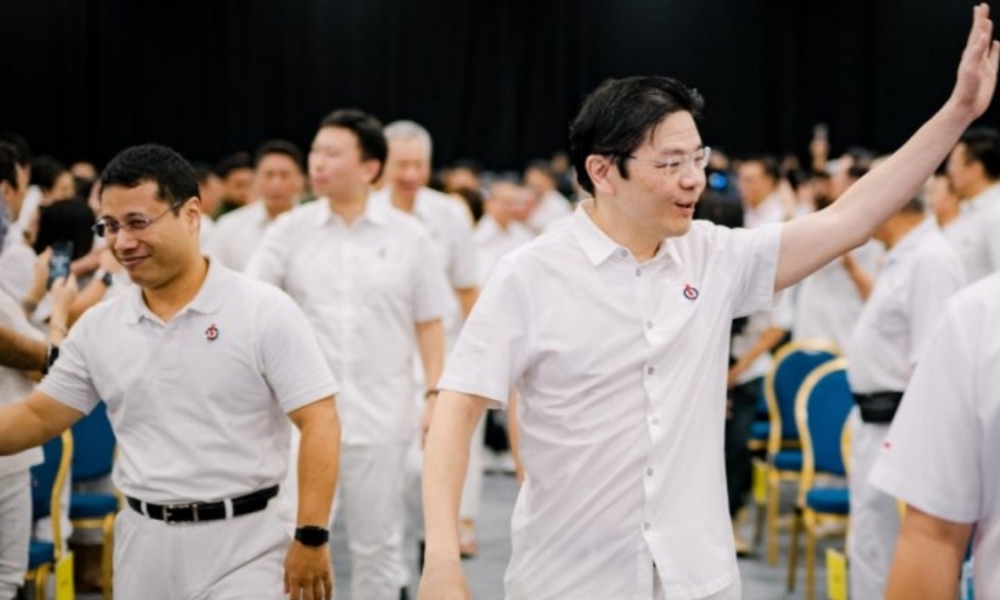
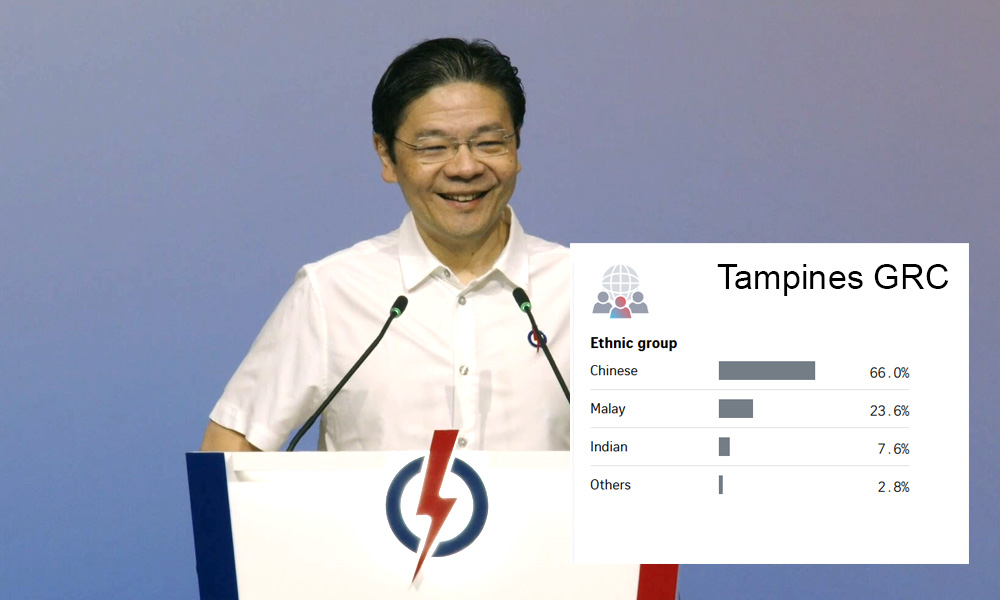
On 30 April 2025, Prime Minister Lawrence Wong defended the government’s approach to municipal upgrading, stating that infrastructure improvements are not withheld from opposition wards but are instead “a matter of queuing and prioritisation”. Speaking to media during a walkabout in Tampines, Wong acknowledged past sentiments suggesting that political support once influenced upgrade timelines. He said, “There was a logic previously that … if you didn’t support the PAP, then you don’t get it earlier than the ones that supported the PAP. That logic, I think, is no longer wearable today.”
‘Local MPs can influence beyond baseline support’
Wong clarified that while upgrading programmes are allocated across all constituencies, the elected Members of Parliament (MPs) can significantly impact the outcome through active involvement and advocacy. “Who represents you in your constituency can make an additional difference,” he said. He explained that the base level of government agency support applies uniformly, but efforts from local MPs help “mobilise resources, come up with innovative solutions, and press for residents’ needs.” The developments in Tampines, he noted, reflected this dynamic. “It goes beyond what government agencies do. It’s also credit to the efforts of the MPs over successive years, working very hard and understanding what the issues are.”Government approach to divisive issues
Wong further defended the People’s Action Party’s (PAP) ethos, saying it seeks to bring Singaporeans together even when dealing with contentious national matters. Citing examples such as the repeal of Section 377A of the Penal Code, the policy change allowing Muslim female healthcare workers to wear the tudung, and national response to the Israel-Hamas conflict, Wong said the PAP government aims to build wide consensus. “That’s the PAP’s DNA,” he said. “We don’t accentuate differences. We don’t exploit them.”Opposition criticises alleged unfair treatment
Wong’s comments followed remarks made by Workers’ Party (WP) secretary-general Pritam Singh during a rally the previous evening. Singh accused the PAP of practising “negative politics” and cited past incidents where opposition wards were allegedly sidelined. He pointed to denied access to community clubs and delays in upgrading programmes as examples. Singh added that these practices have changed over time, not because of goodwill, but because “bullying sticks and disrespectful carrots did not work”. In response, Wong dismissed the notion of negative politicking, saying, “I don’t think we want to see negative politics in Singapore.” He expressed disappointment over what he viewed as personal attacks against Deputy Prime Minister Gan Kim Yong during the WP rally.Calls for transparency and reassurance
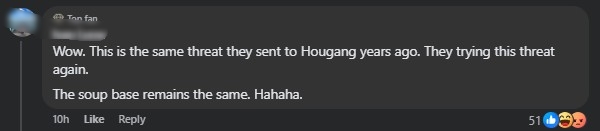
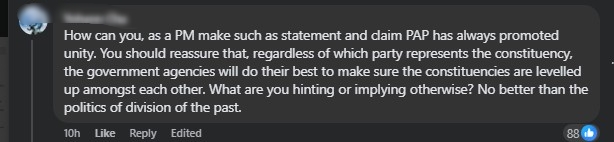
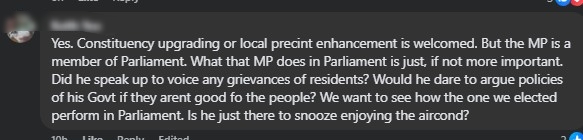
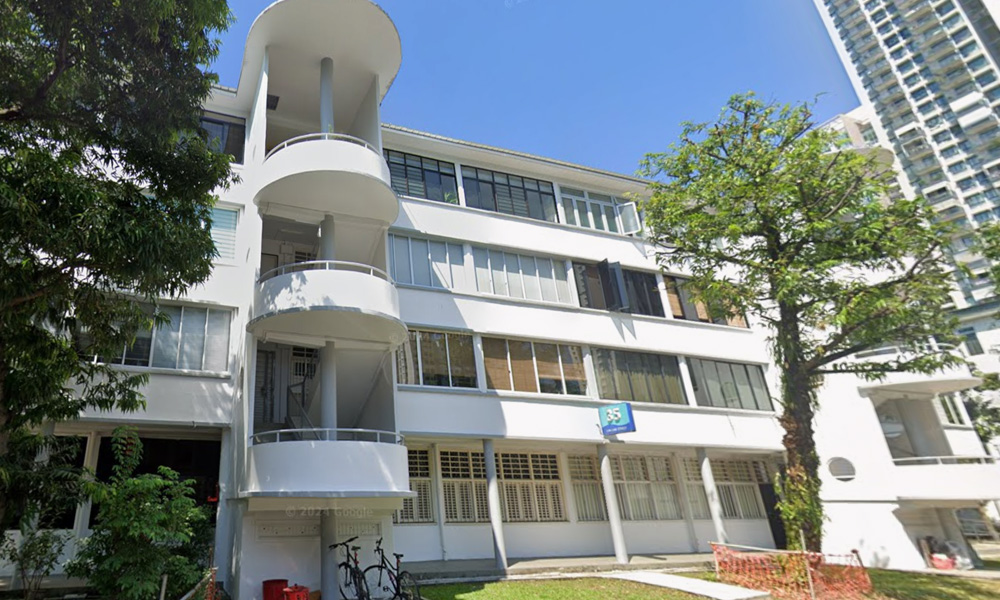
Wong’s comments prompted mixed reactions. Some observers questioned his remarks about prioritisation and political support, suggesting they risk echoing divisive messages of the past, such as those directed at Hougang residents. Others asked what tangible initiatives set Tampines apart, and whether MPs in other PAP wards were underperforming by comparison. One commenter remark, “What exact projects or unique skill set did the MP of Tampines do or own such that their towns are beyond HDB standards?” There were also calls to ensure that all MPs, regardless of party, are held accountable for their parliamentary performance, not just their constituency infrastructure work. “We want to see how the one we elected performs in Parliament,” one voter noted.