Why political parties should embrace multi-cornered fights
As GE2025 nears, opposition parties are negotiating to avoid three-cornered fights. But history shows strong opposition parties shouldn’t fear them—voters consolidate behind credible candidates. Instead of horse-trading with weak parties, WP, PSP, and SDP should just compete and let voters decide.

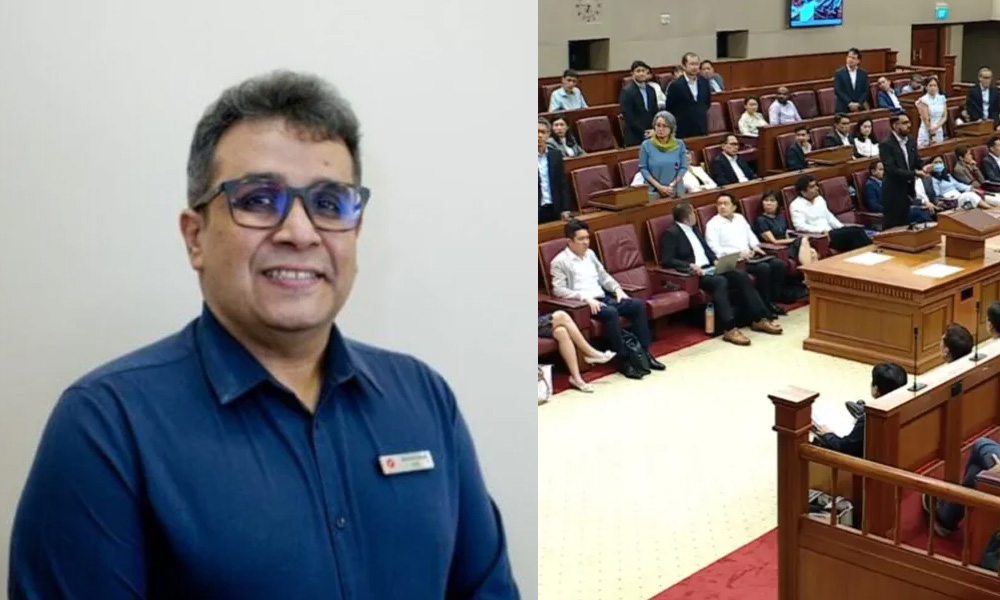
With the release of the Electoral Boundaries Review Committee (EBRC) report, the stage is set for General Election 2025 (GE2025). As the redrawn constituencies take shape, political parties are once again engaging in seat negotiations to avoid three-cornered fights.
The idea that opposition parties must unite against the People’s Action Party (PAP) has long been promoted as an electoral strategy.
However, history shows that multi-cornered fights are not necessarily a disadvantage—in fact, strong opposition parties should embrace them instead of shying away from confrontation, especially against weak or opportunistic opponents.
Weak Parties Are Using Seat Claims as Bargaining Chips
A growing problem in Singapore’s opposition landscape is that smaller, less credible parties are staking claims on constituencies they have never actively worked in.
Parties like the People’s Power Party (PPP) and the National Solidarity Party (NSP) have announced their intention to contest in multiple wards, despite having little to no ground presence in those areas.
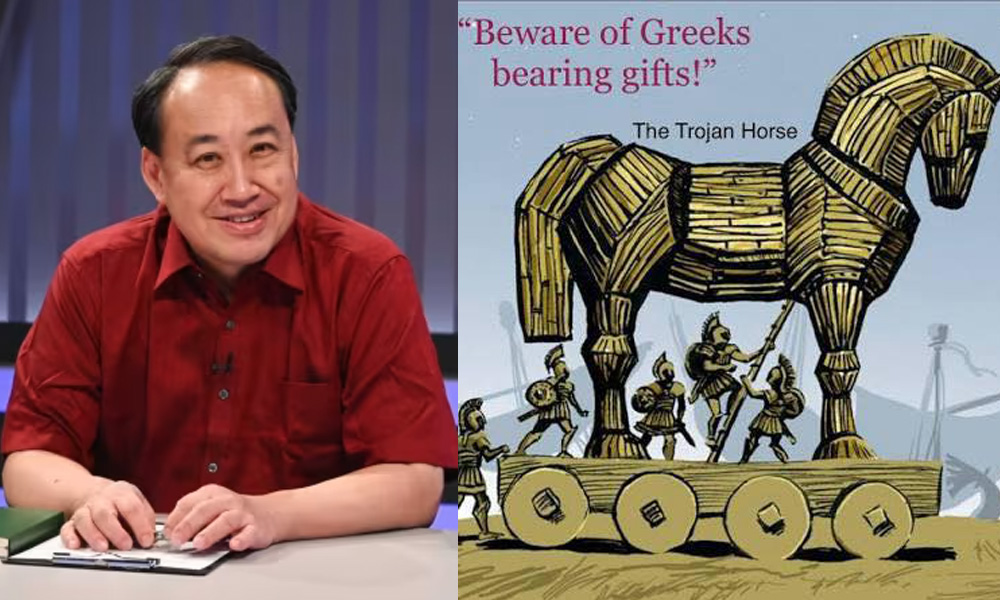
It is highly likely that these parties are merely positioning themselves for horse-trading, hoping to exchange constituencies in order to secure a straight fight with the ruling party in the wards they actually want to contest.
This strategy does not serve voters—it only helps weaker parties leverage themselves into negotiations with stronger opposition parties that have truly built their presence over the years.
Horse-Trading Weakens Stronger Opposition Parties
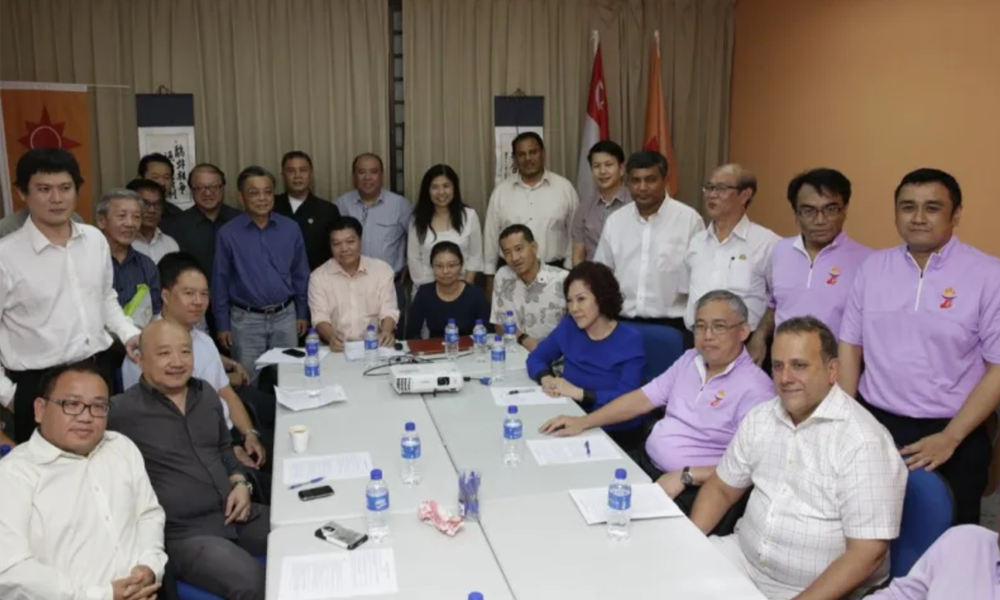
Historically, NSP has been the key driver of opposition horse-trading meetings, often hosting these discussions at its party headquarters, where parties gather to negotiate who will contest where.
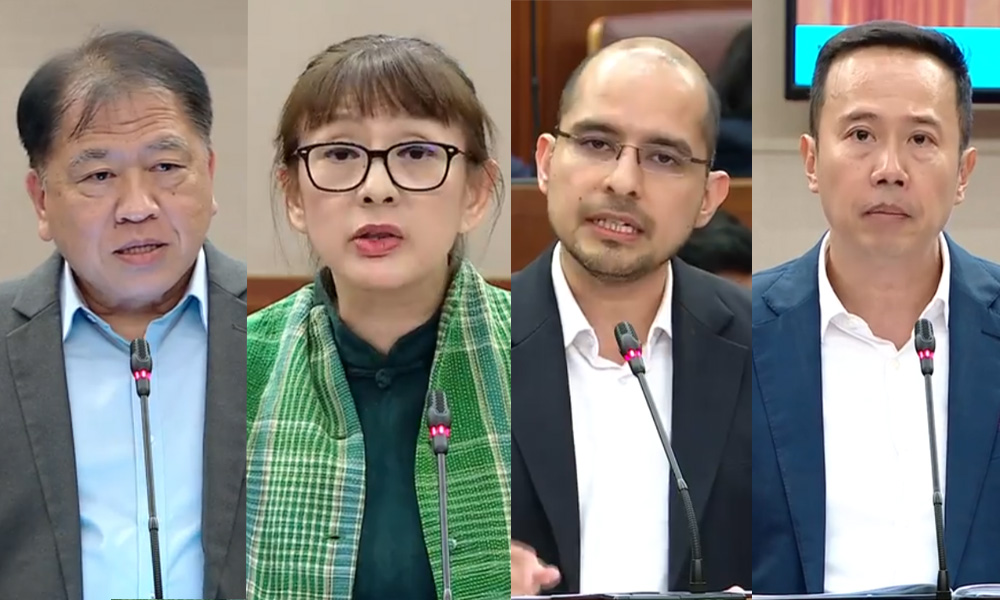
While this might seem like an effort to prevent clashes, it often backfires on stronger opposition parties like the Workers' Party (WP), Progress Singapore Party (PSP), and Singapore Democratic Party (SDP).
Why? Because the mainstream media often portrays these negotiations as if all opposition parties operate as a single unit.
This muddies the waters for voters, making it seem like credible opposition parties are taking the same positions as weaker or less serious ones.
In reality, WP, PSP, and SDP have avoided staking claims in constituencies where the other two have already announced their intent to run—a strategic move that ensures opposition resources are not wasted on internal fights.
These parties should continue to reject horse-trading meetings that lump them together with weaker parties, as it only benefits the PAP.
Historical Precedent: Multi-Cornered Fights Did Not Prevent Strong Opposition Wins
The claim that opposition parties must always avoid multi-cornered fights to win seats is not historically accurate.
Across different periods in Singapore’s electoral history, strong opposition candidates have prevailed even in contests with multiple opponents—as long as voters perceive them as the most credible alternative to the PAP.
A key example is the 1963 Legislative Assembly Election, where Singapore saw multiple four-cornered fights—yet, Barisan Sosialis still won several seats despite the PAP government’s advantage.
One example of this was in Bukit Panjang, where Barisan candidate Ong Lian Teng won with 46.5% of the vote despite facing three other opponents, including:
- PAP’s Lee Khoon Choy (40.4%)
- Singapore Alliance’s Loo Bah Chit (8.2%)
- United People's Party’s Thuan Paik Phok (5.0%)
This was especially significant because it happened despite "Operation Coldstore" on 2 February 1963, where the PAP government detained several senior Barisan leaders, including Lim Chin Siong.
Even with these mass arrests, Barisan Sosialis still managed to defeat PAP in several seats, proving that strong opposition candidates can win even in a fragmented contest.
Additionally, Ong Lian Teng’s victory is particularly notable because he is the father of current PAP Minister Ong Ye Kung.
This detail highlights the political shifts over generations and how Singapore’s electoral landscape has evolved—yet the core lesson from history remains unchanged: multi-cornered fights do not necessarily prevent strong opposition candidates from winning.
Fast forward to the 2013 Punggol East by-election, and the same pattern emerges—WP’s Lee Li Lian won decisively with 54.50% of the vote despite facing three other opponents, including the PAP’s Koh Poh Koon.
Two candidates even lost their election deposits, securing just 1.20% and 0.57% of the vote, showing that voters had no issue consolidating their support behind the strongest opposition choice.
These historical examples debunk the myth that multi-cornered fights always weaken the opposition. Instead, they highlight that as long as there is a clear, strong alternative, voters will rally behind them—regardless of how many other candidates are on the ballot.
On the other hand, multi-cornered fights become a problem only when multiple weak parties contest without clear differentiation.
A prime example was Pasir Ris-Punggol GRC in GE2020, where the Peoples Voice (PV) Party entered a three-way race against the Singapore Democratic Alliance (SDA).
SDA had contested the area since 2006, yet PV, which had little ground presence, ended up pulling votes away from SDA—handing PAP an easy victory.
Did the EBRC Report Engineer Conflict Between Opposition Parties?
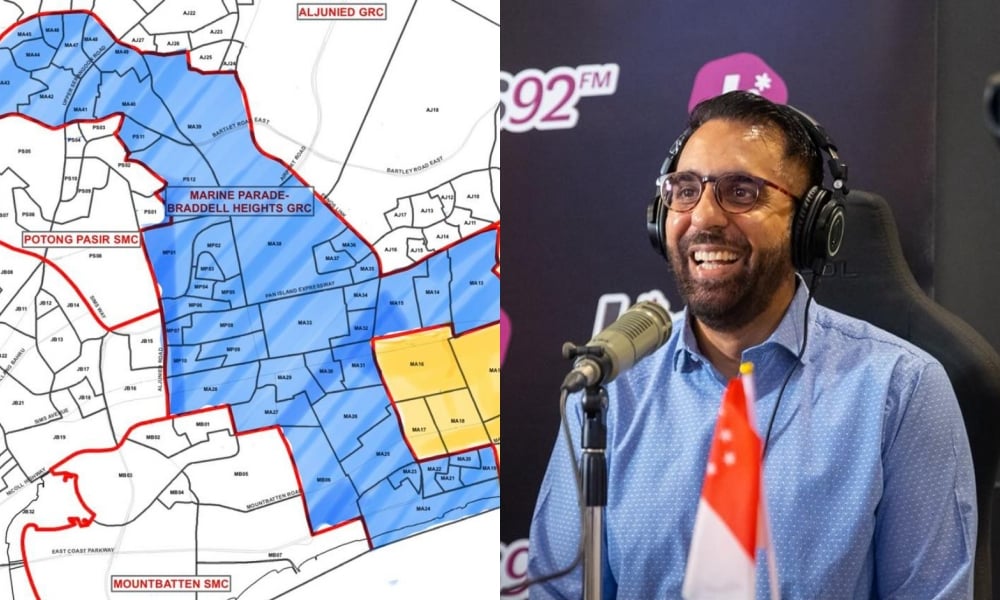
The redrawing of boundaries in multiple EBRC reports over the years has often raised suspicions of changes designed to create conflict between opposition parties, but this has been much more apparent in the latest report.
Many constituencies where opposition parties had gained traction—such as Bukit Batok SMC and Yuhua SMC—were erased and absorbed into larger GRCs, which are likely to be contested by other political parties, disrupting the work that parties like SDP had done.
In other cases, constituencies that saw close opposition contests were cut in half or merged with new areas, forcing opposition parties into electoral dilemmas.
Whether intentional or not, the EBRC's redrawing of certain constituencies has forced opposition parties into difficult decisions, creating the very conflicts that weaken their ability to challenge the PAP.
Not All Opposition Parties Are Equal—And Voters Must Recognise This
While many voters call for a united opposition front, they must also realise that not all opposition parties are the same.
Their values, capabilities, and the calibre of candidates differ greatly—and for Singapore’s future, the right candidates must be voted in.
For example, Dr Tan Cheng Bock—while serving as a PAP MP—stood his ground to oppose the Nominated MP (NMP) scheme, proving that it is not just about party affiliation, but the individual’s principles and leadership.
This is why opposition parties should not simply "unite for the sake of unity."
Instead, parties should compete when necessary, prove their credibility, and let voters decide who deserves a place in Parliament.
Strong Opposition Should Not Fear Multi-Cornered Fights
The fear of three-cornered fights is overblown. History shows that when a strong opposition candidate enters the race, voters will consolidate around them.
Meanwhile, weak or opportunistic parties only serve to disrupt opposition progress by making unnecessary seat claims and engaging in horse-trading.
Instead of shying away from competition, opposition parties should embrace multi-cornered fights to expose weak contenders and build real credibility.
After all, elections should not be about securing backroom deals—they should be about winning the trust and support of voters.
Why should voters be forced to choose a weak, fly-by-night party just because opposition parties feel pressured to avoid multi-cornered fights?
A true democracy means real competition—not just staged straight fights that give weak parties undeserved legitimacy.