People's Power Party eyes five constituencies in GE2025, faces potential multi-cornered fights
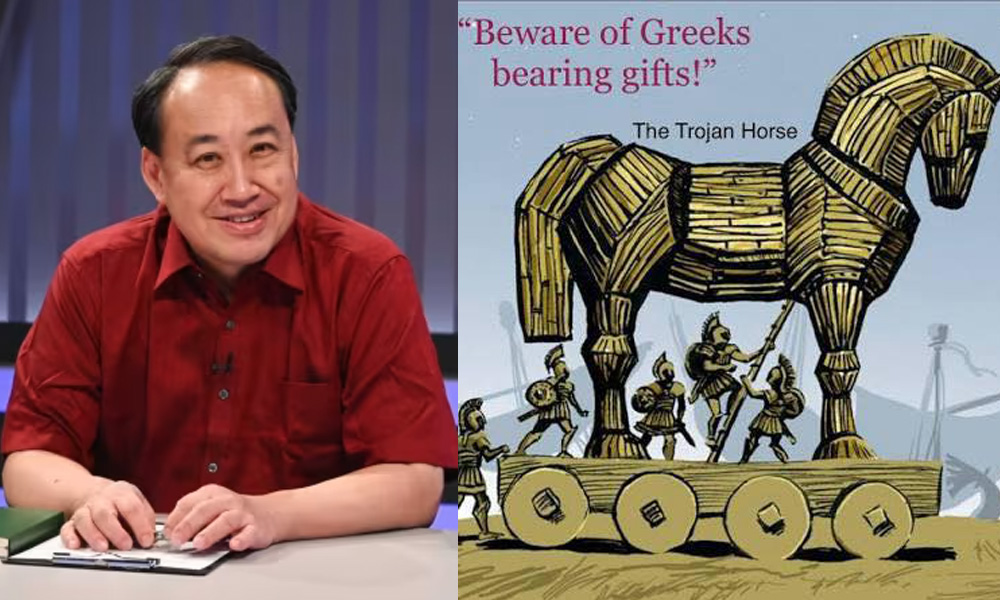
The People’s Power Party (PPP) has announced its plans to contest five constituencies in the upcoming general election, while also criticising the latest Electoral Boundaries Committee report as "massive gerrymandering."
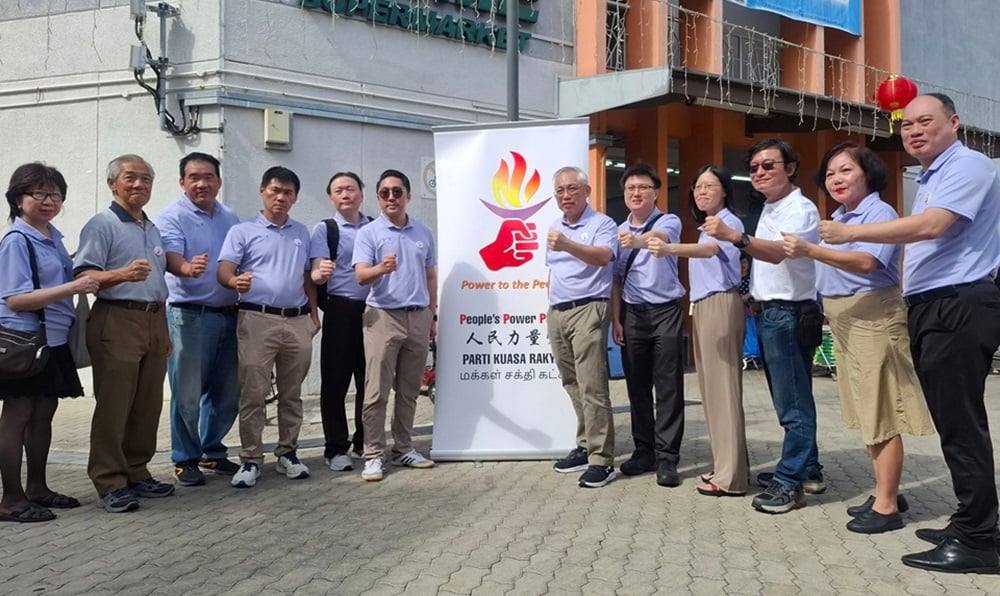

The People's Power Party (PPP) has announced its intention to contest five constituencies in the upcoming General Election, while also criticising the Electoral Boundaries Review Committee (EBRC) report for favouring the ruling People’s Action Party (PAP).
In a Facebook post on 11 March, PPP Secretary-General Goh Meng Seng acknowledged that the changes did not significantly affect the constituencies his party planned to contest. However, he argued that the revisions would disrupt Town Council management and disrespect voters.
Describing the boundary changes as “massive gerrymandering in plain sight,” Goh accused the EBRC of skewing the electoral map to protect the PAP’s interests.
Although the constituencies which the People’s Power Party intended to contest do not have major changes, we are disappointed with the Electoral Boundary Committee’s report, which is apparently skewed to protect the People’s Action Party’s electoral interests," he stated.
"This is really unhealthy for democratic development, disruptive and wasteful of resources in reorganising Town Councils, and disrespectful to Singaporeans at large," he added.
Goh Meng Seng reverses 2020 pledge not to contest again
On 27 June 2020, during a walkabout in MacPherson SMC, Goh declared that GE2020 would be his final election, stating that he had contributed enough to opposition politics.
In that election, he ran against PAP’s Tin Pei Ling, securing 28.26% of the vote compared to Tin’s 71.74%.
However, just five years later, Goh has reversed his stance, confirming his decision to contest GE2025.
In any case, PPP said that it will contest in the following constituencies:
- Tampines GRC
- Tampines Changkat SMC
- Nee Soon GRC
- Ang Mo Kio GRC
- Jalan Kayu SMC
The party could potentially face multi-cornered fights with other opposition parties in the upcoming GE.
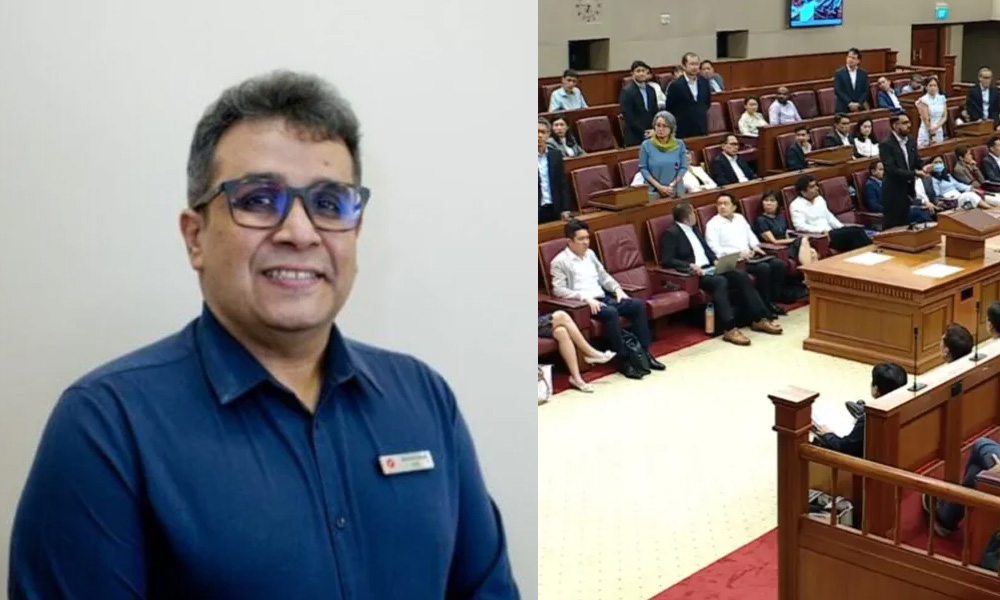
For instance, Red Dot United (RDU) said it was planning to contest in Nee Soon GRC and Jalan Kayu SMC, while the Workers' Party has been walking the ground at Tampines GRC.
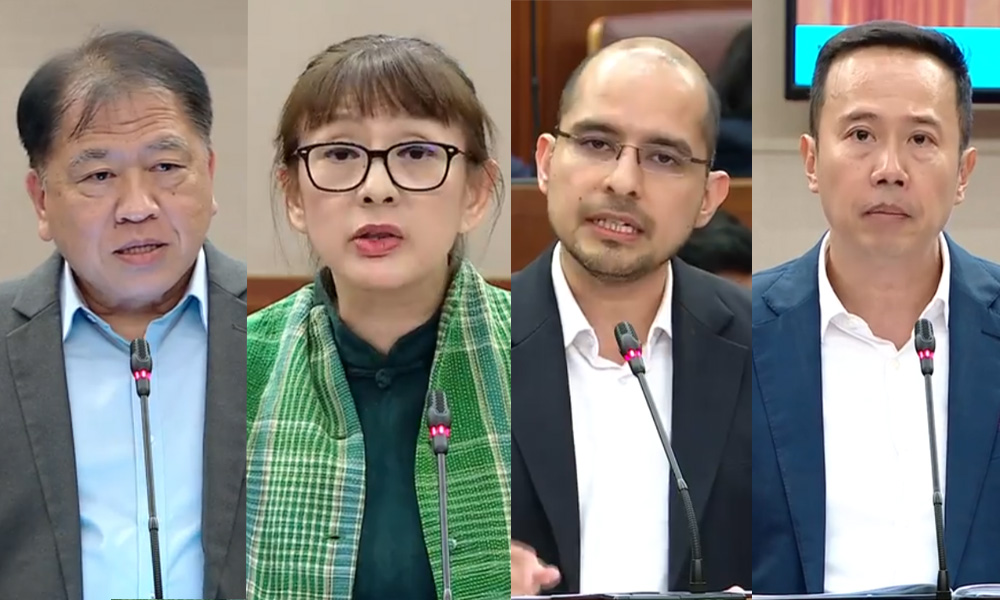
Just last month, PPP withdrew from the People's Alliance for Reform (PAR)—a four-party alliance with the Peoples Voice (PV), the Reform Party (RP), and the Democratic Progressive Party (DPP)--citing strategic differences with other parties.
The party’s announcement of where it intends to contest comes amid growing concerns among opposition parties about the transparency of the electoral boundary review process.
While the government states that the EBRC makes decisions based on population shifts and urban planning needs, opposition parties argue that the changes often work to the PAP’s advantage.
The EBRC’s report, released on 11 March 2025, introduced significant changes ahead of GE2025.
The total number of constituencies has increased from 31 to 33, with 18 GRCs and 15 SMCs.
Five new GRCs and six new SMCs have been created, reflecting population growth and urban development.
The next parliament will have 97 elected Members of Parliament (MPs), up from 93, with each MP representing 28,384 voters—slightly fewer than in the previous election.
Singapore must hold its next General Election by November 2025, in accordance with the country's electoral timeline.
However, Prime Minister Lawrence Wong has the authority to call for an earlier election, with many speculating that it could take place in May.