Budget 2025: Singapore to study potential for nuclear power deployment
Prime Minister Lawrence Wong announced that Singapore will explore the potential deployment of nuclear energy to address growing energy demands and reduce carbon emissions. The government is also investing S$5 billion into the Future Energy Fund to support clean power initiatives.
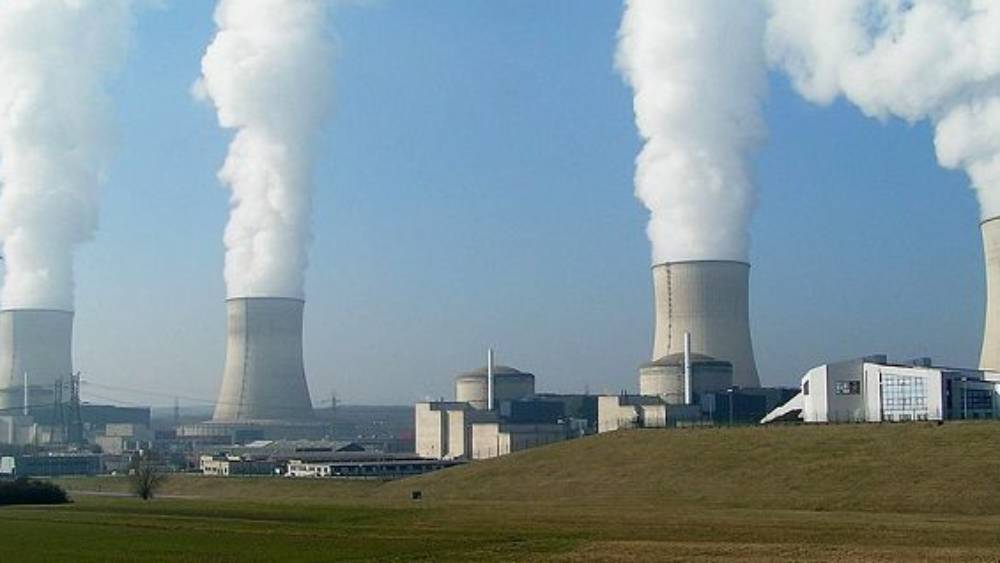

SINGAPORE: Singapore is exploring the potential deployment of nuclear power as part of its strategy to meet increasing energy demands and reduce carbon emissions.
Prime Minister Lawrence Wong announced on 18 February that the Republic will assess the viability of nuclear energy and develop capabilities to evaluate its options in a safe and cost-effective manner.
This decision comes amid growing regional interest in nuclear power, with countries such as Malaysia and Indonesia already operating research reactors.
Wong noted that nuclear safety will be an important consideration as the region’s interest in nuclear energy rises.
He highlighted that Singapore needs new capabilities to assess and implement nuclear energy solutions, ensuring they align with the country’s stringent safety and environmental standards.
In his Budget speech, Wong revealed that the government will inject an additional $5 billion into the Future Energy Fund, bringing the total investment to $10 billion.
This fund is aimed at supporting the development of clean energy technologies, including nuclear, hydrogen, and electricity imports.
Wong stressed that Singapore must make significant investments in new infrastructure to secure its clean energy future.
The Future Energy Fund, which was initially announced in Budget 2024, is designed to catalyse investments into technologies with high upfront costs and substantial commercial and geopolitical risks.
The fund will play a crucial role in addressing the Republic’s energy challenges, similar to how innovations such as Newater helped overcome water scarcity issues in the past.
Balancing Energy Needs and Carbon Emissions
Singapore’s energy needs are expected to grow, especially with the rise of energy-intensive industries such as artificial intelligence, semiconductors, and biopharmaceuticals.
To meet these demands while reducing carbon emissions, Wong emphasised that expanding access to clean energy is a national priority.
The Republic is considering nuclear energy as one of several low-carbon options, given its limited access to renewable resources like hydro, wind, or solar power.
Currently, natural gas accounts for approximately 95 per cent of Singapore’s energy needs, and the power sector contributes 40 per cent of the country’s total emissions.
To achieve its long-term climate target of reaching net-zero emissions by 2050, Singapore must reduce emissions from this sector.
Although Singapore has previously assessed that conventional nuclear technologies were unsuitable for the country, recent advancements in nuclear technology have prompted a re-evaluation.
Wong cited the development of small modular reactors (SMRs), which are more compact, have enhanced safety features, and are suitable for urban environments.
Several SMRs have already been deployed globally, with more expected to be operational by the end of the decade.
Singapore has also taken steps to deepen its understanding of nuclear technology.
In July 2024, the Republic signed the 123 Agreement on Nuclear Cooperation with the United States, allowing Singapore to learn from American expertise in nuclear research.
Wong noted that Singapore is also working on similar agreements with other countries experienced in civilian nuclear power, particularly those involved with SMRs.
Electricity Imports and Hydrogen Exploration
In the near term, Wong highlighted the importance of importing low-carbon electricity from neighbouring countries to green Singapore’s energy mix.
The Republic has already signed agreements with Indonesia, Cambodia, and Vietnam to import 5.6 gigawatts of low-carbon electricity by 2035.
This will largely come from solar, hydropower, and wind sources.
A pilot project expanded in 2024 allows Singapore to import hydropower from Laos via Thailand and Malaysia.
In late 2024, the electricity import capacity from Malaysia will increase from 100 MW to 200 MW.
By 2035, it is expected that about one-third of Singapore’s electricity demand will be met through electricity imports.
Singapore is also exploring the use of low-carbon hydrogen, which does not produce harmful emissions when burned.
However, Wong pointed out the challenges associated with hydrogen production, storage, and transportation, which currently make it difficult to scale up in a commercially viable manner.