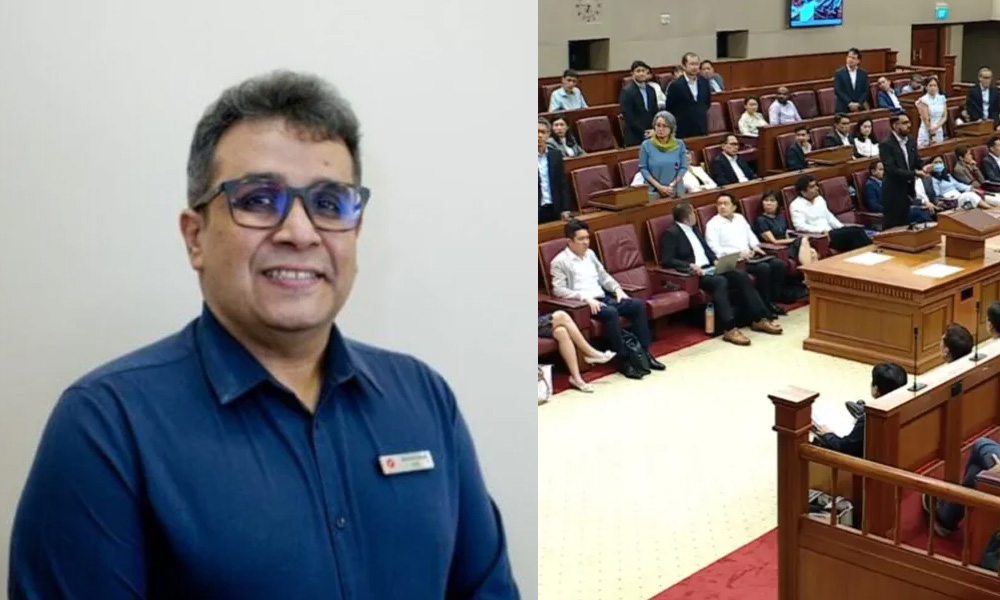
Assoc Prof Jamus Lim calls for needs-based COE discounts; Acting Minister rebuts fairness and feasibility
In Parliament, Workers' Party's MP for Sengkang GRC, Assoc Prof Jamus Lim proposed COE discounts for families, caregivers, and the disabled, arguing for equity in car ownership. Acting Minister Jeffrey Siow responded, defending the current market-based system as fairer and more efficient.
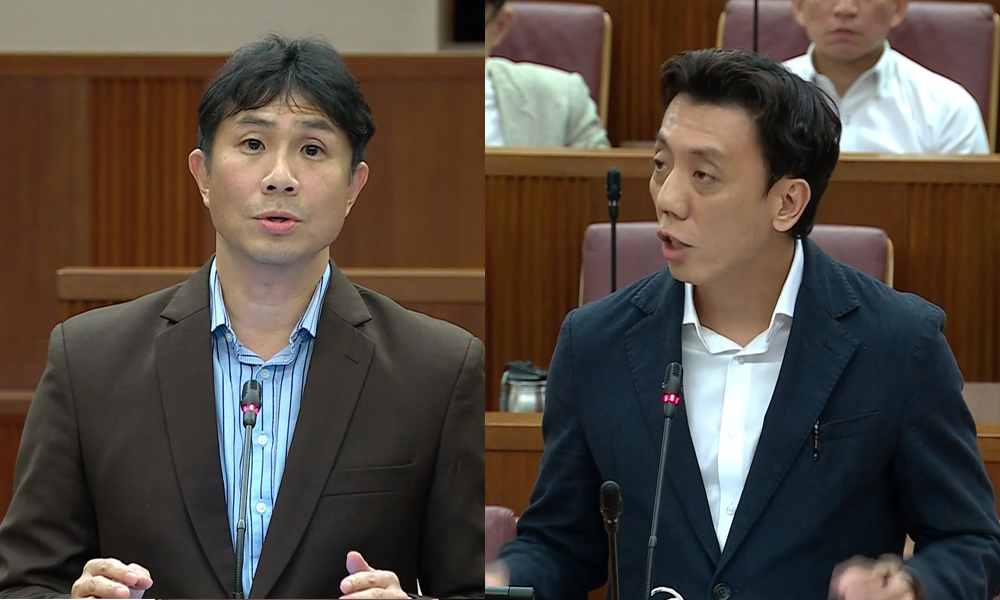

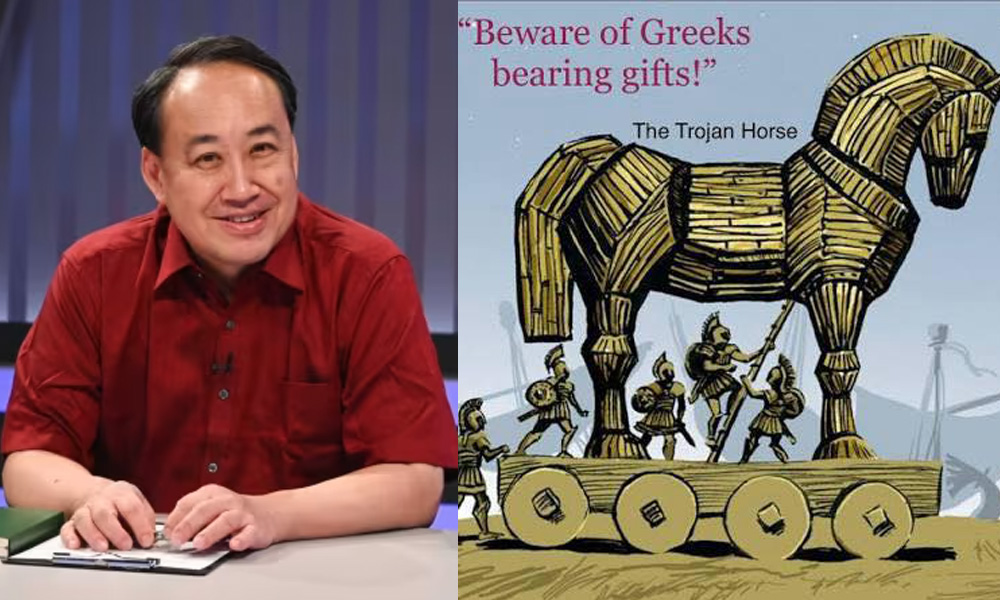
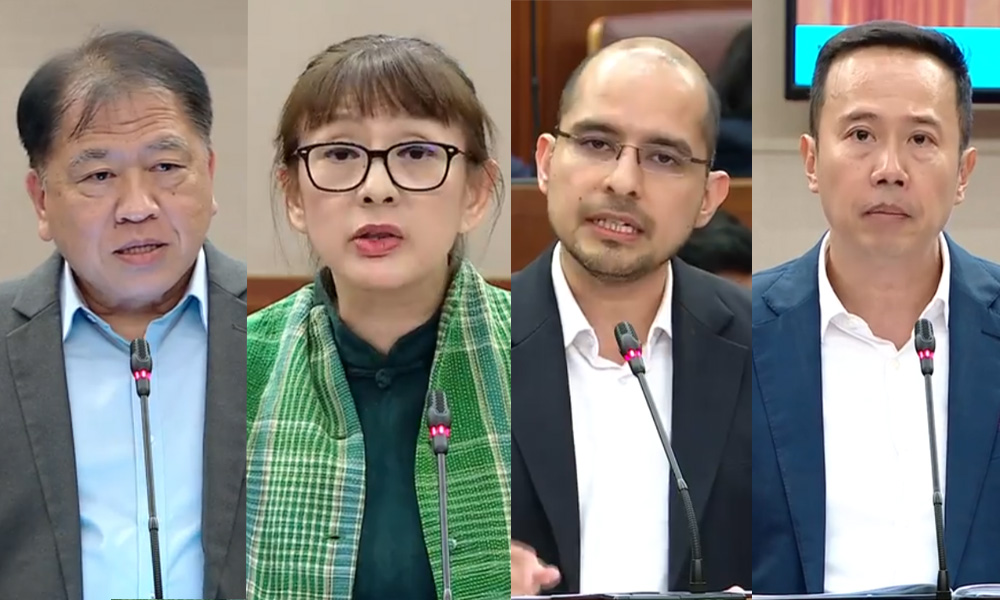
In a Parliament sitting on 22 September 2025, Associate Professor Jamus Lim tabled an adjournment motion titled “Toward Certificate of Entitlement 2.0”, proposing that Singapore’s COE system be refined to incorporate equity alongside efficiency.
The Workers' Party Member of Parliament for Sengkang GRC argued that specific groups—families with young children, caregivers of the elderly, and persons with disabilities—face legitimate transportation needs that cannot always be addressed by public transport alone, and called for targeted COE discounts to help close this accessibility gap.
Acting Minister for Transport and Senior Minister of State for Finance, Jeffrey Siow, responded by defending the existing market-based system as the most transparent and equitable option available, given Singapore’s unique land constraints and public interest priorities.
Proposing a COE system based on need and equity
Assoc Prof Lim began his speech by acknowledging the government’s position on prioritising public transport in a dense, land-scarce city like Singapore.
“It is valuable, at the outset, to stress that I do not differ from the government’s position on prioritising public transport,” he stated, noting that Singapore’s public transport system must remain the cornerstone of intra-city commuting.
However, he challenged the assumption that the market allocation of COEs is inherently fair, particularly when “what is efficient may not always be fair”. He explained:
“Allowing prices to be dictated by the market simply abstracts from need, by allowing money to adjudicate between competing demands. Those with more money will automatically be able to bid more, to secure the limited resource. It is only fair if we believe that the distribution of income and wealth in society is always fair.”
He identified three groups who he said would benefit disproportionately from car ownership:
- Families with two or more young children,
- Caregivers for elderly parents with chronic illnesses, and
- Persons with disabilities.
These groups, he argued, face genuine barriers that public transport cannot always overcome. For example:
“Any parent of a young child—of which I am one—will grasp how gamechanging it is to be able to directly ferry their kids from one supplementary or tuition class to another… Those who have potentially given up their own careers to take care of a parent battling cancer will appreciate the flexibility of more easily bringing their father or mother to their chemotherapy sessions.”
To address these needs, Assoc Prof Lim proposed targeted COE discounts within the existing auction framework, which he described as “a simpler, cleaner approach”. His suggested scheme includes:
- A 100% COE discount for persons with disabilities, extending the current Disabled Persons Scheme.
- A 10% discount per additional child (beyond the first) for families with at least two children under 14.
- A 10% discount for households where a primary caregiver lives with two elderly parents over 80, or one parent with a chronic illness.
He also proposed means testing to ensure the scheme remains fiscally responsible, suggesting it could be limited to households below the median income or exclude the top 20% of earners.
Beyond individual benefits, Assoc Prof Lim argued that such policies would signal societal values:
“Targeted support for car ownership can promote positive behaviours, such as children engaging in caregiving for their elderly father or mother, or time-strapped parents deciding to have their second or third child... It is more than that. Such targeted mechanisms can serve as a signal of the values we place, as a society, on cultural norms such as filial piety, family bonding, and care for the weak and downtrodden.”
Government: Market system is fairest and most effective
In response, Acting Minister Jeffrey Siow thanked Assoc Prof Lim for the motion, but cautioned against shifting the COE system to one based on subjective need.
“The COE system is neither perfect nor popular. But I am glad Associate Professor Lim agrees that there is still a need for a COE system.”
He reiterated the rationale behind Singapore’s vehicle quota framework:
“We do not have enough land for every person, or even every household, to own a car. If every household owns a car, we will have around 1.5 million private cars on our roads, which is more than 2 times the current population.”
“Today, 12% of our land is already occupied by roads. Any additional land take by roads will come at the expense of other meritorious needs—housing, schools, hospitals, community facilities. Things that are good for our people.”
Siow emphasised that public transport remains the central policy focus. COE revenues—averaging between S$4 to S$6 billion annually—are used to subsidise public transport and other national needs such as education and defence. He described this as “the fairest approach because some people don't want to drive, some people are unable to drive, and some people don't want to be burdened by a car loan.”
On fairness and administrative complexity
While recognising that some groups may face real difficulties, Siow argued that implementing a needs-based system poses both fairness and logistical issues.
“What appears deserving to one person might not appear fair to another. E.g. if we subsidise families with children – how many children? How old should the children be? Or if we allocate based on income, we have to decide whether to do household income, or personal income.”
“And then there are the practical considerations: Do we take away the car when the need is gone?”
He added:
“No matter how one draws the line, there will still be people who fall on the wrong side, who believe they are more deserving. And we will still be here, at another Parliament sitting, debating at this late hour, on how each line has been drawn.”
Addressing price concerns and PHC bids
On the topic of rising COE prices, Siow noted that the government had already acted by bringing forward quota supply and introducing a one-off injection of 20,000 COEs, first announced in October 2024. He stated:
“The COE quarterly supply has in fact doubled since 2023. But COE prices have continued to rise because of demand.”
He acknowledged that electric vehicle imports—especially those from China—have lowered vehicle costs, resulting in higher COE bids due to freed-up capital.
In response to suggestions that private hire car (PHC) companies distort COE prices, Siow provided data:
“Less than 10% of bids have been won by car leasing companies this year. Even if we remove all of the PHC bids, the price of the marginal bidders below the clearing price would not be much lower.”
Regarding Assoc Prof Lim’s proposal to move PHC bids to Category E, Siow warned:
“Separate category means we have to take quota away from Cat A and B... Then, what could happen is higher PHC fares and higher rentals for drivers. This will disadvantage Singaporeans who cannot afford a car, and who can only rely on PHCs to get around.”