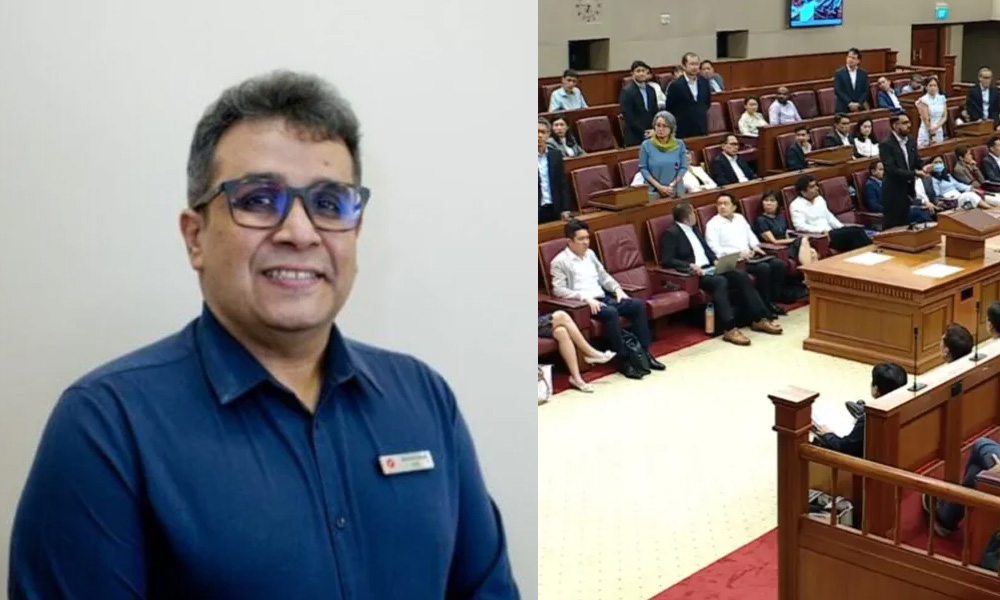
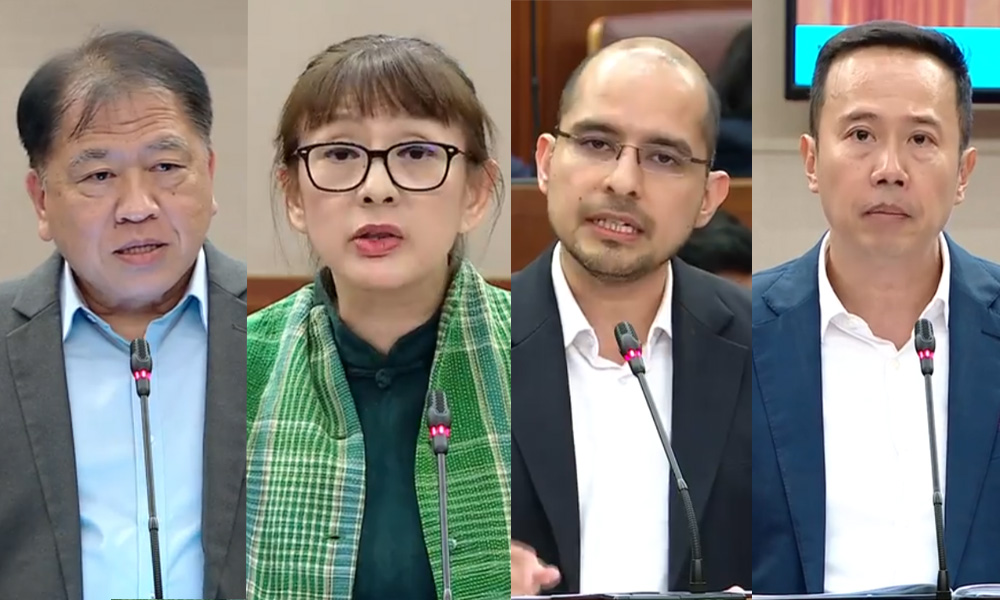
Leong Mun Wai renews call for review of SEHC model after Bukit Canberra dispute
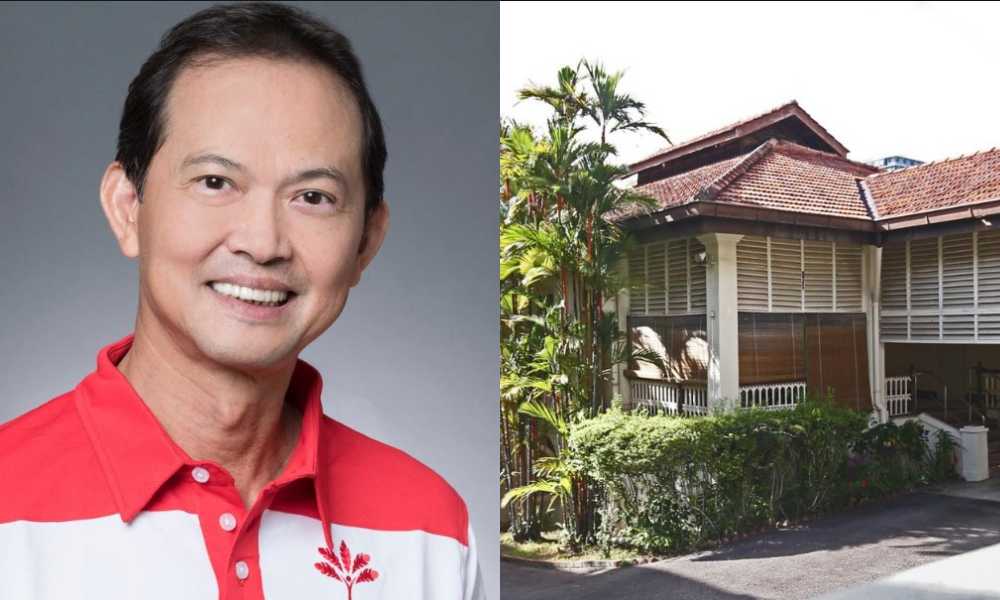
PSP secretary-general and former NCMP Leong Mun Wai, now out of Parliament after GE2025, has urged the government to address unresolved issues over fees and free meal clauses in Socially-Conscious Enterprise Hawker Centres, citing the Bukit Canberra dispute as evidence of systemic problems.
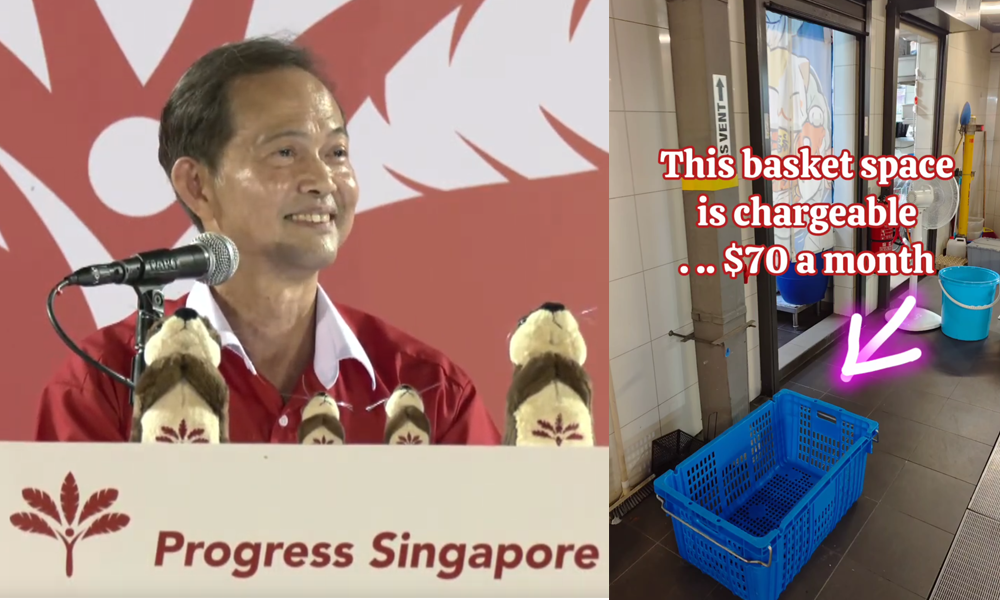

Progress Singapore Party (PSP) secretary-general Leong Mun Wai has renewed calls for a fundamental review of the Socially-Conscious Enterprise Hawker Centre (SEHC) model, pointing to the recent Bukit Canberra dispute as proof that long-debated issues remain unresolved.
Leong, who served as a Non-Constituency MP from 2020 to 2025, entered Parliament after leading PSP’s West Coast GRC team to 48.31% of the vote in the 2020 General Election — the highest result among losing opposition teams. This entitled him to an NCMP seat under Singapore’s electoral rules.
However, in the 2025 General Election, PSP’s West Coast GRC team did not match its earlier performance. With the team again losing to the People’s Action Party (PAP) and falling short of the highest-losing-opposition threshold, Leong did not return to Parliament. He now speaks as party leader outside the House.
“Two key issues”
In a Facebook post on Wednesday, 13 August, Leong said the dispute between hawker advocate KF Seetoh and Health Minister Ong Ye Kung, who is also the Member of Parliament for Sembawang GRC, over storage space charges “should not distract from the real issues.”
He wrote:
“In my opinion, there are two key issues: (1) fees being charged for all kinds of reasons by operators of Socially-Conscious Enterprise Hawker Centres like Bukit Canberra, and (2) the clause in hawkers’ contracts requiring them to provide free meals to low-income residents.”
Leong stressed that both concerns were formally raised in Parliament in November 2024 when he moved a motion on sustaining hawker culture.
That parliamentary motion, amended and passed unanimously, included proposals to phase out the SEHC model and to have government, not hawkers, bear the cost of community meal schemes.
He then posed a direct challenge to the authorities: “Why has the Government not done the necessary reviews to rectify some of the issues we had debated in Parliament? If the reviews were done and changes have been made, why have the same issues been raised again?”
On the issue of fees, Leong said operators continued to impose high charges such as Bukit Canberra’s S$650 monthly table cleaning fee despite customers clearing their own trays.
He questioned whether private SEHC operators were “maximising surpluses or profits” from public assets, which he argued “should be run by the Government solely for the benefit of the people.”
Turning to the free meal clauses, Leong described the current arrangement — where hawkers are expected to supply low-cost or free meals — as “unsustainable” and an unfair shifting of social welfare costs onto stallholders already facing high operating expenses and manpower shortages.
He repeated PSP’s position that the government should directly fund such initiatives, for example by subsidising meals for Pioneer and Merdeka Generation seniors and CHAS cardholders or by providing more CDC vouchers to low-income households.
“Hawkers have provided everyone in Singapore with affordable, good food for decades,” he wrote. “But they should not be asked to provide social welfare as inflation crushes livelihoods.”
Parliamentary debates and past proposals
In the 2024 debate, Leong had highlighted that SEHC hawkers faced a cumulative burden of charges — including table cleaning, dishwashing, service and conservancy (S&CC), and pest control fees — which could total as much as the rent itself.
At that time, he cited Bukit Canberra’s S$650 monthly table cleaning fee as an example, questioning why such a sum was necessary when patrons were expected to clear their own trays.
PSP proposed phasing out the SEHC model altogether, replacing private operators with direct government management to ensure hawker centres were run “solely for the benefit of the people.”
On the free meals issue, Leong argued in Parliament that asking hawkers to shoulder the cost of budget or charity meals amounted to offloading social welfare costs onto small businesses already facing inflationary pressures.
PSP proposed that the government fund food discounts for Pioneer and Merdeka Generation seniors and CHAS cardholders, or expand CDC voucher schemes, instead of mandating hawkers to subsidise meals from their own earnings.
The Bukit Canberra dispute in detail
The current controversy began on 4 August 2025, when Seetoh alleged that hawkers at Bukit Canberra Hawker Centre were charged S$70 per month for using baskets behind their stalls to hold supplier deliveries.
He said the practice applied even for simple overnight deliveries, with charges based on the use of a small 0.48-square-metre space.
Minister Ong responded on 11 August, saying there was “no practice of charging” for using blue baskets temporarily.
On 12 August, Seetoh posted supporting evidence on Facebook, including:
- An invoice showing a S$70 charge labelled “Backyard Cluster” tied to a temporary occupation licence (TOL).
- A WhatsApp exchange with a hawker confirming the fee.
- A rental receipt breakdown showing the same charge.
He argued that operators should charge only for permanent storage units, not for temporary holding of goods.
That same day, Canopy Hawkers Group, which operates Bukit Canberra, told CNA that the S$70 fee applied only to hawkers installing permanent storage fixtures such as cabinets or shelves. Managing director Joey Tan said temporary placement of baskets for overnight deliveries incurred no charge.
Tan added that the storage initiative arose partly from hawkers’ own requests and partly from hygiene concerns, noting that unsecured deliveries could attract pests. The operator emphasised that the scheme was optional and that relevant permits had been secured before installing cabinets.
Renewed focus on free meal clauses
In parallel, Seetoh revisited his criticism of SEHC tenancy clauses requiring hawkers to provide free meals under community schemes.
He cited examples of contracts specifying 30 meals per month under a Customer Relationship Management programme and another 30 under a “Pay-It-Forward” initiative, with the wording “shall” making the clause legally binding.
Seetoh said such clauses could be enforced at any time, creating uncertainty for hawkers. “Charity meals, if voluntary, should not be in the contract,” he wrote.
Minister Ong clarified that the requirement had been revised to 100 meals over a three-year lease, had not yet commenced, and was not subject to penalties. Tan confirmed this and said the aim was to encourage community spirit.
PSP’s continuing stance
Leong said the Bukit Canberra case showed why structural reform of the SEHC model was necessary. He reiterated that hawker centres are public assets and should not be run in a way that maximises surpluses for private operators.
“Hawkers have provided everyone in Singapore with affordable, good food for decades. But they should not be asked to provide social welfare as inflation crushes livelihoods,” he wrote.
He pledged that PSP would continue to speak for hawkers, pressing for a fair and sustainable operating environment that preserves the nation’s hawker heritage.