Leong Mun Wai urges respect for Lee Kuan Yew’s wish and says 38 Oxley Road decision is a national matter
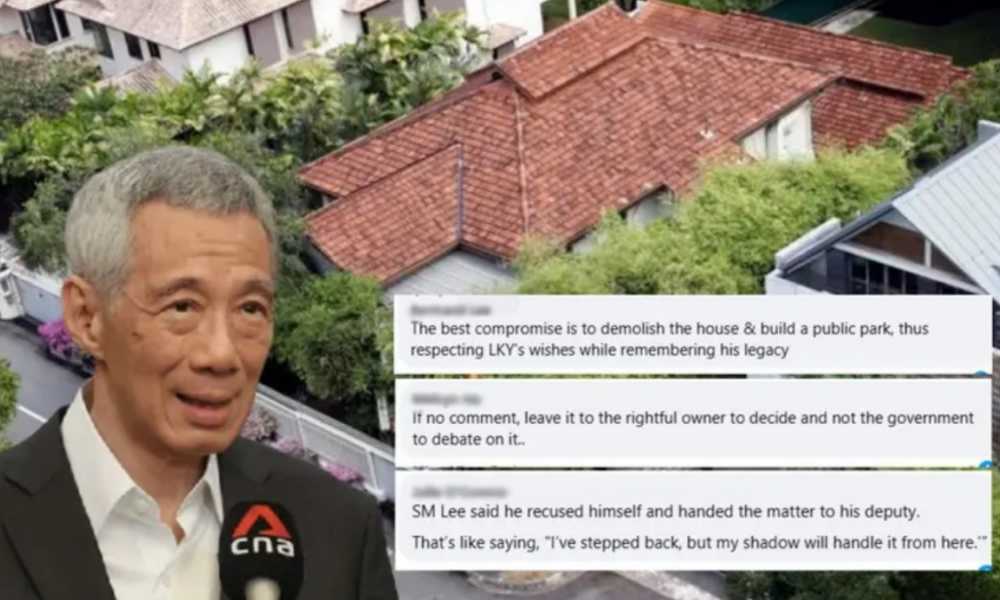
Leong Mun Wai said he disagrees with preserving 38 Oxley Road and believes Lee Kuan Yew’s wish for demolition must be honoured. He called the issue a national one involving values and history, noted existing memorials already honour Singapore’s founders, and highlighted surveys showing most Singaporeans preferred demolition.
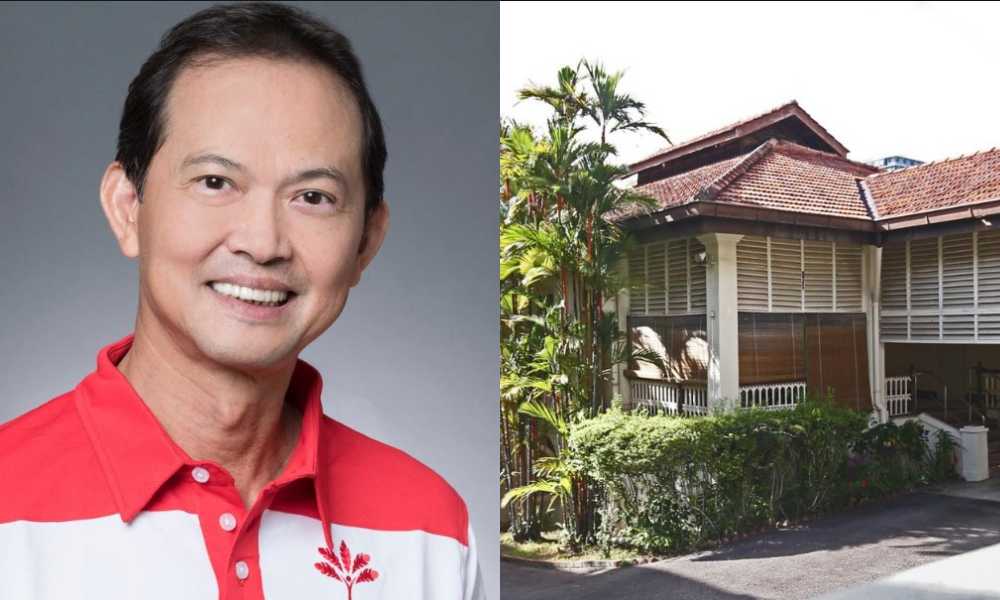

SINGAPORE: Leong Mun Wai, Secretary-General of the Progress Singapore Party (PSP) and former Non-Constituency Member of Parliament, has renewed public debate over the future of 38 Oxley Road.
In a Facebook post on 21 November 2025, he stated that he disagrees with the Government’s decision to preserve the property and hopes the late Lee Kuan Yew’s wish for demolition will still be honoured.
According to Leong, the question is not a private family matter.
He argued that the fate of the house is a national issue that touches on values, history and how Singapore honours its founding leaders.
Leong stated that Lee Kuan Yew had “repeatedly and unequivocally” expressed his desire for the house to be demolished.
He described this as the “most fundamental point” and said that honouring such a wish reflects respect for integrity and pragmatism.
He also noted that Singapore is already investing S$335 million in the Founders’ Memorial.
Other key sites with strong historical links, including City Hall, the Istana and Sri Temasek, have already been preserved.
Leong suggested that national remembrance does not require keeping “every stone” associated with founding leaders.
Instead, he said it requires upholding values such as integrity and practicality.
Citing surveys conducted in 2015 and 2024, Leong added that majorities of Singaporeans polled preferred demolition.
However, he acknowledged that some Singaporeans and the Government take the view that the house should be preserved for its historical value.
Leong said the prolonged dispute has consumed significant public attention and resources.
He referred to earlier assessments by a Ministerial Committee, reviews by the National Heritage Board, a Parliamentary debate in 2017 and litigation involving Lee Kuan Yew’s last will.
He described the years-long controversy as “unfortunate” and added that many Singaporeans wished it had not unfolded.
He also expressed hope that the Lee family would eventually reconcile once the matter is resolved.
WP MP Jamus Lim urges fair solutions for 38 Oxley Rd, warns against state overreach and ‘majority tyranny’
Earlier, on 17 November 2025, Workers’ Party MP Associate Professor Jamus Lim had also commented on the issue.
In a Facebook post, he highlighted the tension between private ownership rights and the Government’s power to take over property.
Lim noted that eminent domain is generally justified only when strong public or efficiency needs exist.
He said the Oxley Road case differs because its value lies largely in intangible historical significance.
He added that the property’s owner had objected to such preservation.
Lim stressed that state institutions must avoid overreach and that any resolution should be fair and balanced.
LHY questions authenticity of Oxley Road basement after 1970s renovation
On 19 November 2025, Lee Hsien Yang told the Financial Times that the bungalow’s basement, central to the preservation plan, was renovated in the 1970s.
He said this undermines claims that the site still reflects the actual room where early political meetings occurred in the 1950s.
LHY argued that the altered basement weakens assertions of authenticity.
He submitted a formal objection, stating that preservation contradicts his father’s clearly articulated wish for demolition.
In a recent public Facebook post, LHY described the issue as one concerning legacy and truth.
He wrote that the Government could honour Lee Kuan Yew by respecting his stated preference or risk creating “a monument to that dishonour”.
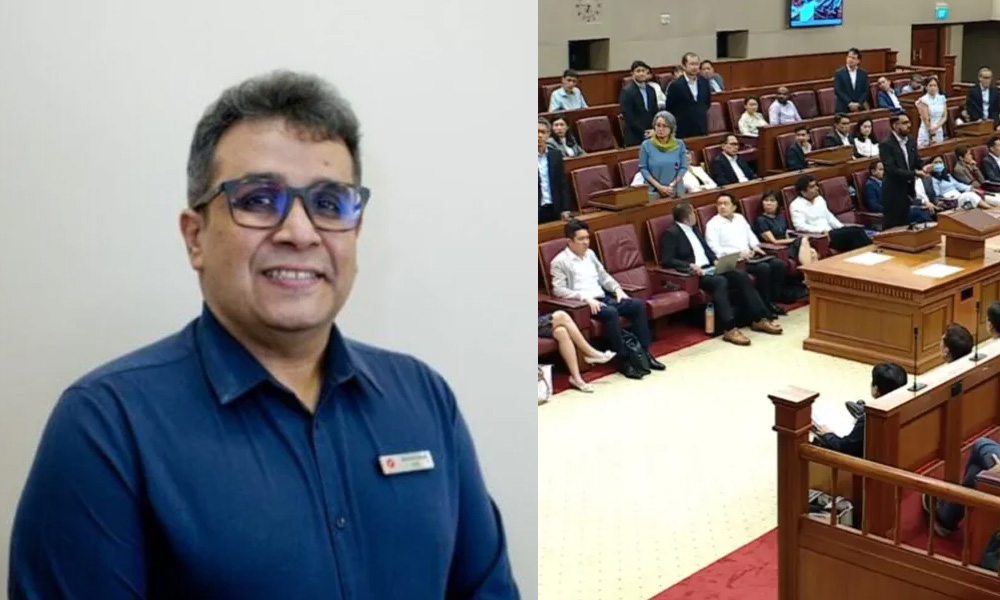
Acting Minister for Culture, Community and Youth David Neo, however, told Parliament on 6 November that the site retains “unique national value”.
He said its significance cannot be replicated elsewhere, even with structural alterations.
Neo argued that preservation supports collective memory and national identity.
He described the chosen course as the “most responsible” way to ensure future generations understand the site’s meaning.