IMDA bans Wild Rice's 'Homepar' performance for undermining anti-drug policy and CNB
Wild Rice's planned performance of Homepar was disallowed by IMDA over concerns that a revised script glamorised drug use and portrayed CNB officers unfavourably, potentially breaching content codes. Wild Rice declined to revert to an earlier version previously approved for staging.
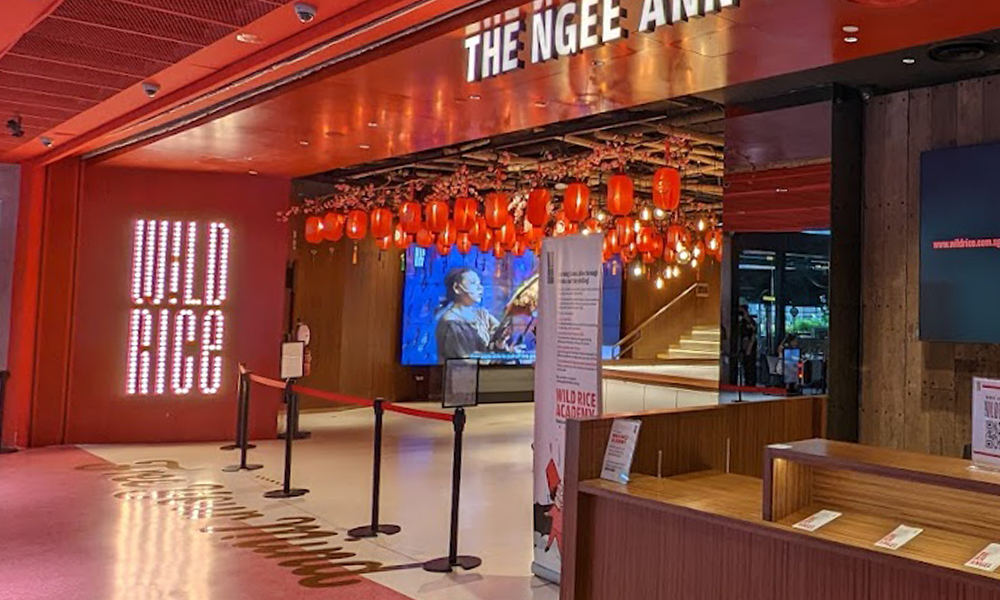

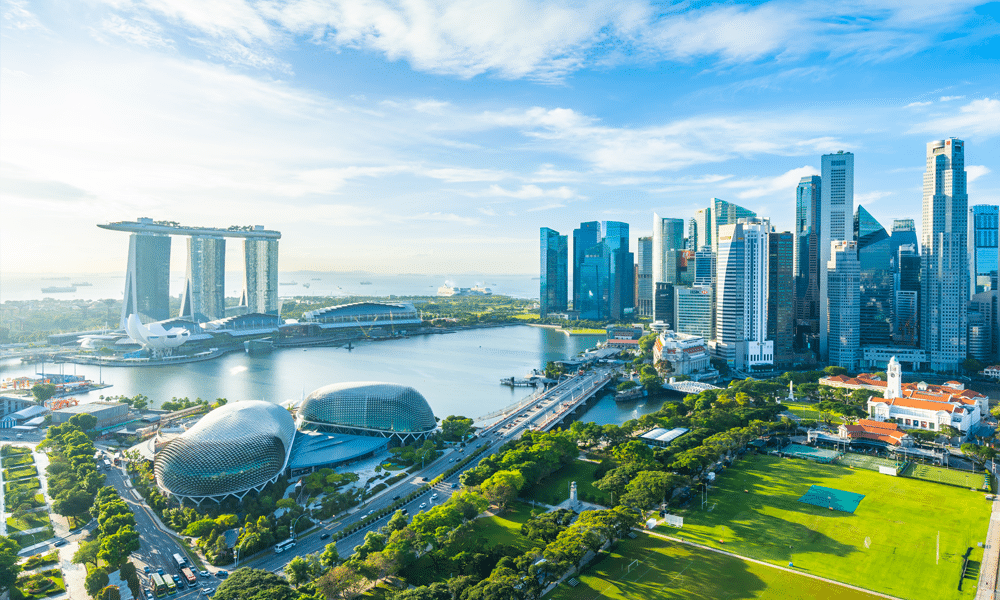
The Infocomm Media Development Authority (IMDA) announced on 20 June, 2025, that it has disallowed a dramatised reading by Singaporean theatre company Wild Rice, following concerns that the revised script may have breached content guidelines set out in the Arts Entertainment Classification Code (AECC).
The production, titled Homepar, was originally submitted to IMDA on 21 April. That version was approved for staging under an R18 classification. However, a revised script submitted on 5 June was assessed to differ substantially from the earlier version.
According to a joint statement by IMDA and the Ministry of Home Affairs (MHA), the updated material was considered to glamorise drug use and depict an undercover Central Narcotics Bureau (CNB) officer shielding drug users from detection.
The authorities stated that such portrayals could undermine public confidence in Singapore’s anti-drug policy, its rehabilitation framework, and the work of enforcement agencies. IMDA noted that performances perceived to challenge national interest are not permitted under existing classification rules.
Wild Rice was reportedly informed that the original version could still be staged, but it chose not to revert to that version. As a result, IMDA disallowed the staging of Homepar in its current form.
A synopsis previously available on the Wild Rice website described the performance as centring on a character hosting a “homepar”—a house party echoing the gay nightclub scene—following a difficult breakup and during a period of gender identity exploration. The script was written by playwright Mitchell Fang.
The AECC, under which public performances in Singapore are regulated, includes provisions that restrict content deemed to undermine public trust in institutions or pose risks to national interests.
Singapore maintains strict anti-drug laws and policies. IMDA reiterated that it upholds this stance and that classification decisions are made in consultation with relevant government agencies when necessary.
Wild Rice operates a 20,000 sq ft performing arts facility in Funan Mall and is known for productions that engage with social, cultural, and political themes.
In a statement issued on social media in response to the ban, Wild Rice rejected the characterisation of Homepar as glamorising drug abuse. It described the work as “a nuanced and empathetic” portrayal centred on healing and recovery.
“The central character’s journey is one of struggle, resilience, and the power of community in overcoming addiction and stigma,” the company stated.
Wild Rice added that the play does not condone or glorify substance use but instead seeks to ask why people turn to drugs—often in response to trauma, discrimination, and marginalisation. It noted that the performance included a range of perspectives and concluded with a “celebration of community that is explicitly and intentionally drug-free.”
The theatre company also highlighted that Homepar was part of The Rice Cooker, its platform for developmental works. The two stagings were limited to script-in-hand performances for audiences of 60 people each, and not intended as a full production.
“It is deeply disappointing that a developmental work has been thrust into the public spotlight and judged as if it were a complete and finished work,” Wild Rice said.
While reaffirming its respect for Singapore’s anti-drug stance, the company emphasised the importance of allowing the arts to explore complex and uncomfortable realities.
“We remain committed to responsible storytelling, and to working constructively with regulators to ensure that this important new Singaporean work can be seen, understood, and appreciated for what it truly is,” the statement concluded.