Survey suggests fear of US tariffs may have influenced Singapore GE2025 voter sentiment
A recent survey found that 68% of Singaporeans are concerned about US tariffs, which may have influenced voter sentiment in the general election. Older and higher-income groups expressed the most worry, with concerns about global trade instability affecting their outlook.
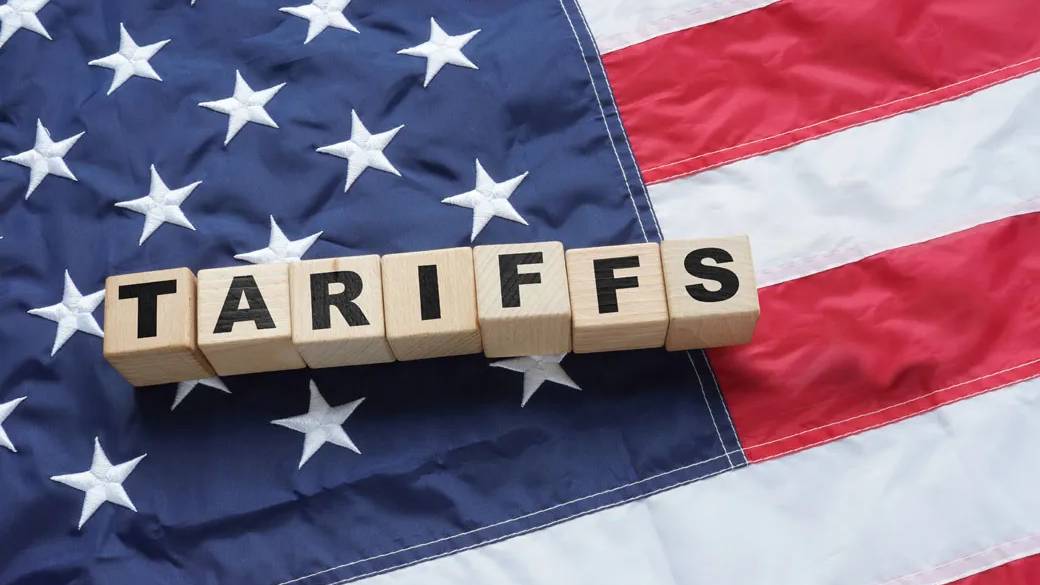

SINGAPORE: A recent survey has revealed that the newly announced US tariffs may have influenced voter sentiment in Singapore’s 3 May general election, with more than two-thirds of Singaporeans expressing concern over the growing threat of global trade instability. The AsiaOne survey, conducted between 10 and 15 April, found that 68 per cent of Singaporeans were at least somewhat concerned about the potential impact of the tariffs. This shift in public mood followed former US President Donald Trump’s 2 April announcement of a sweeping 10 per cent tariff baseline on all imports to the United States — a move widely seen as a significant escalation of protectionist policy that has stirred uncertainty globally. In response, Prime Minister Lawrence Wong issued a video message on 4 April, warning Singaporeans of mounting global uncertainty. “Singapore must brace itself for more shocks to come,” he said, adding that the era of global calm and stability “will not return anytime soon.” PM Wong further cautioned in a ministerial statement on 8 April that the imposition of sweeping US tariffs would deal a heavy blow to Singapore’s economy, emphasising their potential negative impact on businesses and workers. Just a week later, on 15 April, PM Wong called for the general election, issuing the writ that set the polling date for 3 May. Critics argue that this move appeared to capitalise on the heightened public anxiety following the tariff announcement. The decision to hold the elections so soon after a major geopolitical development led to speculation that the government aimed to leverage the sense of economic uncertainty to solidify electoral support. Many critics viewed PM Wong’s warnings as fear-mongering ahead of the general election, arguing that the government had exaggerated the threat posed by the tariffs. Opposition leaders, including Dr Tan Cheng Bock of the Progress Singapore Party (PSP), were particularly vocal in their criticism, suggesting that the government’s stance on the tariffs was partly a political ploy designed to instil fear among voters. Dr Tan argued that the government sought to create the impression that the situation was dire, thereby nudging voters towards supporting the incumbent as a "safe bet."
Survey Insights: Demographic Breakdown of Concern
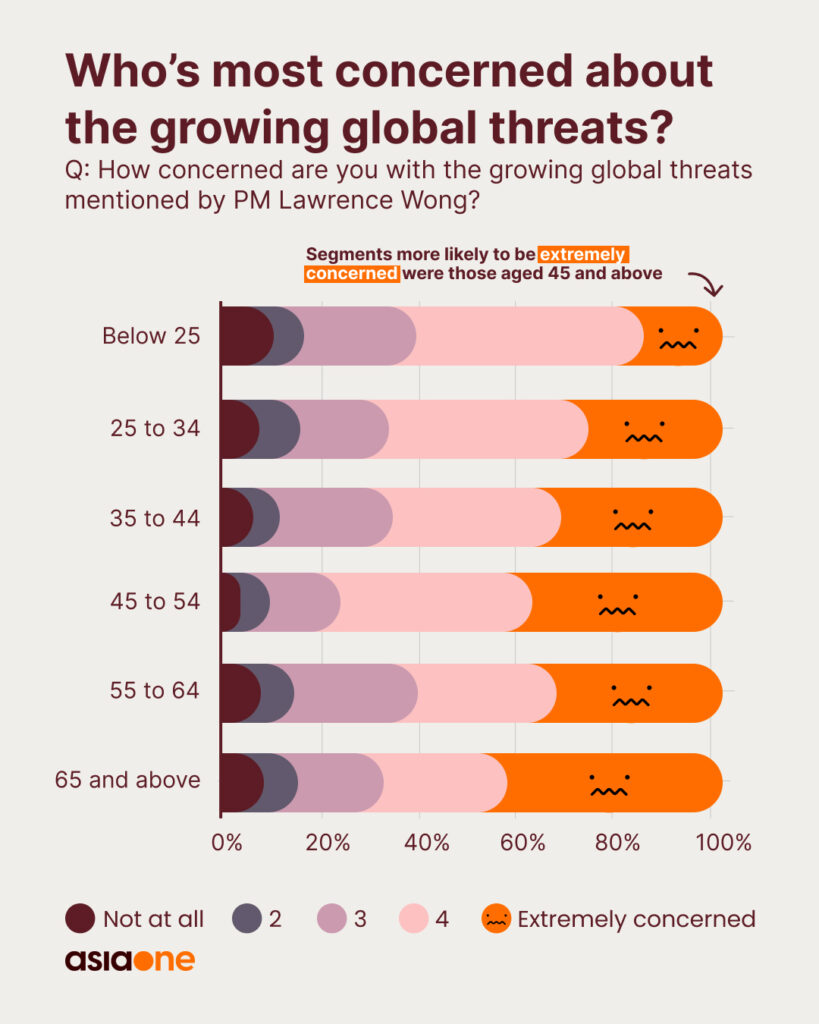
To understand public views on the geopolitical developments, AsiaOne surveyed 1,758 Singaporean respondents between 10 and 15 April. The survey revealed that 52 per cent of respondents followed the news on US tariffs closely. The level of concern varied significantly across different demographic groups, with older and higher-income respondents expressing the greatest concern. Among those most worried about the impact of US tariffs were individuals aged 45 to 54 and those earning $10,000 or more per month. These groups were also more likely to closely follow the news surrounding the tariffs.