WP’s Jamus Lim criticises PAP’s economic policies, calls for fresh ideas to tackle Singapore’s rising costs
At a rally on 28 April 2025, WP’s Jamus Lim criticised the PAP for economic mismanagement, arguing that rising costs are a "homemade" problem. He called for fresh leadership and warned against one-party dominance stifling new solutions for Singapore’s future.
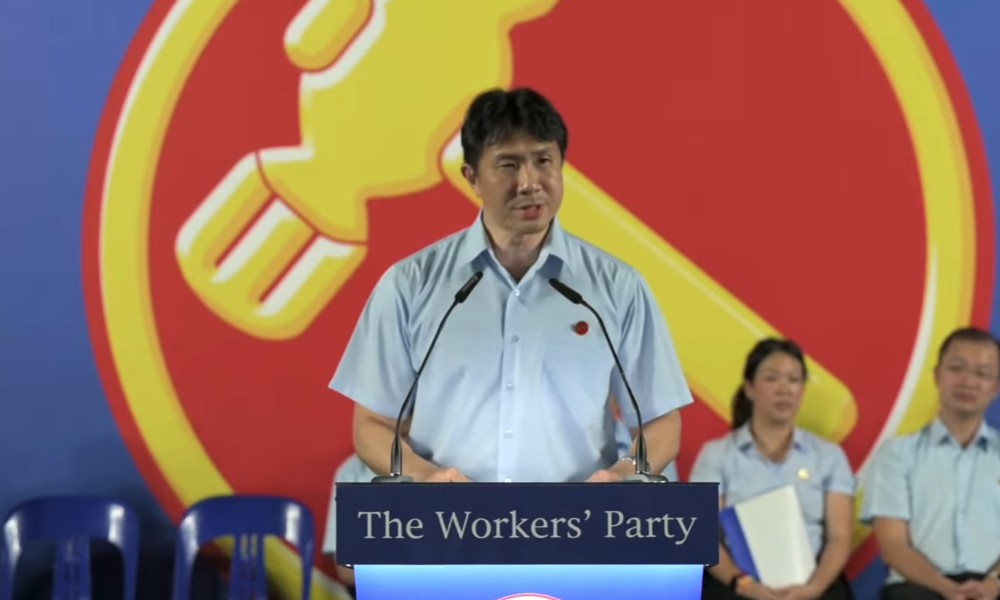

At a rally held on 28 April 2025 at Yusof Ishak Secondary School, Associate Professor Jamus Lim, contesting Sengkang GRC, delivered a sharp critique of the People's Action Party’s (PAP) handling of the economy, warning that policy complacency and outdated ideas were failing Singaporeans. Assoc Prof Lim highlighted how everyday costs have surged, citing examples such as the price of a plate of char kway teow rising from S$3 to S$5, fuel bills exceeding S$100, and mounting expenses across utilities, education, and healthcare. He argued that the government's response — primarily through increasing handouts like GST vouchers, CDC vouchers, and U-Save rebates — only addressed symptoms rather than the root causes. "Such measures may be necessary in emergencies like Covid-19, but continued dependence suggests a deeper systemic problem," Assoc Prof Lim said. For businesses, he criticised the PAP's over-reliance on offering tax breaks, arguing that it cheapens Singapore’s value proposition and does little to address structural economic weaknesses. Assoc Prof Lim accused the government of fuelling inflationary pressures by raising the Goods and Services Tax (GST) during a period of global inflation and by restricting vehicle quotas, which helped drive Certificate of Entitlement (COE) prices to S$150,000. He also pointed to the stubborn adherence to a land pricing formula that inflates the cost of public housing, warning that it passes land bubbles into resale HDB prices and contributes to high rents that hurt businesses and consumers alike. "High rents get passed through to everything else," Assoc Prof Lim explained. "Without acknowledging that land policy is a problem, how can the PAP solve the problem of high living costs?" Assoc Prof Lim emphasised that while global post-pandemic inflation played a role, much of Singapore’s high cost of living was a "homemade, structural problem" created by government policies.