Chee Hong Tat rejects COI on 3 MRT disruptions in Feb, citing no systemic issues with operators
Transport Minister Chee Hong Tat has once again rejected NCMP Leong Mun Wai’s call for a Committee of Inquiry (COI) into recent MRT disruptions. Leong pointed to three breakdowns within a week in February, but Chee maintained that LTA, as the regulator, is conducting thorough investigations. He reiterated that the incidents were unrelated and did not indicate systemic issues with train operators, concluding that a COI was unnecessary.

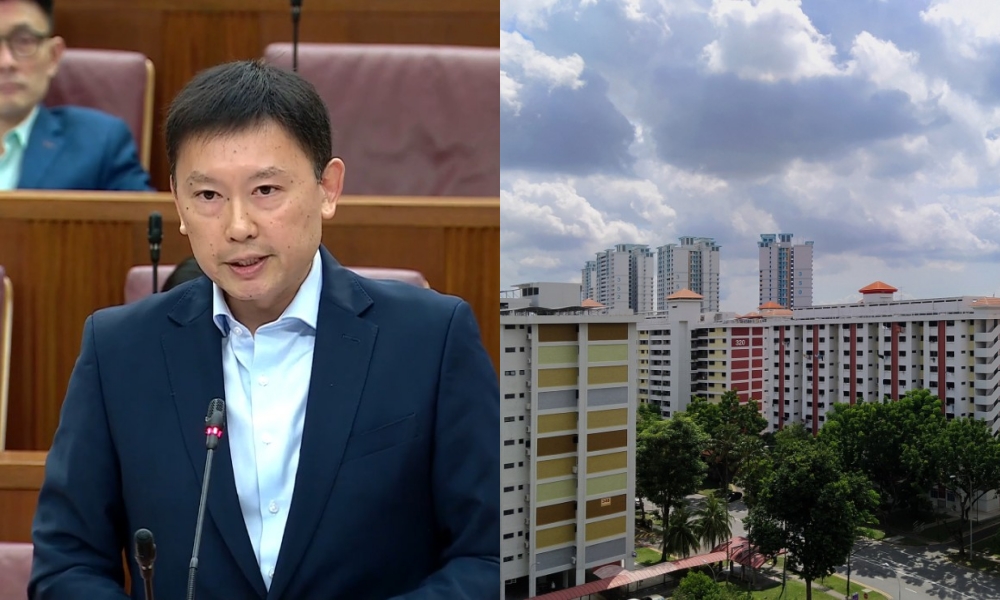
SINGAPORE: Transport Minister Chee Hong Tat has, for the second time, rejected a proposal from Non-Constituency Member of Parliament (NCMP) Leong Mun Wai of the Progress Singapore Party (PSP) to convene a Committee of Inquiry (COI) into the recent spate of MRT disruptions.
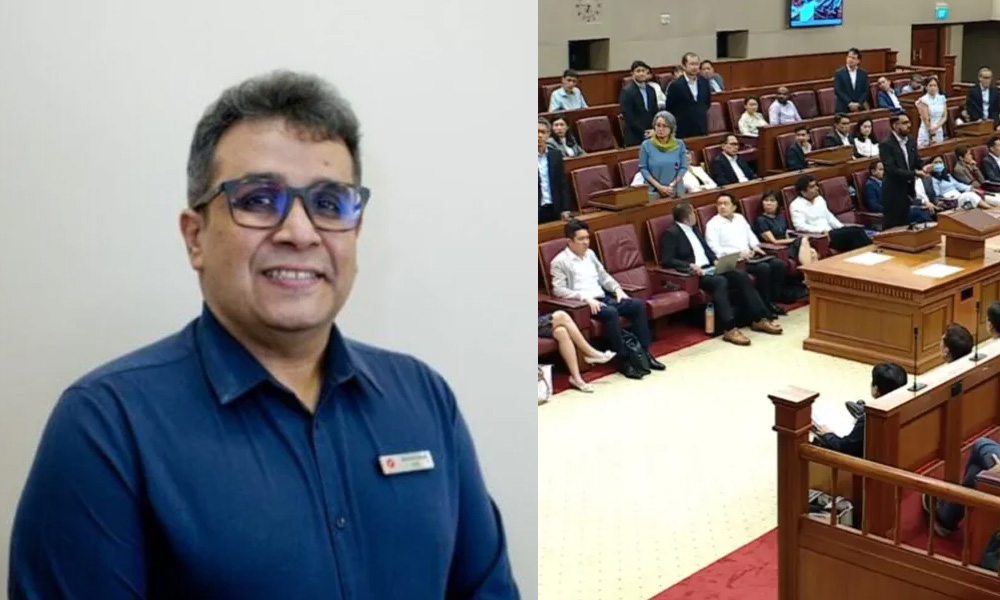
On 26 February, during a supplementary question (SQ), Leong reminded Parliament that Chee had previously dismissed calls for a COI after the six-day East-West Line disruption in September 2024.
Highlighting that three more MRT disruptions had occurred in less than a week this February, he pressed the minister on whether he would now reconsider convening an inquiry.
In response, Chee reiterated the government’s stance from October 2024, stating that The Land Transport Authority (LTA), as the regulator, is empowered to conduct thorough investigations into MRT disruptions.
He noted that LTA is still investigating the East-West Line disruption from September 2024 and assured that its findings would be made public upon completion.
While acknowledging that the latest three incidents were unrelated and of a different nature from the EWL breakdown, Chee stressed that LTA would identify key learning points and ensure they are shared across all operators, including SMRT and SBS Transit.
Regarding the recent disruptions, Chee maintained that since they were isolated incidents and did not indicate systemic failures within SMRT or SBS Transit, the government saw no need for a COI.
Chee Reveals Preliminary Findings on Three MRT Disruptions in February
On Wednesday, Chee addressed parliamentary questions (PQs) filed by Leong and Workers’ Party MP Dennis Tan Lip Fong regarding the disruptions on 7, 10, and 11 February 2025.
Leong and Tan had sought updates on lessons learned from the disruptions, the Ministry’s plans to prevent future breakdowns, and whether maintenance issues had contributed to the incidents.
He assured Parliament that LTA and train operators would continue learning from these incidents, investing in improvements, and minimizing the impact on commuters.
Chee also shared the preliminary findings of the Land Transport Authority’s (LTA) investigations into the three MRT disruptions.
7 February: North-South Line (NSL) Breakdown
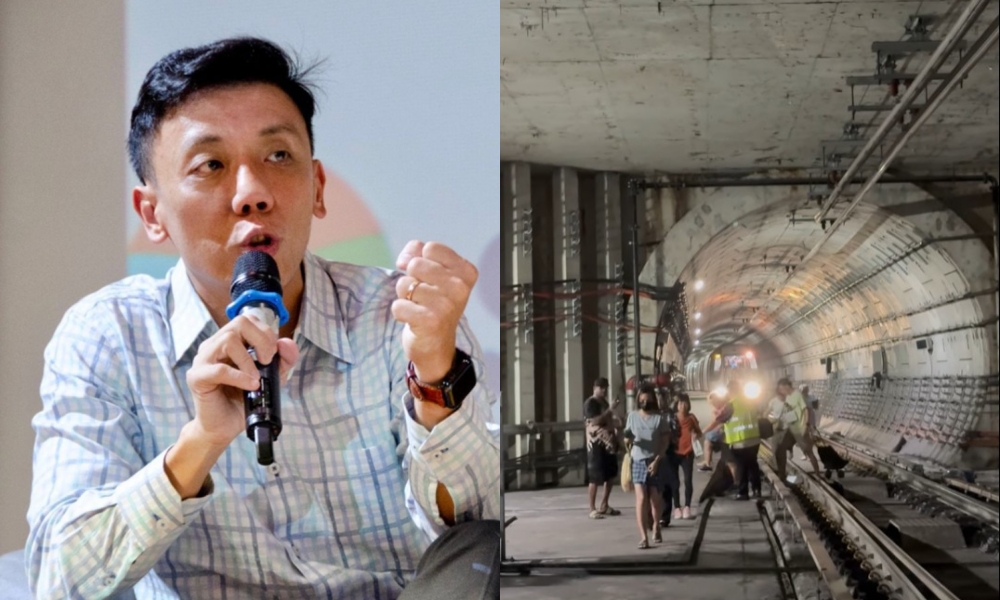
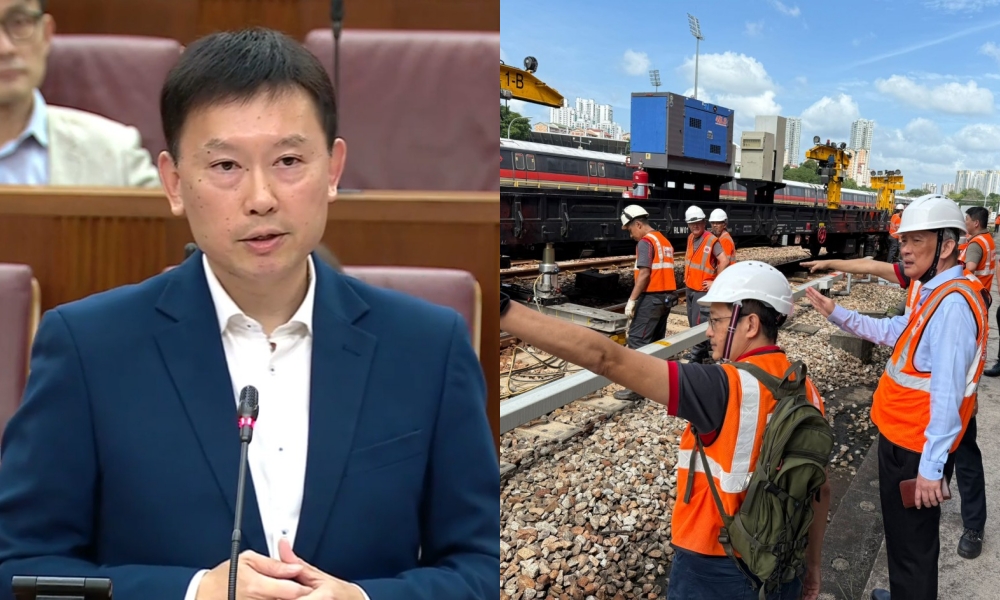
An engineering vehicle broke down at a railway crossing in Bishan Depot at 5:15 am, preventing trains from departing. The vehicle, used for maintenance works, was stuck when some of its wheels derailed. Only three out of 39 scheduled trains could be deployed.
To maintain service, SMRT redirected trains from the East-West Line (EWL), resulting in longer intervals during peak hours. Recovery efforts, hindered by space constraints, took the entire day, with normal service resuming by evening.
10 February: North East Line (NEL) Signalling Fault
At 6:08 am, a signalling failure near Buangkok station forced trains to operate manually at reduced speeds, causing delays. SBS Transit activated free bridging buses.
Preliminary investigations found that the fault was due to a malfunctioning electronic card in the signalling system, which had shown no prior signs of failure. Normal service was restored by 8:00 am after the faulty component was replaced and sent for further analysis.
11 February: Circle Line (CCL) Train Halts
At 8:15 am, a signalling fault caused a train to lose communication with trackside equipment, triggering automatic braking and halting 17 trains between Paya Lebar and Marymount.
While movement resumed within five minutes, SMRT encountered issues with the Central Automatic Train Supervision (CATS) system, delaying full restoration.
A software patch, developed after a similar issue in September 2024, had been scheduled for deployment on 15 February but was implemented only after the disruption.
Chee Highlights MRT’s 1 Million Train-Km MKBF Target Since 2019
Chee assured that LTA and ail operators take every incident seriously and strive for high safety, reliability, and resilience.
"While we cannot completely prevent incidents from happening in a rail system of this size and complexity, we will do our best together with the operators and our workers to maintain a high level of safety, reliability and resilience, and to minimise the impact to commuters when an incident occurs."
Chee further stressed that Singapore's MRT system has consistently met its Mean Kilometers Between Failures (MKBF) target of 1 million train-km since 2019, placing it among the best-performing metro systems globally.
WP MP Dennis Tan Calls for Better Maintenance and Communication Amid MRT Disruptions
During a SQ, Tan asked whether maintenance vehicles undergo the same rigorous upkeep as passenger trains and suggested improvements in both vehicle maintenance and commuter communication during disruptions.
Chee clarified that engineering vehicles have a different maintenance regime but assured Parliament that investigations were ongoing and LTA would review recovery processes.
He acknowledged the challenges faced by SMRT in clearing the tracks and affirmed the government's commitment to improving commuter communication and expanding the MRT network for greater resilience.