PSP urges Transport Minister to convene Committee of Inquiry following East-West Line disruption
The Progress Singapore Party (PSP) expressed gratitude to engineers and workers who restored East-West Line service but highlighted the significant inconvenience caused by the disruption. PSP calls for a thorough investigation to determine the causes and urges the Transport Minister to convene a Committee of Inquiry following the six-day disruption.


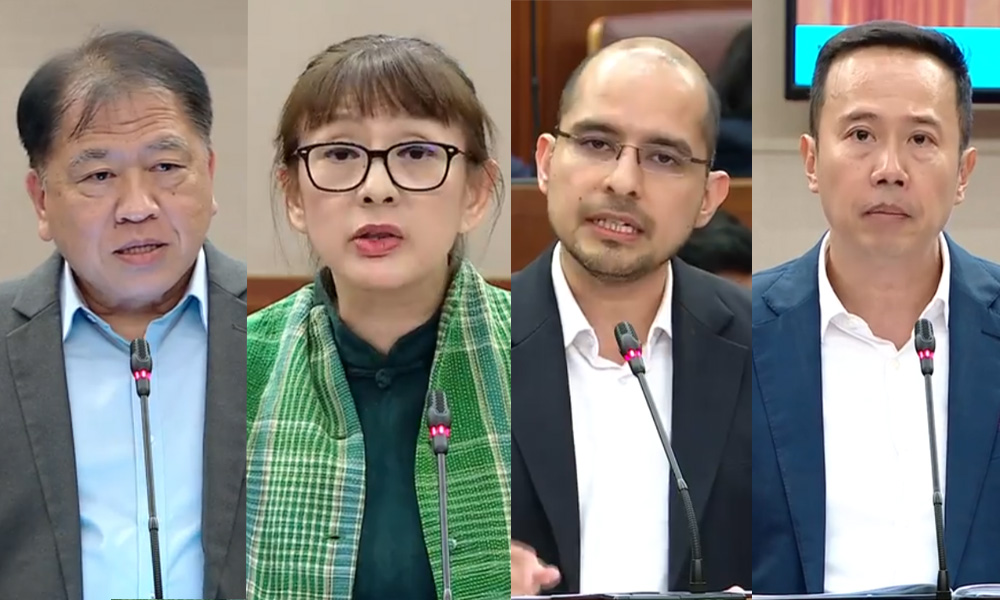
SINGAPORE: The Progress Singapore Party (PSP) is urging the Transport Minister Chee Hong Tat to convene a Committee of Inquiry on the East-West Line (EWL) disruption than prolonged for six days and impacting over millions of passengers.
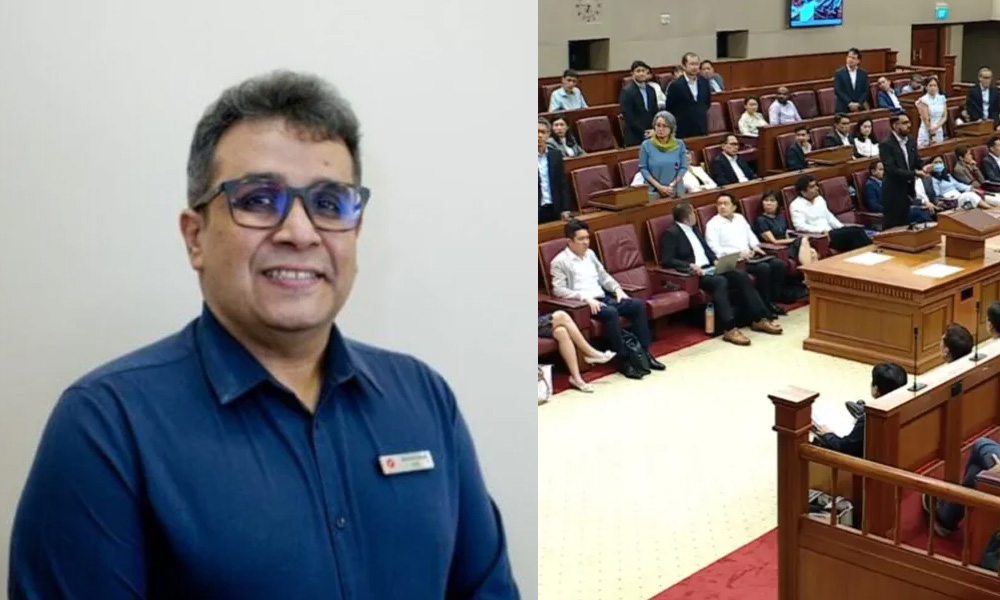
In a statement issued on Tuesday (1 October), Hazel Poa, PSP Secretary-General expressed relief that normal service on the EWL has resumed on the same day.
Ms Poa, who is also also a Non-Constituency Member of Parliament (NCMP), thanked the engineers and workers for their tireless efforts in restoring the service, emphasizing the crucial role of support staff and bus captains who provided essential assistance during the disruption.
She also acknowledged the consistent updates provided to the public regarding the status of the repairs.
However, Ms Poa highlighted that a train disruption on this scale brings great inconvenience to many commuters.
"It is therefore imperative that a thorough investigation be conducted to determine the causes, whether they could have been prevented, and review the current maintenance and inspection regimes."
Ms Poa added that PSP team visited residents in the affected areas over the weekend, gathering feedback on how interim measures could be improved.
Residents suggested that the government encourage employers to allow work-from-home arrangements for affected employees, alleviating pressure on the public transport system.
Additionally, they recommended deploying more personnel at affected stations to guide and inform commuters about interim arrangements and alternatives.
"We hope these feedback can be useful to the Ministry of Transport (MOT) and SMRT. When the chips are down, we must all work together to make things better for Singaporeans," Ms Poa concluded.
COI convened for 2011 major North-South Line breakdown
The Committee of Inquiry (COI) was convened to investigate two significant train service disruptions on Singapore's North-South Line, operated by SMRT, on 15 and 17 December 2011.
These breakdowns led to extensive disruptions affecting hundreds of thousands of commuters and raised concerns about the safety and reliability of the rail system.
The COI, convened by the Ministry of Transport and directed by then-Prime Minister Lee Hsien Loong, was tasked with identifying the causes and recommending measures to prevent future occurrences.
The first disruption, on 15 December 2011, occurred during evening peak hours, when four trains lost traction power and stalled between City Hall and Braddell stations.
This breakdown affected approximately 127,000 commuters, with the disruption lasting about five hours.
Several passengers were forced to evacuate onto the tracks, and the inadequate bus bridging services compounded commuter frustrations.
Fortunately, there were no major injuries, though two passengers fainted due to the lack of ventilation and lighting in one of the trains.
The second incident occurred on 17 December 2011, affecting about 94,000 commuters.
This disruption lasted around seven hours, but was relatively better managed due to lessons learned from the earlier breakdown.
The immediate cause of both disruptions was found to be the sagging of the third rail, which powers the trains.
The sagging occurred due to the failure of multiple support "claws," leading to damage to the trains' Current Collector Device (CCD) shoes, which draw power from the third rail.
The COI's report, issued on 3 July 2012, concluded that the incidents were preventable and attributed them to inadequate maintenance and oversight.
It recommended improvements in maintenance practices, better detection of defects, and enhancements in the emergency management framework to ensure quicker response times during future disruptions.
The 2011 breakdown ultimately led to the resignation of SMRT’s then-CEO, Saw Phaik Hwa, who also stepped down as a director of SMRT in 2012.