Another taskforce, same old story on MRT breakdowns
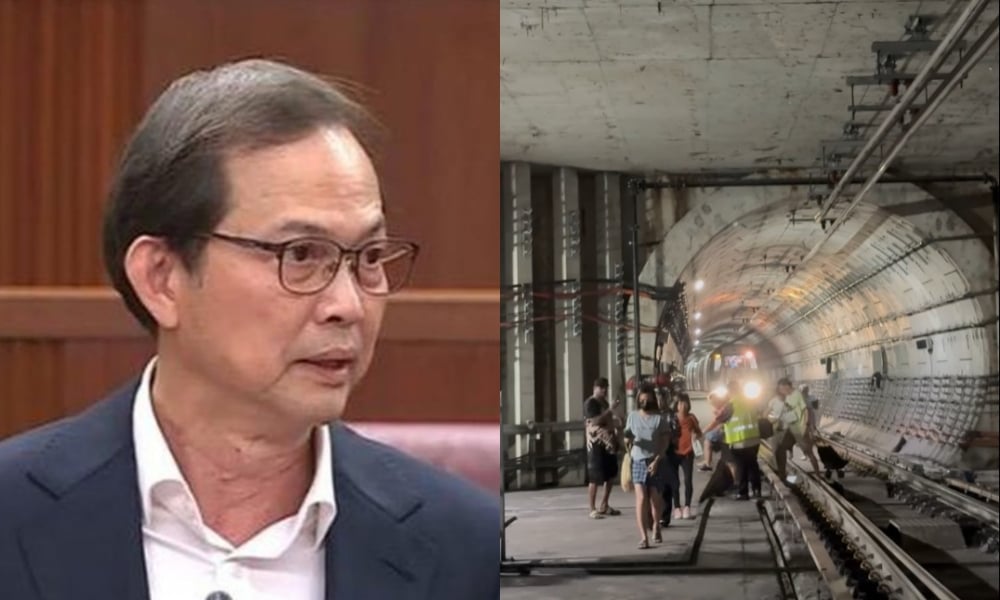
On 19 Sept, Acting Transport Minister Jeffrey Siow announced a new Joint Rail Reliability Taskforce with promises of audits, faster recovery, and S$1b in upgrades. But Singaporeans have heard it all before. Rather than another “ownself review ownself” exercise, the real question is why the government resists a full Committee of Inquiry — dismissing systemic flaws despite repeated breakdowns across multiple MRT lines.
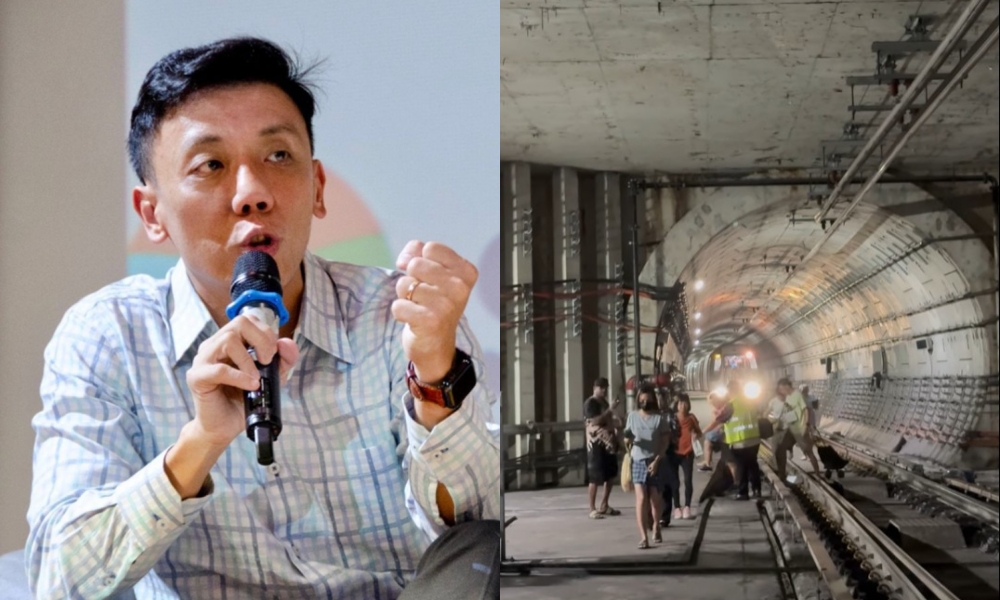

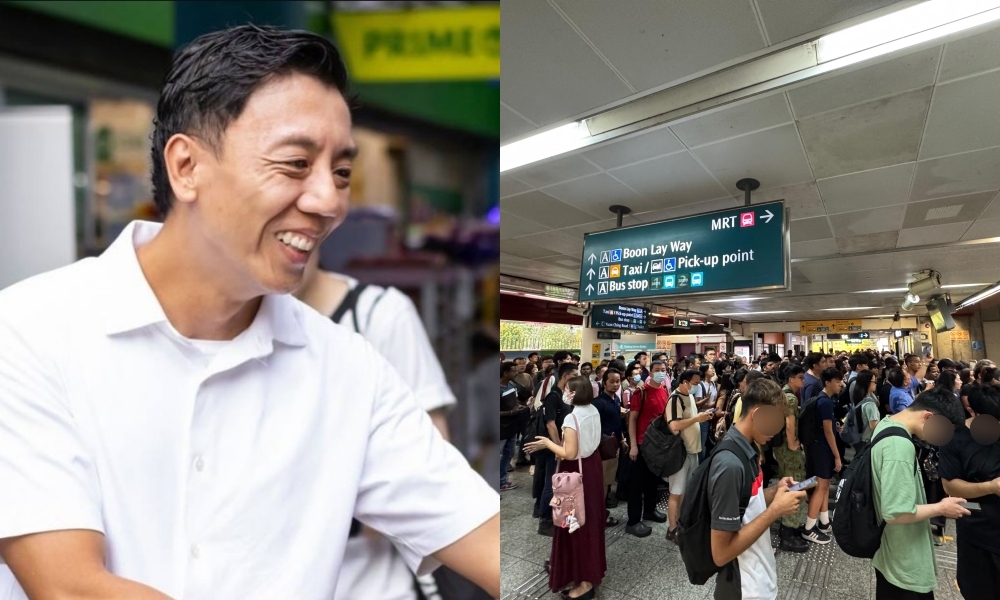
When Acting Transport Minister Jeffrey Siow announced the formation of a new Joint Rail Reliability Taskforce on 19 September, the promises sounded familiar: technical audits, reviews of ageing components, faster recovery from disruptions, and S$1 billion to boost rail reliability over the next five years.
But Singaporeans have heard this before.
A cycle of breakdowns and inquiries
- 2011 breakdowns: A Committee of Inquiry found maintenance lapses, poor record-keeping, and regulatory blind spots. The fixes? More maintenance, stronger oversight, upgrade old parts.
- 2015 disruptions: Recommendations again pointed to power system reinforcements, preventive checks, and quicker incident responses.
- 2017 Bishan tunnel flooding & Joo Koon collision: Investigations exposed falsified maintenance records and signalling failures. Once more, the “solutions” were familiar: tighten checks, boost redundancy, fire staff, and review protocols.
Each time, some improvements were made.
Yet major disruptions keep recurring — because the deeper structural problems remain untouched.
The Land Transport Authority acts as both regulator and infrastructure owner, while operators face cost pressures that can discourage real long-term investment in reliability.
What’s different this time?
The 2025 taskforce is led by LTA’s CEO, joined by SMRT and SBS Transit heads — the very players whose systems are under scrutiny.
Its remit: identify end-of-life components, bring forward renewal programmes, and reassess staff training.
These are the same recommendations commuters have seen for more than a decade.
“No systemic issues, COI rejected”
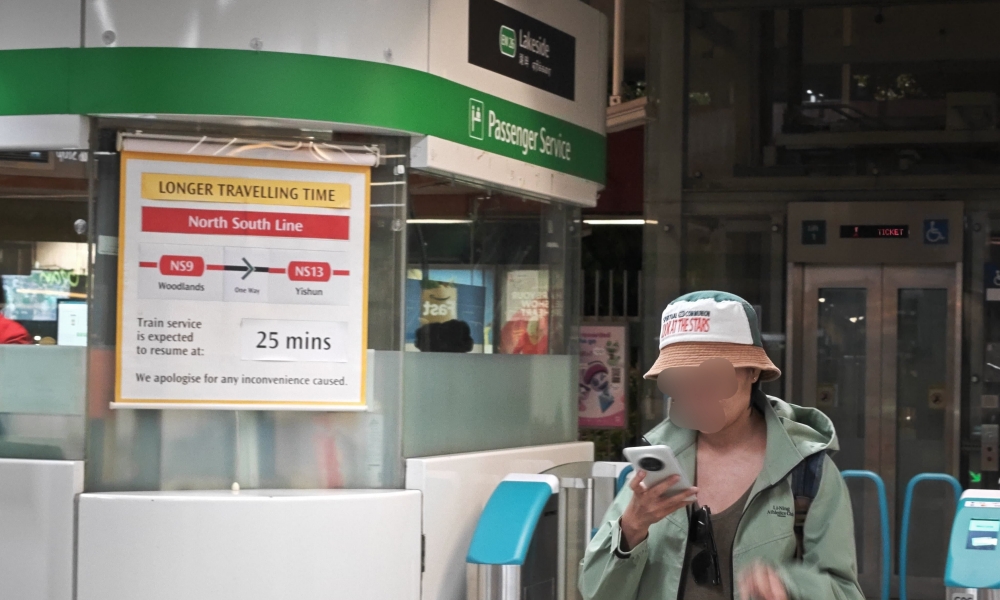
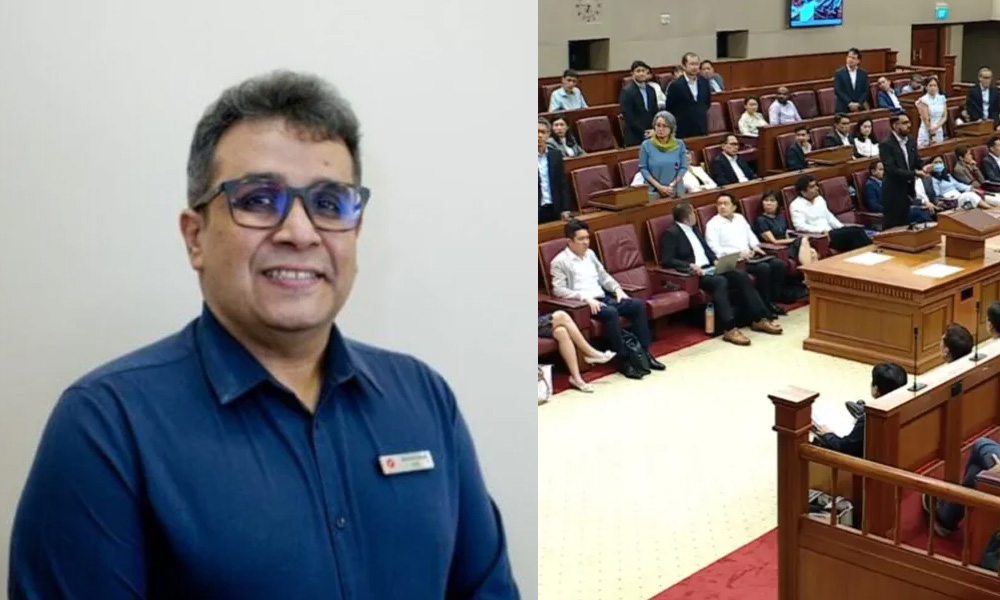
While the government formed the new taskforce following recent disruptions, commuters were left puzzled when SMRT President Lam Sheau Kai asserted this week that the incidents across multiple MRT lines were unrelated and did not indicate systemic issues in Singapore’s rail network.
Rather than relying on a ‘half-baked, ownself-review-ownself’ taskforce, it is difficult not to question the government’s reluctance to carry out a thorough, independent investigation into the problem.
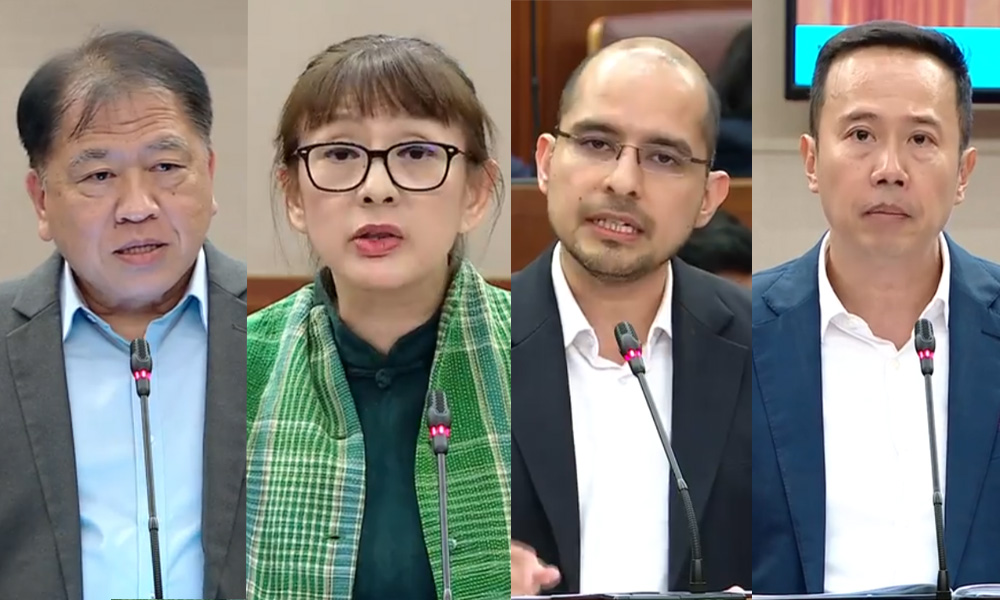
Lam's remark mirrors the stance of former Transport Minister Chee Hong Tat, who twice rejected proposals from then-NCMP Leong Mun Wai from Progress Singapore Party to convene a Committee of Inquiry (COI) into rail disruptions.
Chee maintained that the breakdowns were isolated incidents and did not reflect systemic failures, leading the government to conclude a COI was unnecessary.
With Siow now serving as Acting Transport Minister, Leong has renewed his call for a COI, arguing that the government’s continued reliance on the Mean Kilometres Between Failures (MKBF) metric masks the true extent of the issue.
He stressed that more must be done to strengthen the resilience of Singapore’s public transport system, reiterating that the persistent spate of breakdowns is unacceptable.
What commuters deserve
Singaporeans deserve more than recycled solutions. They deserve:
- Independent oversight — audits not led by the same agencies under question.
- Transparency — full publication of findings, not high-level summaries.
- Structural reform — separating regulation from operations, so accountability is clear.
- Clear benchmarks — measurable targets with real consequences when they are not met.
Until these changes are made, each new taskforce risks being just another exercise in delay, while commuters continue to bear the frustration of repeated breakdowns.