Chee Hong Tat: PTC's fare review aims for affordable, sustainable public transport
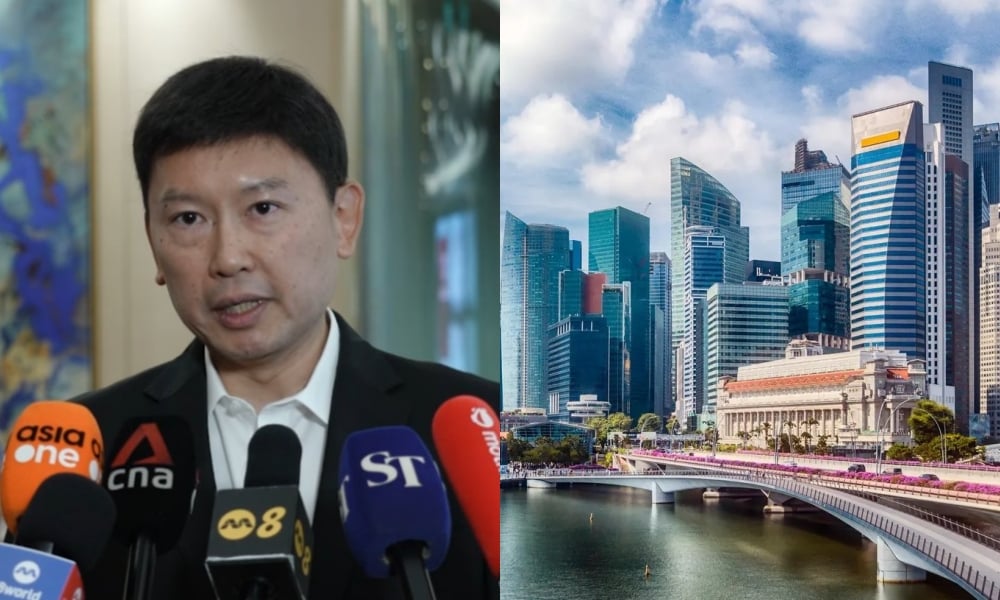
During the parliamentary sitting on 16 October, Transport Minister Chee Hong Tat reaffirmed the Public Transport Council's commitment to affordable public transport fares while ensuring the system's financial sustainability. He explained that the fare adjustment formula considers economic and social factors, including fare affordability and rising costs faced by commuters and transport operators.


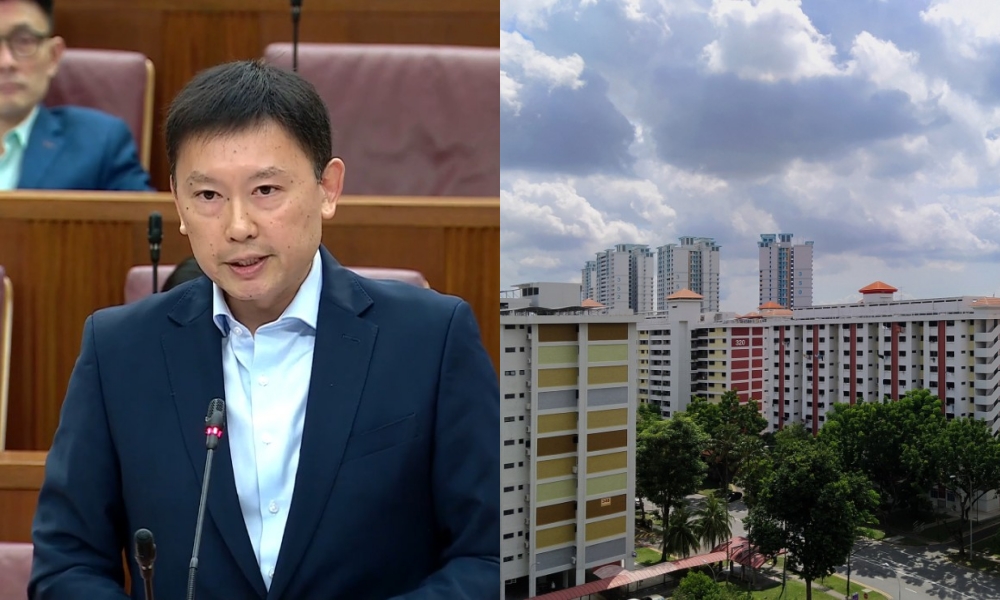
SINGAPORE: During the parliamentary sitting on 16 October, Transport Minister Chee Hong Tat defended the Public Transport Council's (PTC) latest fare review exercise. He emphasised that the PTC's primary goal is to keep public transport fares affordable for commuters while ensuring the system's financial sustainability.
In response to questions from fellow Members of Parliament, he assured them that the PTC adopts a gradual approach to fare adjustments, aiming to minimize the impact on commuters.
MPs including Saktiandi Supaat from People's Action Party (PAP) raised concern over the financial implications of deferring fare increases, specifically on public transport operators and the sustainability of the system, as well as the impact on funding for service improvements and infrastructure projects.
Nominated MP Neil Parekh Nimil Rajnikant inquired about the reasons behind the fare revision recommendation, the steps transport operators have taken to enhance service levels, and the major cost factors that operators need to monitor closely.
In response, Mr Chee explained that the PTC is guided by the fare adjustment formula, which takes into account economic and social factors, such as fare affordability, rising costs for both commuters and the public transport industry, and the overall economic climate.
For this year’s fare review, the formula produced an adjustment of 3.3%, driven by core inflation and wage growth in 2023, though moderated by a decrease in energy prices from their 2022 peak.
After including the deferred quantum of 15.6% from last year, the maximum allowable fare increase was 18.9%.
However, PTC opted for a 6% fare increase—less than one-third of the maximum quantum—to maintain affordability and financial sustainability.
Bus and train fares are set to increase by 10 cents per journey for adult commuters starting from 28 December 2024.
Mr Chee also highlighted the government's commitment of $250 million in additional subsidies to cover the funding gap and mitigate the impact on commuters.
This is on top of the $2 billion in annual subsidies for bus and train services, as well as up to $900 million over eight years for the Bus Connectivity Enhancement Programme.
However, he cautioned that while the Government has provided these subsidies to help cushion fare increases in recent years, they are ultimately funded by current and future taxpayers.
He stressed the need to gradually close the gap, which is a key part of this year’s fare review. The PTC has also signaled its intention to continue with a gradual approach to future fare adjustments.
In response to fare increases, the Government has made Public Transport Vouchers (PTVs) available to help lower-income households.
"The Government understands Singaporeans’ concerns about costs of living. That is why we revised the income eligibility criterion this year, from monthly household income per person of $1,600 to $1,800. This allows 60,000 more households to qualify for a PTV this exercise."
He added that the government also increased the PTV amount from $50 in 2023, to $60 this year. This will cover about 6 months of the fare increase for lower-income households.
To encourage rail and bus operators to uphold high service and reliability standards, Mr Chee reiterated that the system incorporates both "carrots and sticks."
He noted that the Land Transport Authority (LTA) has implemented various measures to hold operators accountable for meeting these standards, including imposing penalties for lapses and establishing incentives for good performance.
On fare structures and revenue models in different cities, Mr Chee highlighted that cities like Hong Kong and London implement annual fare adjustments, while others, such as Seoul, have recently made significant fare increases after extended periods without changes.
MP questions effectiveness of Public Transport Vouchers in assisting low-income households with fare hikes
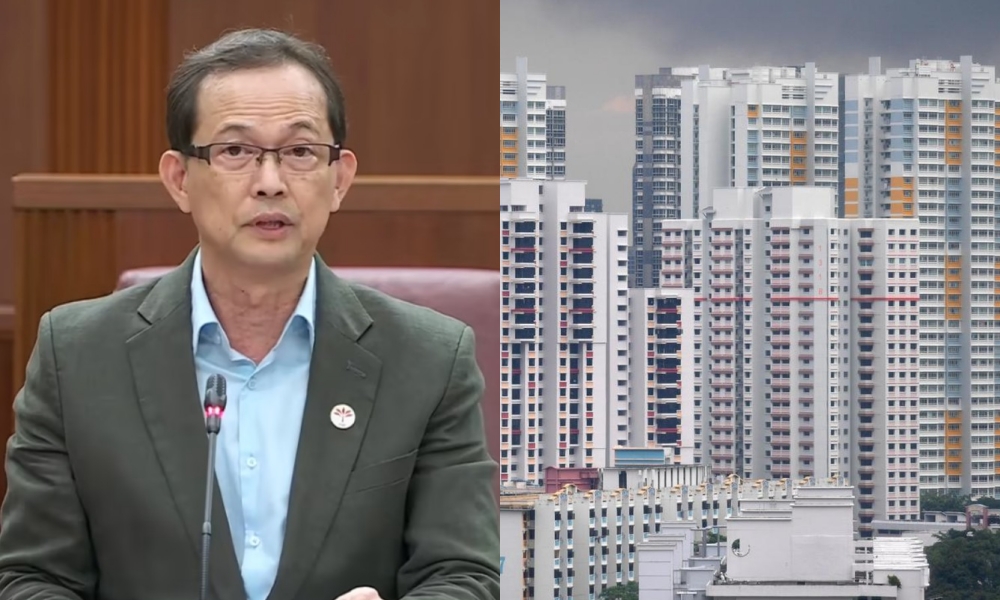
Saktiandi Supaat, MP for Bishan–Toa Payoh GRC then raised concerns about the Public Transport Vouchers (PTV) and their effectiveness in helping lower-income households manage public transport fare increases.
He questioned how the Government determines the quantum of PTVs (the voucher amount) and whether it could be included as part of the overall budget rather than being decided on an ad-hoc basis.
In response, Mr Chee explained that the Government reviews the size of the quantum and the coverage with each fare review exercise, considering what is necessary to help lower-income households defray about six months of fare increases.
He noted that there is flexibility built into the PTV application process. Households with more members can appeal for additional PTVs to better address their needs, and these appeals are managed through grassroots networks.
In response to Saktiandi's suggestion of including PTV decisions within the national budget, Mr Chee explained that the timing of fare reviews and the PTV allocations differ.
The PTC’s fare review recommendations come later in the year, and only then can the Government size up the PTVs based on the recommended fare increases. Hence, PTVs cannot be pre-determined within the budget process.
Transport Minister opposes link between fare adjustments and train service reliability
Yesterday (15 Oct), Mr Chee, in delivering his Ministerial Statement addressing the recent East-West Line disruption, dismissed a suggestion from Workers' Party MP Gerald Giam to link fare adjustments to train service reliability, asserting that public transport service levels and disruptions should remain distinct from fare setting.
He highlighted that the Land Transport Authority (LTA) investigates service disruptions, establishes accountability, and imposes penalties when necessary.
He clarified that operators who fail to meet reliability targets also forfeit payments under the government's incentive schemes.
Mr Chee explained that the annual fare review aims to ensure fares align with changes in operating costs, thereby maintaining the financial sustainability of the public transport system.
Challenging the Minister further, Mr Giam asked how commuters could be assured that fare increases would result in tangible improvements in service reliability.
Mr Chee acknowledged Mr Giam's concerns but emphasised that different strategies are employed to achieve specific objectives, including monitoring performance and incentivising operators to uphold high service standards through penalties and rewards.
He argued that integrating service reliability into fare adjustments could have detrimental effects. Holding back on fare increases, which are essential for covering rising operating costs, could result in a chronic financial shortfall, ultimately impacting service quality and reliability over time.
Additionally, he noted that depending on government subsidies to bridge the shortfall would require taxpayers to foot the bill.