Transport Minister opposes link between fare adjustments and train service reliability
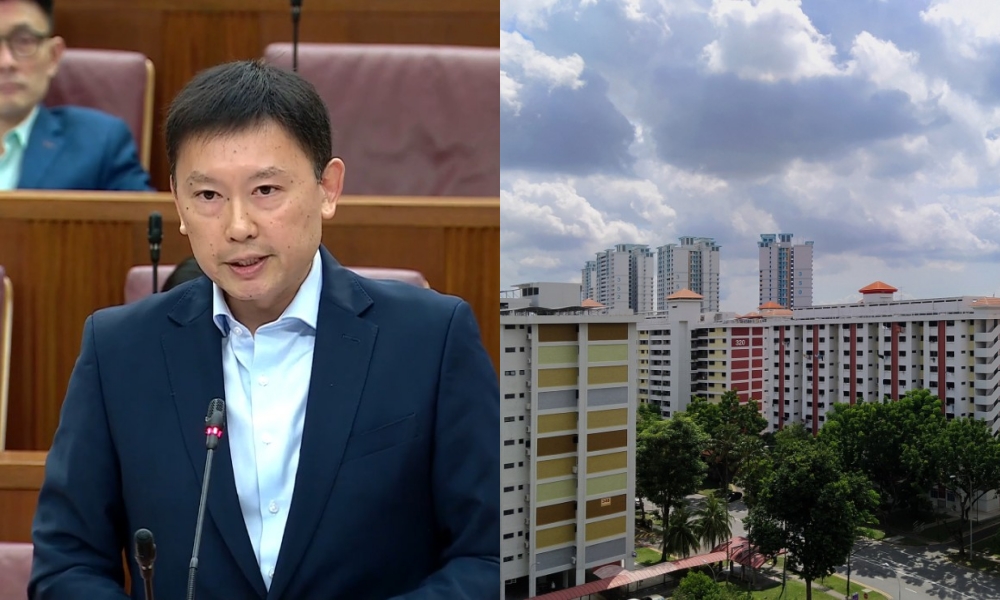
During the 15 October parliamentary sitting, Transport Minister Chee Hong Tat rejected Workers' Party MP Gerald Giam's proposal to link fare adjustments to train service reliability. He cautioned that delaying essential fare increases needed to cover rising operating costs could lead to a chronic shortfall, ultimately negatively impacting service quality and reliability.


SINGAPORE: Transport Minister Chee Hong Tat dismissed a suggestion by Workers' Party MP Gerald Giam to link fare adjustments to train service reliability, arguing that public transport service levels and disruptions should remain separate from fare setting.
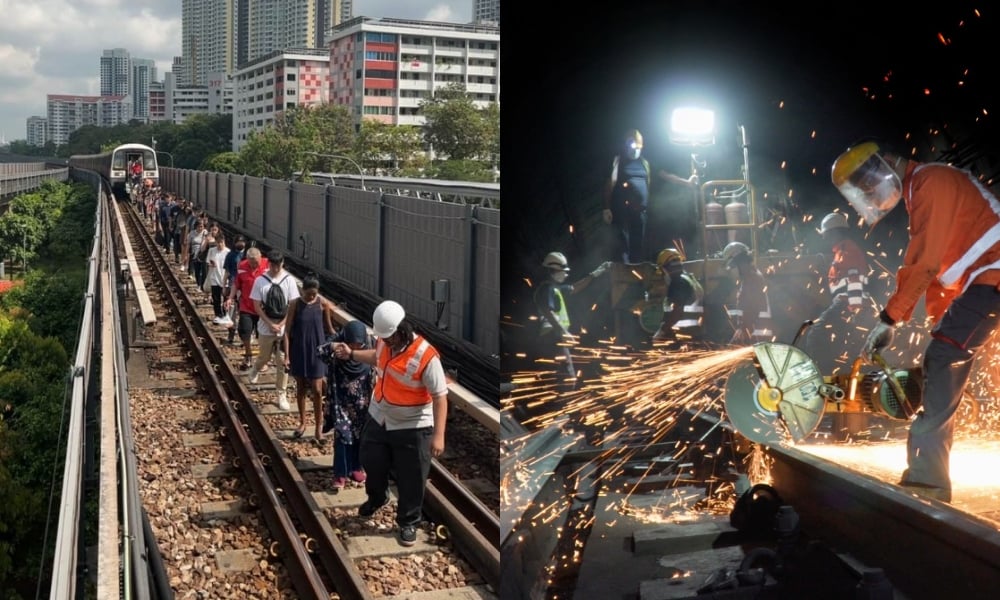
On 15 October, Minister Chee delivered a Ministerial Statement addressing the recent six-day disruption of the East-West Line train service.
He explained that the Public Transport Council (PTC) had previously examined the feasibility of connecting fare reviews to service levels and disruptions but ultimately chose not to pursue this approach, as other measures are already in place to ensure service standards are met.
He noted that the Land Transport Authority (LTA) investigates service disruptions, identifies accountability, and imposes penalties if necessary.
Operators that fail to meet reliability targets also forfeit payments under the government's incentive schemes.
Responding to Giam’s question on whether service levels could be considered in the PTC’s fare review exercise, Chee clarified that the annual fare review is designed to ensure fares keep up with changes in operating costs, maintaining the financial sustainability of the transport system.
He pointed out that while the maximum allowable fare increase this year was 18.9%, PTC raised fares by only 6% to ensure affordability.
“If our fares are not adjusted to reflect rising operating costs, the persistent shortfall would have a chronic impact on service quality and reliability over time,” he added.
“Or if we want to continue topping up the shortfall via government subsidies, it means that taxpayers will have to foot a higher bill.”
In response to Mr Gerald Giam's separate question regarding the operations and maintenance of first-generation Kawasaki Heavy Industries (KHI) trains, Minister Chee explained that an independent assessment in 2012 determined these trains have a total service life of 38 years.
He clarified that a train's age alone does not determine its reliability, and trains can continue to operate safely within their service life.
Under the New Rail Financing Framework (NRFF) introduced in 2016, the Land Transport Authority (LTA) owns the assets, while operators are responsible for maintenance.
Minister Chee also highlighted that the LTA procured 106 new R151 trains in 2018 and 2020 to replace the older KHI trains, but delivery was delayed due to the COVID-19 pandemic.
By June 2023, 34 new R151 trains had been delivered to SMRT, with full replacement of the KHI trains scheduled for completion by the end of 2026.
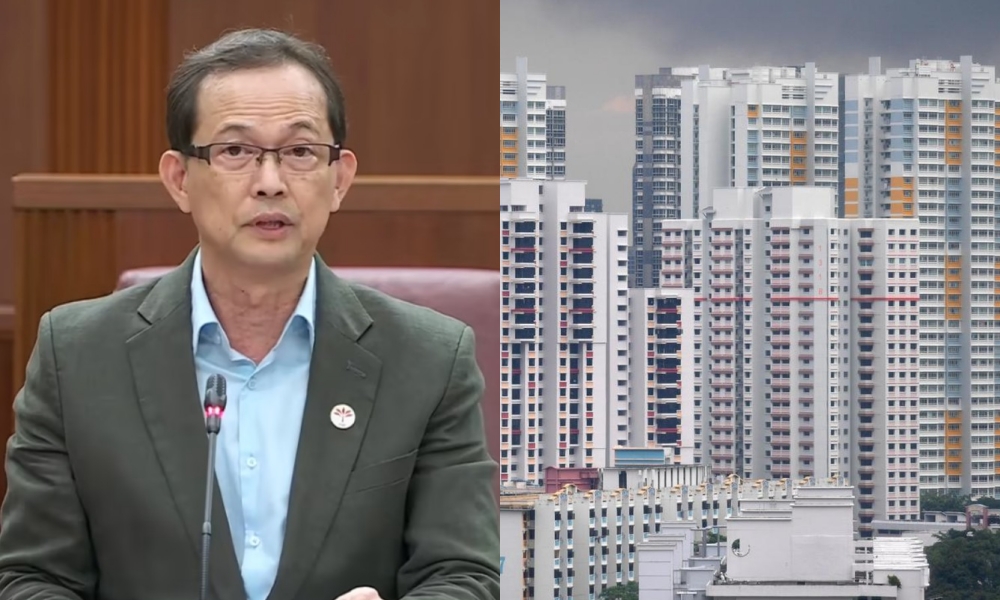
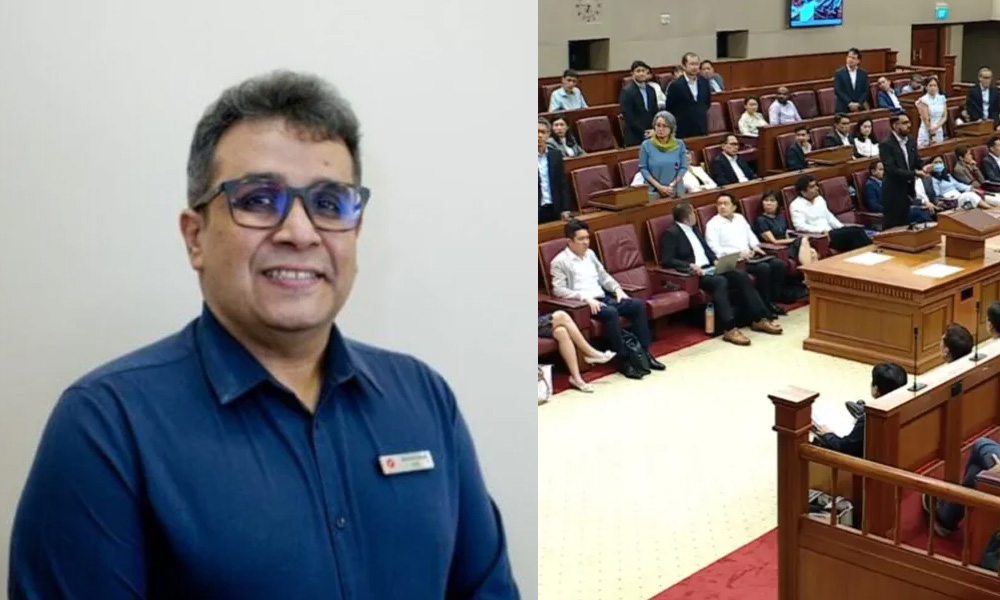
Mr Giam questioned how fare increases would ensure tangible improvements in service reliability
In a supplementary question, Mr Gerald Giam highlighted that the Minister had declined his suggestion to link fare adjustments to service reliability.
He then challenged the Minister, asking how commuters could be assured that fare increases would lead to tangible improvements in service reliability.
"For example how much of the fair revenue increase is allocated specifically towards improving service reliability?" Mr Giam asked.
In response, Minister Chee acknowledged Mr Giam's concerns but emphasised that different tools are used to achieve various objectives, such as tracking performance and incentivizing operators to maintain high service standards through penalties and rewards.
He reiterated that if operators miss service benchmarks or face lapses, they are subject to investigations and penalties.
Mr Chee argued that incorporating service reliability into fare adjustments could have negative consequences.
For example, holding back on fare increases, which are necessary to cover rising operating costs, could lead to a chronic shortfall, potentially affecting service quality and reliability in the long run.
He also pointed out that relying on government subsidies to cover the shortfall would mean asking taxpayers to foot the bill.
Mr Giam also questioned why the older trains, which have higher maintenance costs and failure rates, were not replaced earlier and inquired about any factors delaying the replacement process, such as new trains delivered but not immediately put into service.
Mr Chee reiterated that the replacement of first-generation trains had been delayed due to the COVID-19 pandemic, but assured that these trains would still be replaced before reaching their 38-year service life.
He emphasized that while the government is trying to catch up on delays, safety must remain a priority, and thorough testing of new trains is required before they are put into service.