Leong Mun Wai questions lack of disclosure on capital extraction in Income-Allianz deal
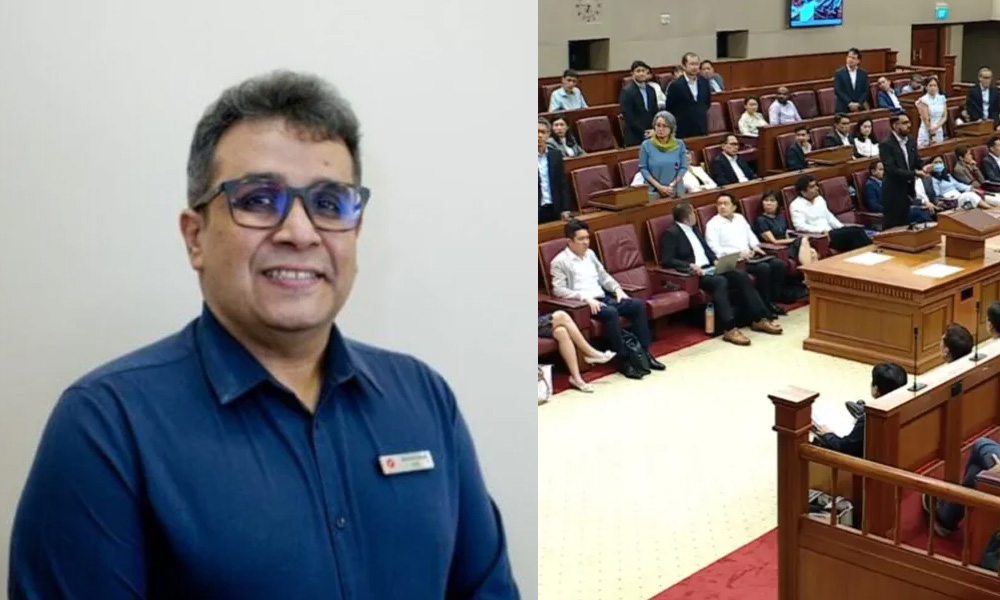
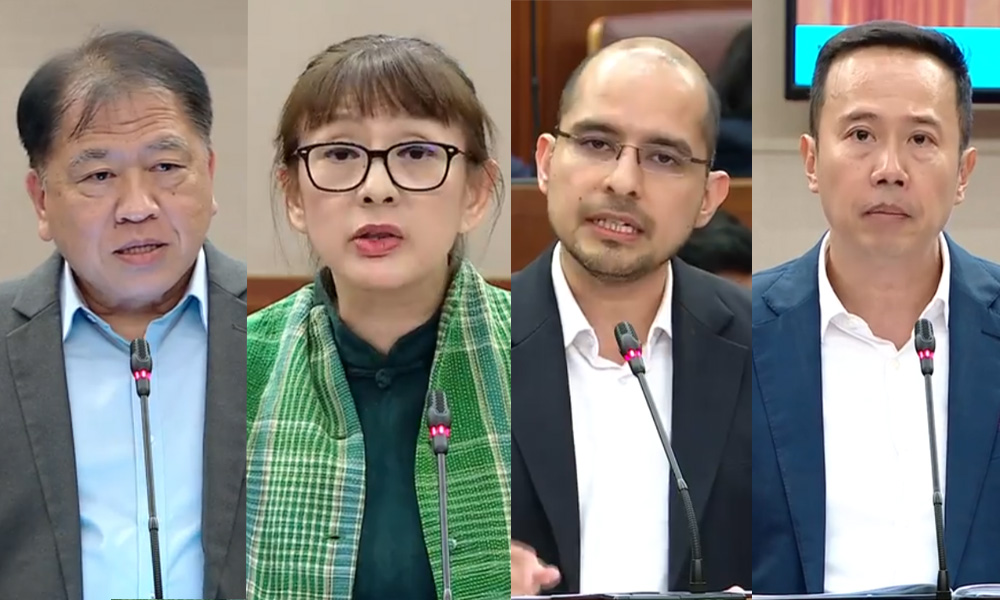
During the parliamentary session on 14 October, NCMP Leong Mun Wai expressed shock over NTUC Enterprise's plan for capital extraction, a key aspect of the Allianz deal. He criticised the lack of transparency and stated that such information should have been made public from the beginning.


Non-Constituency Member of Parliament (NCMP) Leong Mun Wai expressed his surprise and concern following the government's intervention to block the proposed acquisition of NTUC Income's majority shares by German insurer Allianz.
The deal, announced on 17 July 2024, would have allowed Allianz to acquire a 51% majority stake in the Singapore-based insurer.
However, concerns about NTUC Income’s ability to uphold its social mission triggered a public outcry, with prominent voices speaking out against the transaction.
In his 14 October 2024 statement to Parliament, Edwin Tong, Singapore’s Minister for Culture, Community, and Youth, explained that the government found the deal “not in the public interest.”
The Ministry of Culture, Community, and Youth (MCCY) had specific concerns regarding its impact on NTUC Income and the broader cooperative movement in Singapore.
One of MCCY’s primary issues was the capital reduction proposed in the transaction, which contradicted earlier representations made during NTUC Income’s 2022 corporatisation.
Minister Tong noted that when NTUC Income transitioned from a co-op to a corporate entity, it carried over S$2 billion in surplus with the understanding that it would bolster its financial strength.
The proposed capital extraction contradicted this objective, casting doubt on NTUC Income's long-term ability to fulfil its social role.
“If not for the ministerial exemption in 2023, NTUC Income’s accumulated surplus of some S$2 billion would have gone to the Co-operative Societies Liquidation Account (CSLA) to benefit Singapore’s co-op movement,” said Tong, adding that MCCY saw no concrete plans to safeguard this sum for social purposes in the current deal.
NCMP Leong voiced his shock over the disclosure of the capital extraction plan, a key aspect of the deal that had not been made public.
The Progress Singapore Party NCMP called for greater transparency in financial transactions, saying, “This information should be available to all Singaporeans.”
He added, “For months, we believed the provided information was complete, only to discover the capital extraction plan now. This is a crucial condition in any financial deal, and it was not disclosed to the public when we discussed the deal.”
Mr Leong pressed for accountability, asking who was responsible for withholding this critical information and whether the government would take steps to address the oversight.
He stressed the importance of transparency, particularly in transactions involving organisations with social missions, like NTUC Income.
Mr. Chee Hong Tat, Second Minister for Finance and Deputy Chairman of the Monetary Authority of Singapore (MAS) Board of Directors, emphasised that the proposed capital reduction was initiated by Allianz and had yet to receive approval from MAS.
He noted that it is standard practice for regulators to evaluate all aspects of a proposal before reaching a conclusion.
Mr. Chee reassured Parliament that discussions and concerns regarding the capital reduction had been communicated transparently. He referenced Minister Tong's earlier speech, which outlined the key considerations behind the government's concerns, particularly regarding the potential impact on NTUC Income’s social mission.
In response to Mr. Leong, Minister Tong urged him not to mischaracterise the situation and reiterated that the government had been transparent in its assessment of the transaction.
Government's Response and Minister Tong’s Position
Minister Tong said the government’s decision to block the transaction was unrelated to Allianz’s standing as a buyer but focused on the structure of the deal.
The government was concerned about the lack of safeguards ensuring that NTUC Income could continue fulfilling its social mission. While NTUC Enterprise had committed to maintaining this mission, the MCCY remained unconvinced that such commitments were backed by legally binding provisions.
Minister Tong also revealed that after the transaction, NTUC Enterprise would have become a minority shareholder, with limited influence on NTUC Income’s future direction, holding fewer board seats and losing its ability to appoint the chairman. Though these factors alone did not trigger government opposition, combined with the capital extraction and lack of structural protections, they posed a significant risk.
Minister Tong confirmed that while the government would not allow the current deal to proceed, it remained open to future proposals involving Allianz or other partners if the concerns raised were addressed.
“The government’s view is not that NTUC Income should not seek partnerships or external capital; rather, we must ensure that any deal preserves NTUC Income’s ability to fulfil its social mission and does not undermine the cooperative movement as a whole,” Tong stated.
MAS's Role and Response from Finance Ministry
During the same Parliamentary session, Tanjong Pagar GRC MP Joan Pereira questioned why the Monetary Authority of Singapore (MAS) had not shared Allianz’s capital extraction plan with MCCY earlier, given its significance to the Income-Allianz transaction. This raised further concerns about coordination between government agencies overseeing critical financial transactions.
Responding to Pereira’s query, Minister Chee explained that MAS had received the capital extraction proposal in mid-July 2024. At that time, MAS was primarily focused on Allianz’s financial strength and ensuring protection for NTUC Income’s policyholders. MAS did not immediately see the relevance of the capital reduction to MCCY’s earlier decision to grant NTUC Income an exemption during its corporatisation.
It was only after the 6 August 2024 Parliamentary session that MAS identified potential implications for MCCY’s oversight of NTUC Income. Minister Chee added that regulatory information gathered by MAS is typically shared with other government agencies only when necessary. The decision to inform MCCY was made once the broader implications became clear.
Public Outcry and Concerns
The controversy surrounding the deal largely revolved around concerns that Allianz, as a multinational corporation, would not be aligned with NTUC Income’s mission to serve the needs of lower-income Singaporeans.
NTUC Income was established with a clear mandate to provide affordable insurance options, especially for those in the labour movement and the lower-income segments of society.
Several prominent voices spoke out against the transaction.
Former NTUC Income CEO Tan Kin Lian expressed concerns about the potential shift in NTUC Income’s priorities, stating that the proposed deal could undermine its original purpose.
Similarly, ambassador-at-large Tommy Koh and former Group CEO of NTUC Enterprise Tan Suee Chieh voiced their opposition.
Mr Tan Suee Chieh went as far as to call the deal a “breach of good faith” and urged government regulators to intervene.
The key fear was that Allianz’s corporate objectives, which are driven by profit motives typical of global insurers, would lead to a reduction in NTUC Income’s commitment to affordable and accessible insurance for Singapore’s working class.
There were worries that under Allianz’s ownership, insurance premiums could increase, pricing out low-income individuals who depend on NTUC Income’s services.
NTUC Income, Singapore’s one and only insurance co-operative, was corporatised in 2022 into Income Insurance Limited “to achieve operational flexibility and gain access to strategic growth options to compete on an equal footing with other insurers locally and regionally”.
Shareholders were assured at the 2022 annual general meeting that NTUC Enterprise will continue to be the majority shareholder of the new company post-corporatisation.