Government forms work group to tackle illegal delivery work by foreigners, protect local platform workers
A trilateral work group including the Government, NTUC, and Grab has been formed to address the impact of foreigners illegally taking up delivery jobs in Singapore, following concerns about reduced earnings and unfair competition faced by local platform workers.
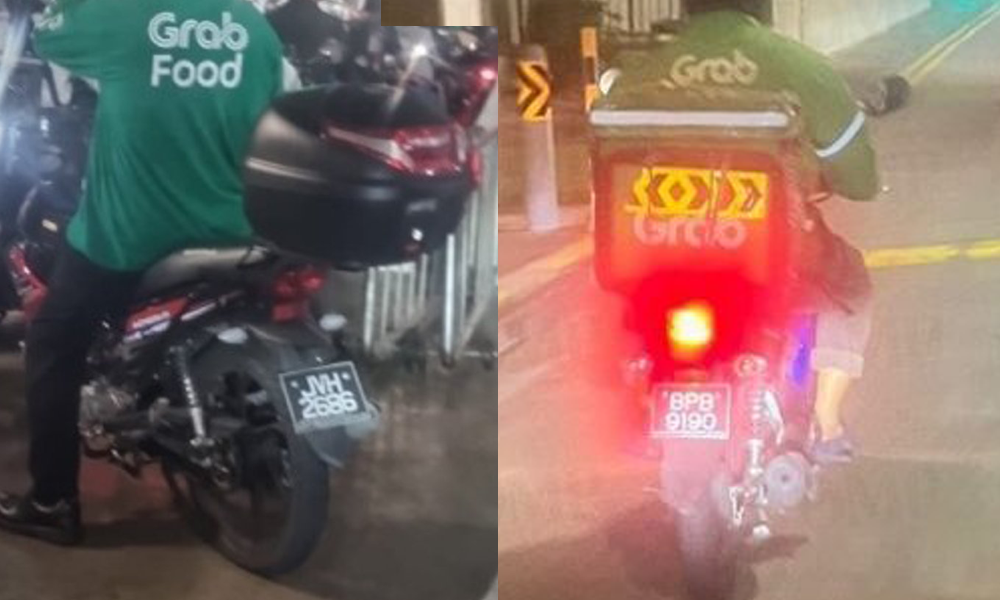

A trilateral work group has been established by the Singapore Government to address the growing problem of foreigners illegally undertaking delivery work and adversely affecting the earnings of local platform workers. This decision follows a call by the labour movement for decisive action to protect workers in the sector.
According to a joint statement on 4 July 2025 by the Ministry of Manpower (MOM) and Ministry of Transport (MOT), the new work group includes representatives from MOM, MOT, Grab Singapore, and the National Trades Union Congress (NTUC) along with its affiliated associations.
The group will be overseen by Senior Minister of State for Health and Manpower Koh Poh Koon, Senior Minister of State for National Development and Transport Sun Xueling, NTUC secretary-general Ng Chee Meng, and Grab’s group managing director of operations Yee Wee Tang.
This move comes shortly after Ng Chee Meng urged the Government on 4 July 2025 to form such a group to address illegal practices and other pressing challenges faced by platform workers. These workers include private-hire drivers with companies such as Grab and Gojek, as well as delivery riders serving platforms like GrabFood, foodpanda, and Deliveroo.
Ng highlighted the vulnerabilities of platform workers, noting that their earnings are already unstable and further compromised by illegal competition. He stated, “Our platform workers are vulnerable, as they face a variety of challenges in making a living. It is not right that they suffer from reduced earnings due to competition from illegal workers.”
NTUC reported that, through its regular engagement sessions, it has received consistent feedback about foreigners taking up delivery work illegally. NTUC explained that some foreigners misuse accounts to directly secure delivery jobs on various platforms, which is prohibited as such work is reserved for Singaporeans.
While platform operators are permitted to outsource delivery services to other firms employing foreign workers with valid work permits, NTUC pointed out that some foreigners perform these jobs illegally without the necessary permits. This practice not only violates regulations but also creates unfair competition for local delivery workers.
Beyond illegal work, platform workers are grappling with income instability, largely due to a lack of transparency in job allocation and earnings, which are governed by opaque algorithms. NTUC noted that incentive structures encouraging extended working hours can lead to safety risks, further exacerbating the precarious nature of platform work.
Additionally, unauthorised ride-hailing services operating through messaging apps like Telegram have emerged, further affecting the income of private-hire drivers. These illegal services divert potential earnings away from drivers working on regulated platforms, undermining the viability of their work.
MOM and MOT stated that the newly formed work group aims to holistically address these challenges and safeguard the welfare of platform workers amid the rapid evolution of the platform economy.
They emphasised the importance of a collaborative approach involving all stakeholders.
The ministries also underscored the proactive involvement of Grab Singapore, describing it as a strong indication of the platform operators’ commitment to resolving key issues faced by workers.
They noted that additional platform operators may be included in future discussions to widen the initiative’s impact.