Workers’ Party hits back at PAP over podcast criticisms, accuses it of “opposing for the sake of opposing”
The Workers’ Party has issued a robust rebuttal to the PAP’s formal statement and Petir article criticising Pritam Singh’s appearance on a Malaysian podcast, accusing the ruling party of “opposing for the sake of opposing” and rejecting claims of compromising Singapore’s national interests.

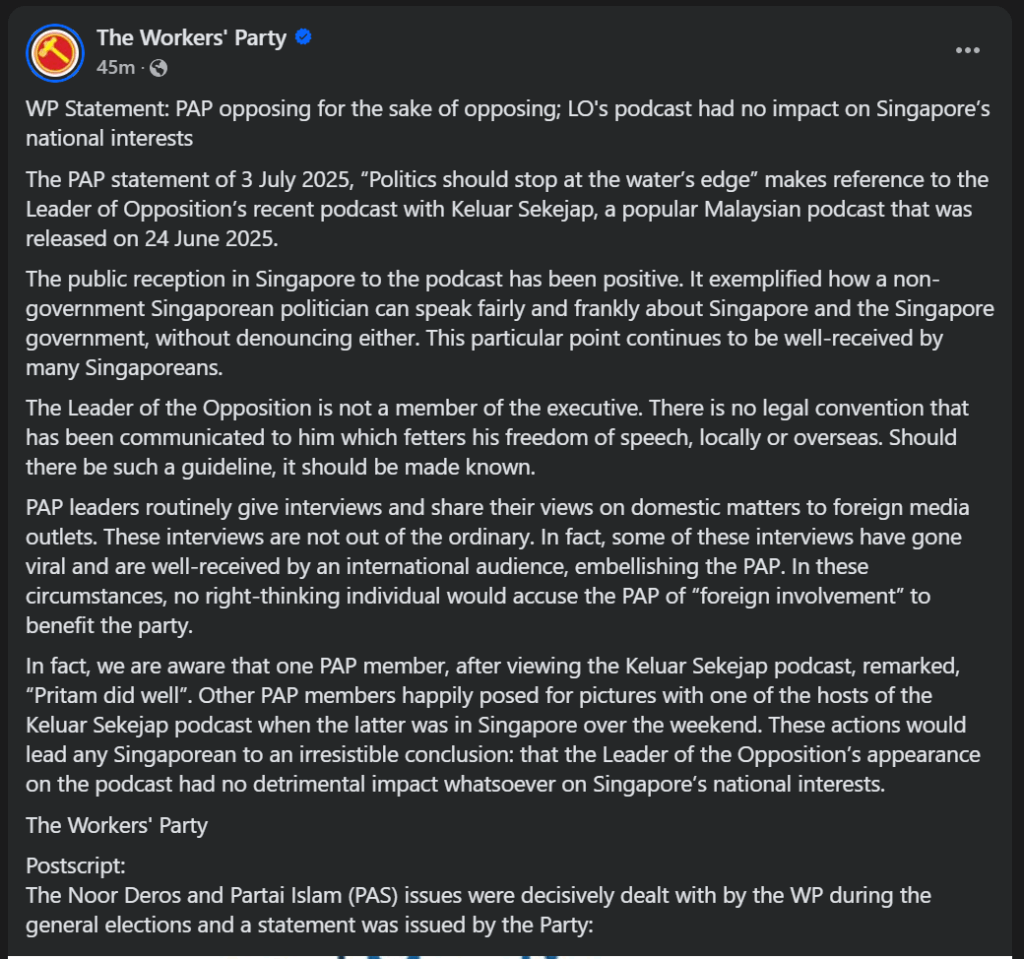
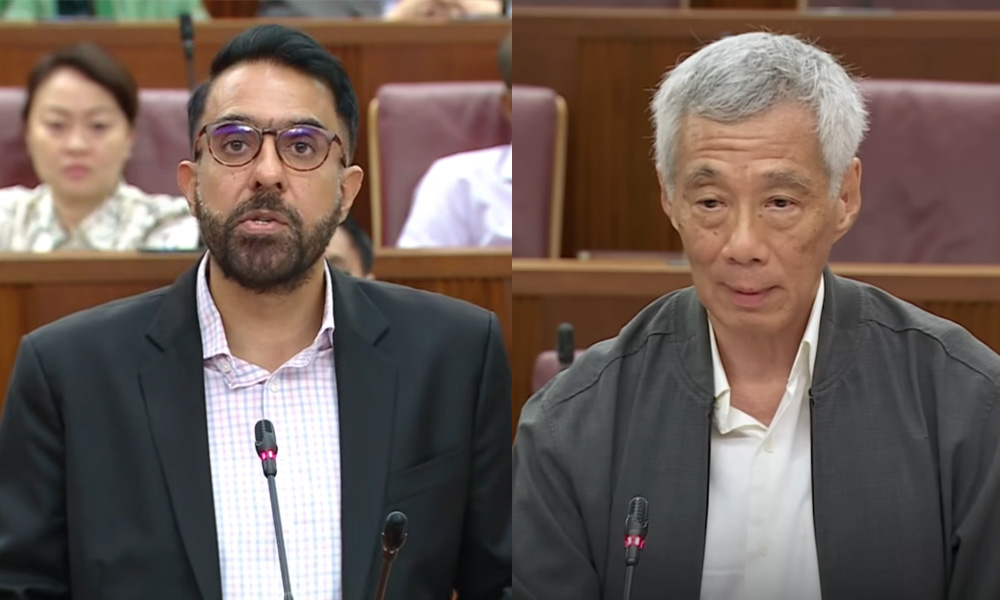
The Workers’ Party (WP) has delivered a forceful rebuttal to the People’s Action Party’s (PAP) recent criticisms of Leader of the Opposition Pritam Singh, accusing the ruling party of “opposing for the sake of opposing” in a statement released on 3 July 2025.
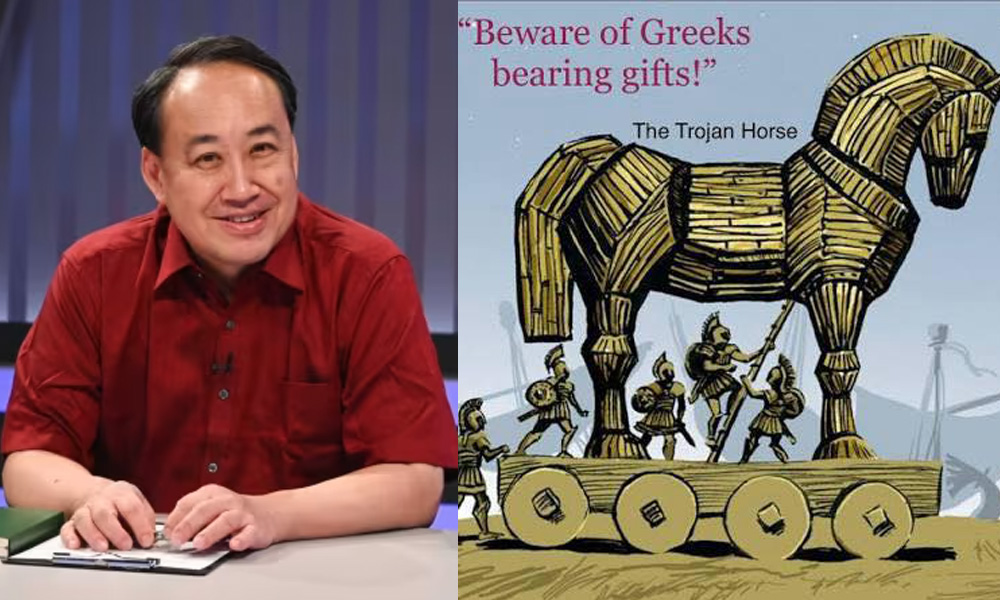
The WP’s sharp response came after a series of escalating attacks by the PAP and its publication, Petir. The debate began with Petir’s article published on 30 June 2025, which criticised Singh’s decision to appear on the Malaysian podcast Keluar Sekejap rather than on a local platform.
During the Keluar Sekejap podcast on 24 June 2025, Singh firmly stated that he had no intention of becoming Prime Minister, describing his mission instead as “normalising the idea of an opposition in Singapore.”
He explained that his goal was to build a credible and prepared alternative force, which he described as essential “insurance” for Singapore in case the ruling People’s Action Party (PAP) ever faced a serious setback.
Singh also rejected suggestions that the Workers’ Party (WP) lacked ambition, emphasising that there were no “safe seats” for the opposition and that contesting elections in Singapore requires long-term commitment and serious ground engagement.
He cautioned against bold slogans or positioning oneself as a “Prime Minister in waiting” without strong public demand, describing such moves as risky “gambles” that do not work well in Singapore politics.
Petir described Singh’s choice as “strange” and suggested it was a deliberate move to air domestic political issues on foreign soil.
It questioned why Singh, who had declined invitations from local podcasts, would choose to speak extensively to a foreign audience, implying this undermined the principle that domestic affairs should be debated within Singapore.
Citing former opposition leader Chiam See Tong, Petir argued that opposition politicians should be “good patriotic Singaporeans” and avoid “denouncing Singapore” abroad.
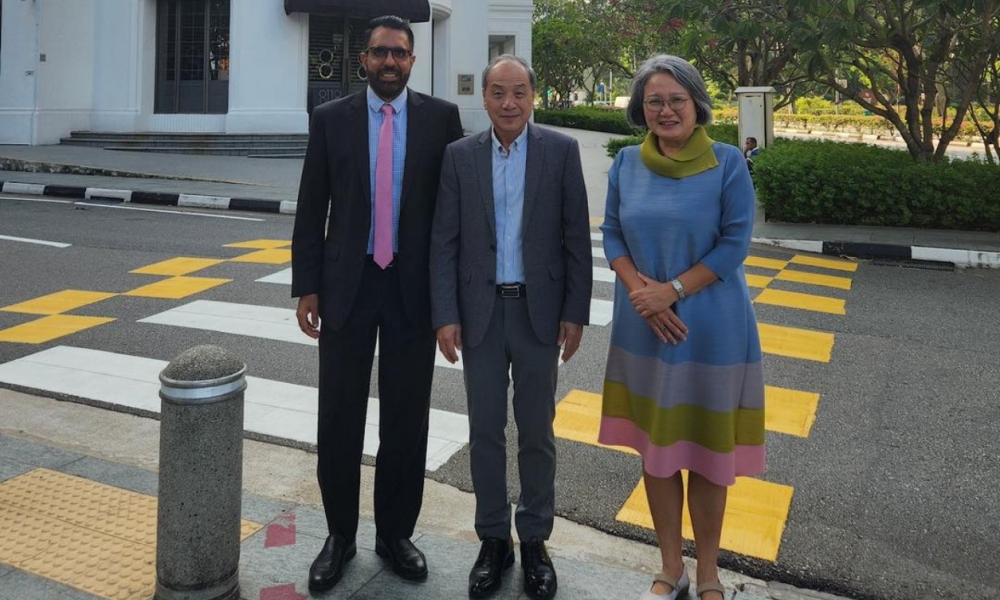
It also highlighted previous controversies, including an alleged meeting between WP members led by Faisal Manap and Malaysian religious figure Noor Deros.
Petir claimed the WP had never fully disclosed what transpired in that meeting and questioned why Deros subsequently endorsed WP candidates during the 2025 general election.
It further criticised WP candidate Harpreet Singh for allegedly making false claims about the PAP’s stance on a minority Prime Minister and accused the WP of staying silent on racially charged endorsements from Parti Islam Se-Malaysia (PAS) politicians during the campaign.
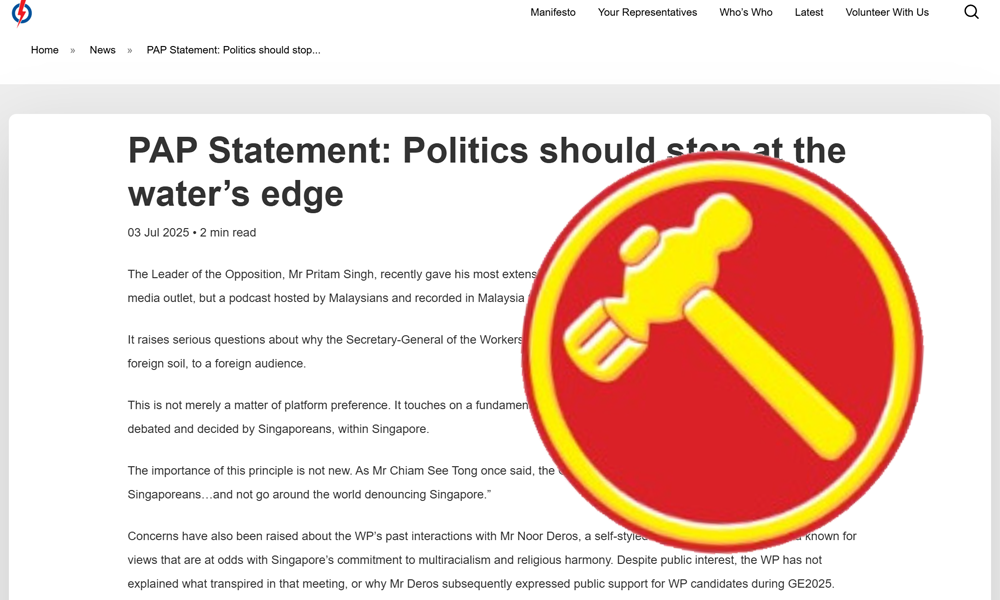
Building on Petir’s criticisms, the PAP issued an official statement on 3 July 2025 titled “Politics should stop at the water’s edge”.
The statement argued that Singh’s appearance raised “serious questions” about his judgment and commitment to national interests, stating that Singapore’s domestic politics should be debated and decided by Singaporeans within the country.
The PAP noted that Singapore and Malaysia share close historical ties but emphasised the importance of respecting sovereignty and refraining from using each other’s media to shape domestic opinion
The statement recalled lessons from the racial unrest of the 1960s and warned against allowing foreign influence to shape Singapore’s political landscape.
In its rebuttal, the WP firmly rejected these accusations. It argued that public reception to Singh’s podcast appearance had been “positive”, with many Singaporeans appreciating his candid and fair views.
The party stressed that Singh did not denounce Singapore or its government, but instead engaged in a transparent exchange on issues of public interest.
The WP underscored that Singh, as Leader of the Opposition, is not part of the executive branch and thus not subject to the same diplomatic conventions as government ministers.
It stated that no legal or formal guidelines have ever been communicated to Singh restricting him from speaking on overseas platforms.
Highlighting what it called a “double standard”, the WP pointed out that PAP leaders have frequently granted interviews to foreign media outlets and discussed domestic affairs without facing similar criticism.
The party noted that these interviews have at times gone viral internationally, helping to enhance the PAP’s global image rather than undermining national interests.
The WP revealed that one PAP member had even remarked privately after watching the podcast that “Pritam did well”, suggesting a stark contrast between private sentiments and public attacks.
Additionally, some PAP members were seen posing for photos with one of the Keluar Sekejap hosts during a recent visit to Singapore, further indicating no genuine concern over national security or sovereignty.
“These actions would lead any Singaporean to an irresistible conclusion: that the Leader of the Opposition’s appearance on the podcast had no detrimental impact whatsoever on Singapore’s national interests,” the WP declared.
Addressing the controversy over Noor Deros, the WP reaffirmed that it had thoroughly addressed this issue during the general election and had issued a public statement clarifying that no promises were made to Deros.
Furthermore, Deros himself had clarified on 26 April 2025 that his comments had been misinterpreted and that no agreements were made.
On the criticism of Harpreet Singh, the WP maintained that his comments regarding a minority Prime Minister reflected public perceptions shaped by certain statements, rather than an attack on the PAP’s official position.
Harpreet had also encouraged the public to view his comments in full context, which the WP insisted was critical to understanding his intent.
The WP refuted suggestions that it condoned foreign interference, reiterating its longstanding position against the use of race and religion in politics.
It stressed that it had promptly clarified its stance when foreign endorsements surfaced during the election and firmly rejected any external influence on Singapore’s democratic process.
In closing, the WP called on the PAP to engage in “reasoned and constructive debate” rather than reviving past controversies or making baseless allegations for political advantage.
The party reaffirmed its commitment to transparency, openness, and responsible political engagement both within Singapore and abroad.