CBA faces scrutiny over S$8,600 monthly rental demand for space outside Chinatown coffeeshop
The Chinatown Business Association is under fire after demanding over S$77,000 in unpaid rent from Nanyang Old Coffee for using a narrow walkway. Former F&B owner Khoo Keat Hwee questioned the S$8,600 monthly charge, warning that lawsuits and empty units won’t rejuvenate the area, only people, culture, and food will.
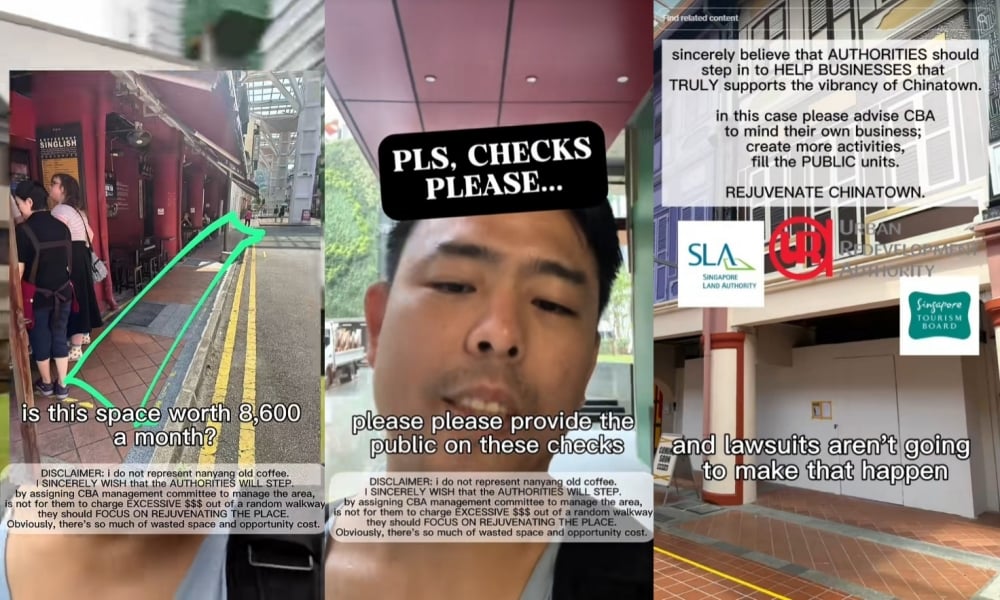

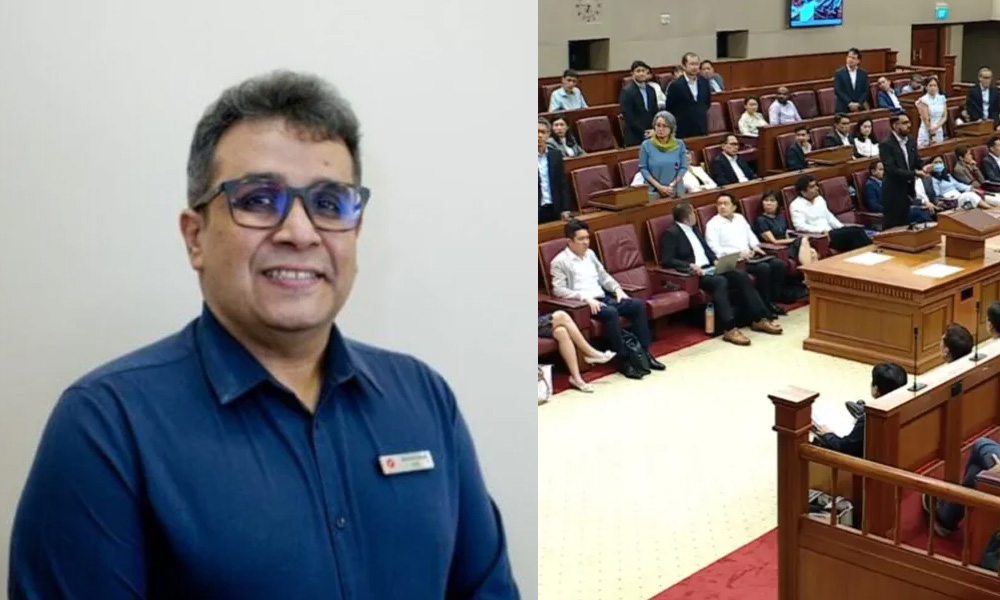
The Chinatown Business Association (CBA) has come under public scrutiny after issuing a legal notice demanding more than S$77,000 in unpaid rent, plus S$5,500 in legal fees, from Nanyang Old Coffee. The sum covers nine months of outdoor space usage and has sparked widespread debate over its justification. Khoo Keat Hwee, 38‑year‑old founder of Mentai‑Ya Japanese Cuisine and an F&B consultant, in a TikTok video questioned whether the narrow pedestrian walkway outside the shop is worth S$8,600 per month.
Background to rental dispute
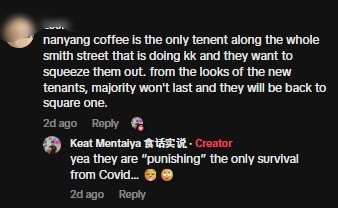
In August 2024, CBA secured a master tenant contract for the Smith Street precinct, paying S$123,000 monthly. This grant includes management rights over 13 shophouses and the adjacent pedestrian walkways, but not privately owned premises such as that of Nanyang Old Coffee. Despite this, CBA claims the sheltered walkway outside the café is part of the managed pedestrian area, and insists usage requires rent, which it has set at S$8,600 per month. The total claim of S$77,724.18 covers from October 1, 2024, to June 2025; with legal fees added, CBA is seeking over S$83,000. A case conference was held in the State Courts on 26 June, as both parties attempted to resolve the dispute.“Is this space worth like 8,600 a month?”
In the TikTok video, Khoo asked: “Is this space worth like 8,600 a month?” He raised concerns over CBA's priorities, asking why it is targeting a 65-square-foot space outside one café when it oversees some 30,000 square feet of pedestrian area. He pressed government agencies—SLA and URA—to demand that CBA reveal its efforts in promoting Smith Street, how many units remain vacant, what profits it has earned as a non‑profit, and even how much its directors are being paid.Empty units cast doubt
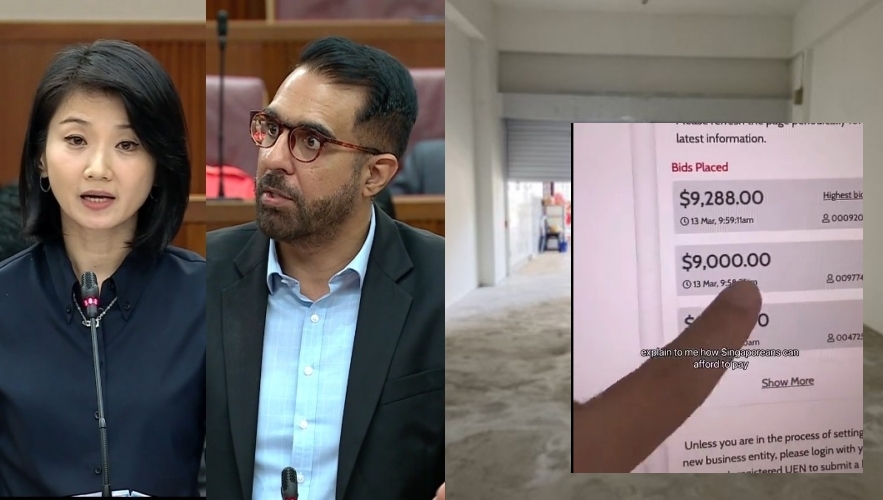
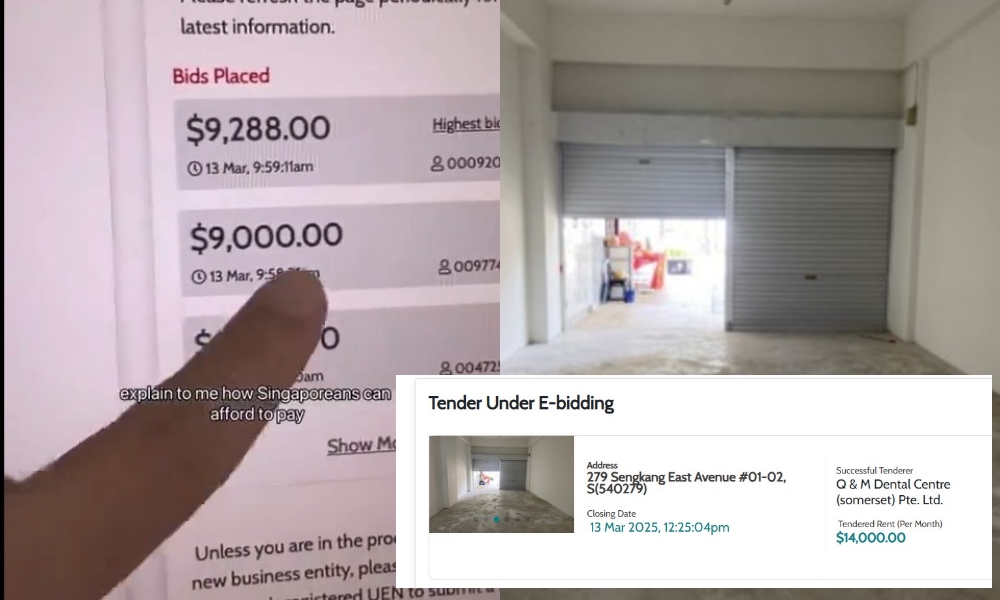
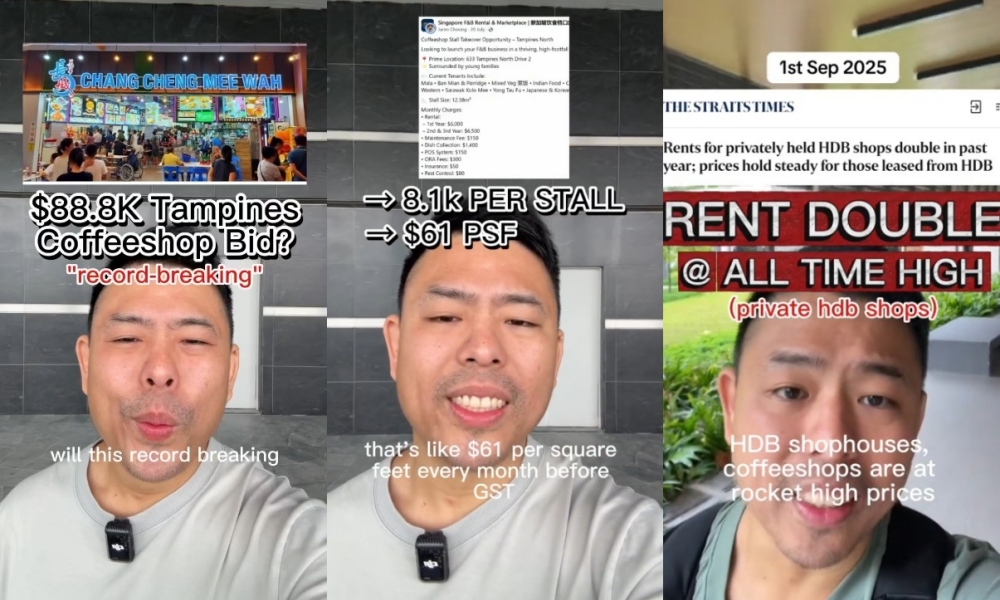
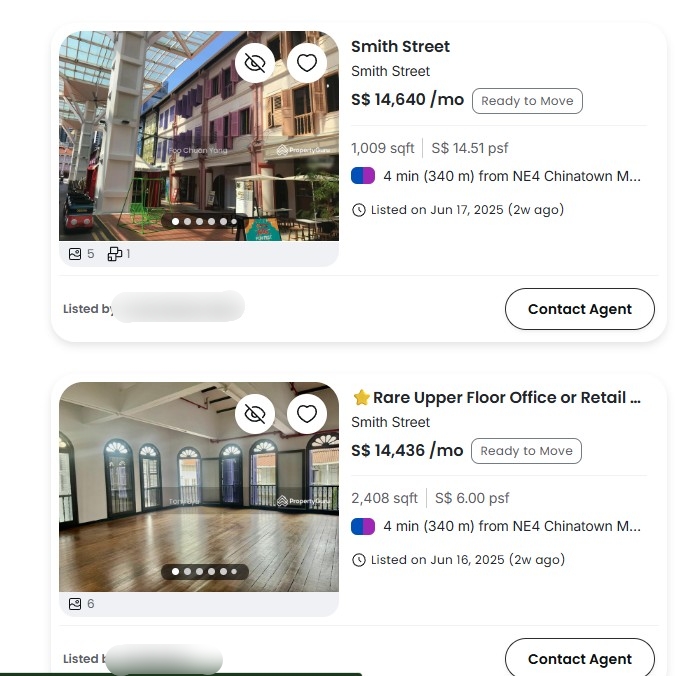
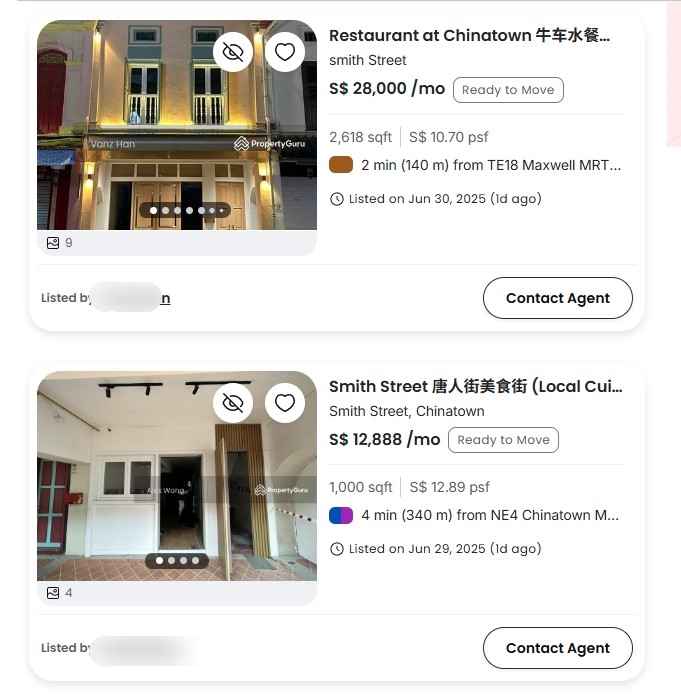
In a follow-up TikTok, Khoo highlighted that most walkways outside the CBA-managed shophouses remain empty. He described the street as quiet, with many units sitting vacant for months. According to him, retail rents influence F&B prices across Singapore, and these high costs hinder the attraction of new tenants. Khoo lamented: “If these public commercial units aren't reducing rental rates, then why would private landlords reduce? Does or doesn't rental rates affect food prices in Singapore?” He questioned the logic behind converting prime ground‑floor units into offices when upper‑floor rent is about half that of street‑front units. A search on CommercialGuru advertisement list shows a wide rental range: shop‑lot units on Smith Street can command from S$3,000 to over S$28,000, while upper‑floor units may range from S$3,800 to around S$14,000.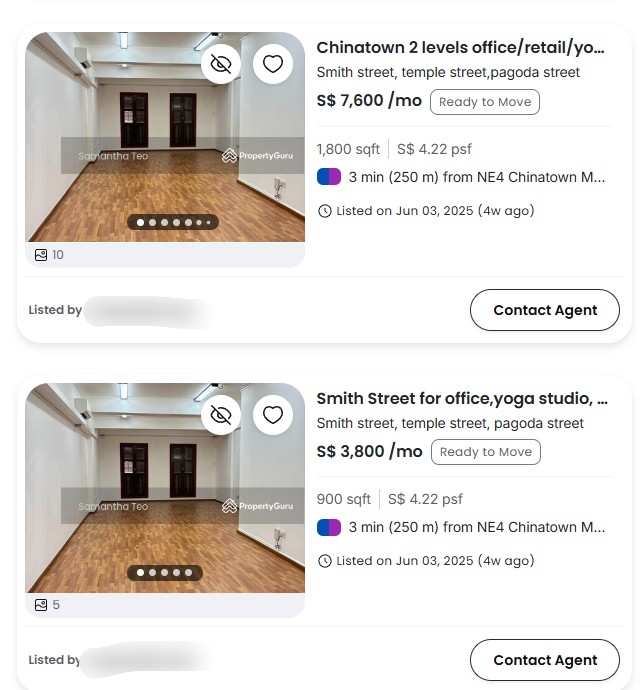
Khoo: Empty units and lawsuits will not rejuvenate Smith Street
Khoo further defended Nanyang Old Coffee as a cultural anchor, saying it resembles a “mini museum” that offers S$3 kopi and S$8 lunches, while preserving local coffee heritage. He praised the owners for investing in décor and displays “so people have something to see, to feel,” which keeps the street alive—unlike the many empty shophouses nearby. “We keep saying rejuvenate Smith Street but empty units and lawsuits aren’t going to make that happen,” he said. He noted that it is the people, culture, stories and food that bring heritage to life—not legal notices or empty facades.Public voices lament decline of Chinatown’s soul amid rent pressures and empty units
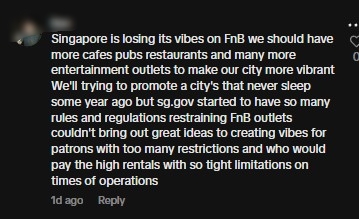
Khoo’s videos struck a chord with the public, garnering strong support in the comments. One user wrote, “Something is horribly wrong when there are hardly any restaurants there… rentals are too high.”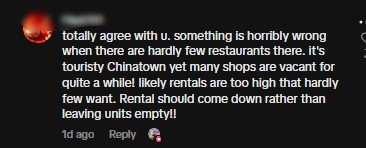 Several lamented the loss of vibrancy in Singapore’s F&B scene and called for a city that “never sleeps”—but cited high rents and tight restrictions as barriers to creativity and nightlife.
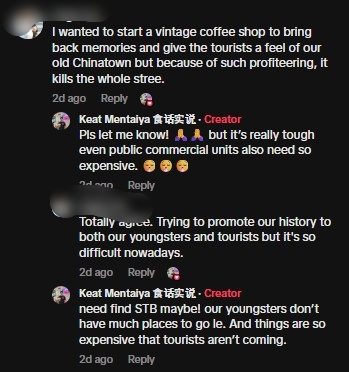
 A TikTok user shared that he had plans to start a vintage coffee shop to revive old Chinatown memories and offer tourists an authentic experience.
However, he lamented that such profiteering practices have “killed the whole street,” discouraging efforts to preserve cultural charm.
A TikTok user shared that he had plans to start a vintage coffee shop to revive old Chinatown memories and offer tourists an authentic experience.
However, he lamented that such profiteering practices have “killed the whole street,” discouraging efforts to preserve cultural charm.
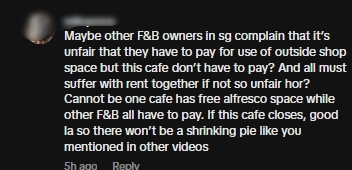
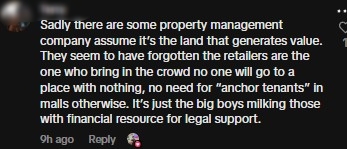 While a comment suggested that some F&B owners in Singapore may view it as unfair if they are required to pay for using outdoor space while this café is not.
The user argued that all businesses should bear rental costs equally, adding that if the café closes, it might prevent further division of a limited customer base.
While a comment suggested that some F&B owners in Singapore may view it as unfair if they are required to pay for using outdoor space while this café is not.
The user argued that all businesses should bear rental costs equally, adding that if the café closes, it might prevent further division of a limited customer base.