US vetoes UN Security Council resolution calling for permanent Gaza ceasefire and humanitarian access
The United States has vetoed a UN Security Council resolution demanding an immediate, unconditional, and permanent ceasefire in Gaza, blocking a draft backed by 14 other Council members amid worsening humanitarian conditions and international calls for urgent action.
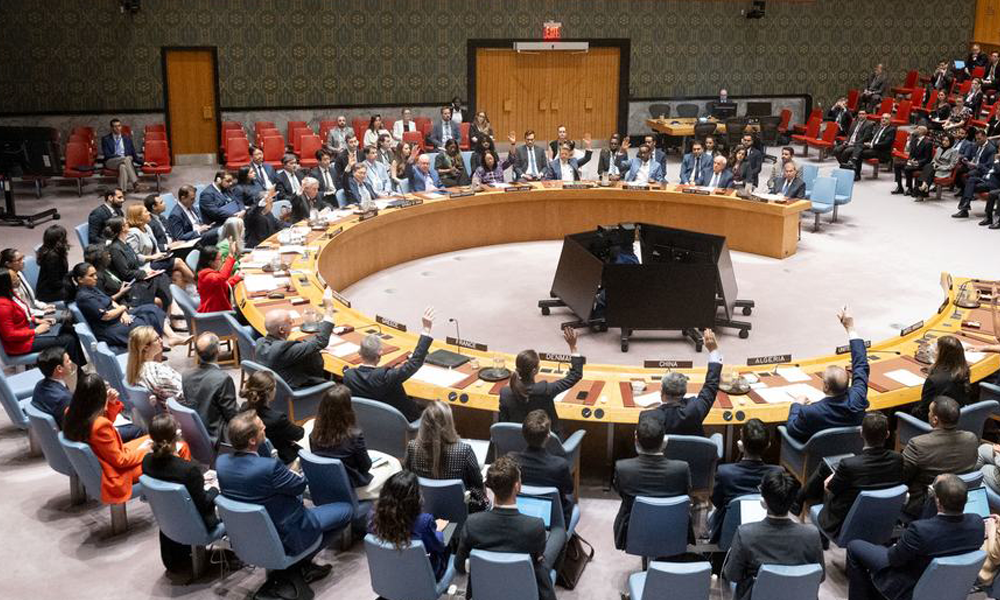

Fourteen out of fifteen members of the United Nations Security Council (UNSC) voted on 5 June 2025 in favour of a draft resolution demanding an immediate and permanent ceasefire in Gaza.
However, the resolution was ultimately blocked by the United States, which exercised its veto power as a permanent member.
The draft text, co-sponsored by ten elected Council members – Algeria, Denmark, Greece, Guyana, Pakistan, Panama, the Republic of Korea, Sierra Leone, Slovenia, and Somalia – known collectively as the E-10, included a demand for an “immediate, unconditional and permanent ceasefire in Gaza,” the release of all hostages, and the lifting of humanitarian restrictions.
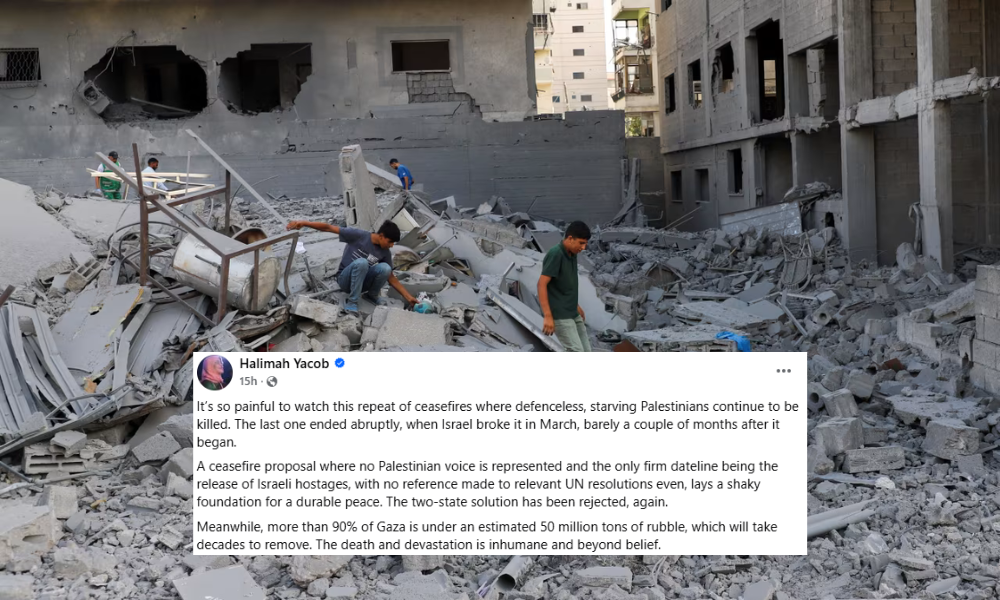
The resolution highlighted deep concern over Gaza’s worsening humanitarian crisis, referencing international assessments warning of widespread famine and catastrophic living conditions following more than eight months of near-total Israeli aid blockade.
It further demanded the removal of restrictions on aid access and the restoration of essential services across the Gaza Strip. The resolution also backed mediation efforts led by Egypt, Qatar, and the US itself, under the framework of Security Council Resolution 2735 (2024).
However, the US vote against the resolution overrode the majority support. Acting US Ambassador Dorothy Shea stated the draft was "unacceptable" for omitting direct condemnation of Hamas and for its perceived imbalance in attributing responsibility for the conflict.
“The United States has been clear – we would not support any measure that fails to condemn Hamas and does not call for Hamas to disarm and leave Gaza,” Shea said.
She noted that Hamas had rejected several ceasefire proposals, including one offered just days earlier.
Shea asserted that the resolution’s adoption would "reward intransigence" and argued it could derail sensitive ongoing negotiations aimed at ending hostilities and securing the release of remaining hostages.
In contrast, the United Kingdom, France, and other Council members supported the resolution, citing the severe humanitarian consequences of continued hostilities.
UK Ambassador Barbara Woodward said Britain voted in favour because “the intolerable situation in Gaza needs to end.” She urged Israel to allow aid into the enclave and “let the UN and humanitarians do their job to save lives, reduce suffering and maintain dignity.”
Human rights organisations and some UN officials have referred to the situation in Gaza as a "genocide" and warned of systemic famine. According to the UN, more than two million people are now at imminent risk of starvation.
International concern has escalated over the new, privatised aid distribution mechanism in Gaza, now run by the Gaza Humanitarian Foundation (GHF) – a US- and Israel-supported group.
The GHF has taken over operations from traditional UN agencies, amid accusations that aid delivery has become militarised and increasingly dangerous for civilians.
Deadly incidents have occurred around GHF distribution points, prompting fears over both the efficacy and safety of the current system.
UN relief chief Tom Fletcher said, “The world is watching, day after day, horrifying scenes of Palestinians being shot, wounded or killed in Gaza while simply trying to eat.”
The conflict in Gaza began on 7 October 2023 when Hamas launched attacks that killed approximately 1,200 people in Israel and took 251 hostages. Israel’s military response has resulted in significant destruction and casualties.
According to Gaza’s health ministry, more than 54,000 people have been killed since the conflict began, with 4,201 deaths reported since 18 March 2025, when Israel resumed major offensive operations.
The blocked resolution marks yet another attempt by the international community to halt the violence in Gaza through the UN framework.
Previous ceasefire proposals have repeatedly failed due to Security Council divisions, with the US consistently vetoing measures it sees as unfairly critical of Israel or insufficiently focused on Hamas.