NSP withdraws from Sembawang West SMC to avoid multi-cornered fight, citing opposition unity
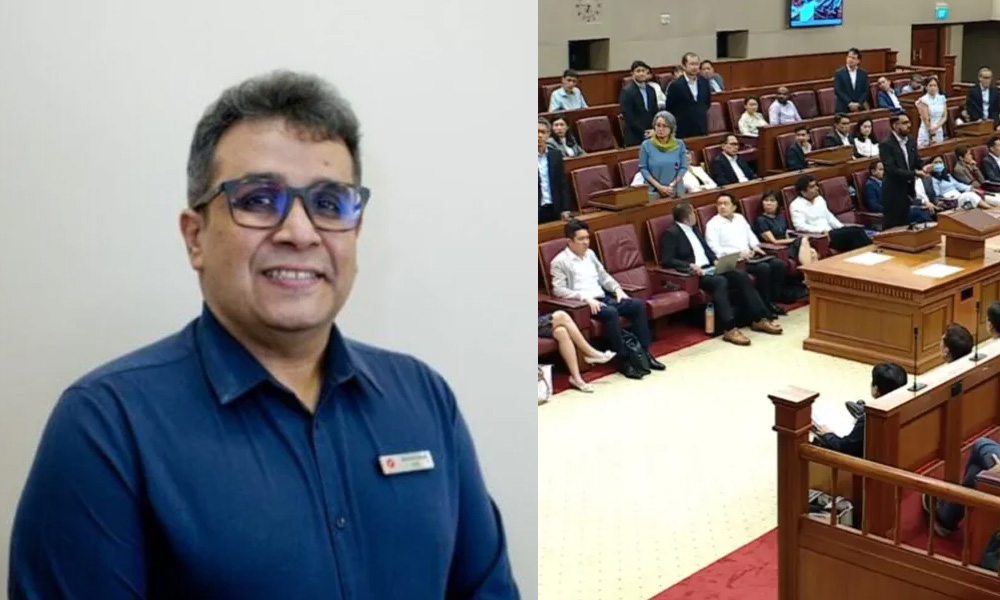
The National Solidarity Party (NSP) has announced its withdrawal from contesting Sembawang West SMC, citing a commitment to opposition unity and allowing the Singapore Democratic Party (SDP) a direct contest against the PAP.


the National Solidarity Party (NSP) has decided to withdraw from the contest in Sembawang West Single Member Constituency (SMC).
The announcement was made on 20 April 2025, just days after the party had initially signalled its intention to contest both Sembawang GRC and Sembawang West SMC.
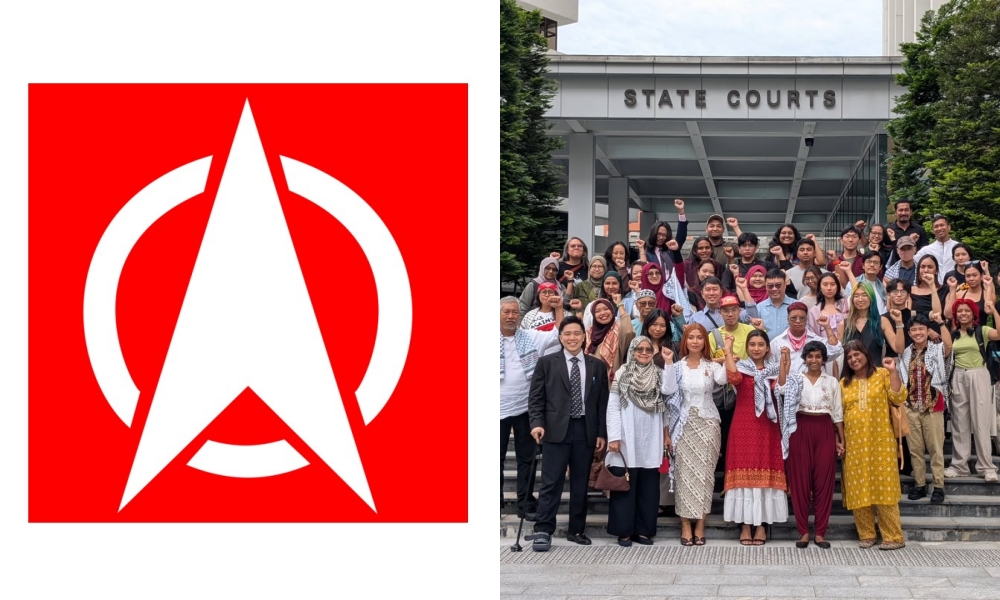
NSP member Kevryn Lim, who contested in the 2015 General Election, described the decision as a "hard but necessary compromise".
In a video statement released on 21 April, she explained that the move was the result of careful deliberation and a commitment to prioritising national interest over partisan considerations.
"After close discussion with our party leadership, I have decided to let Dr Chee contest in Sembawang West SMC directly with the PAP," said Lim, referring to Dr Chee Soon Juan, secretary-general of the Singapore Democratic Party (SDP).
She added, “Opposition unity is not just a nice idea, it’s a necessity.”
The NSP has contested in Sembawang in the past two general elections and had initially declared its intention to do so again in both the GRC and SMC.
However, the overlapping interest in the same constituencies from SDP raised concerns about a possible three-cornered fight, which opposition parties have long warned could split the vote and undermine their efforts.
According to Channel NewsAsia, NSP secretary-general Spencer Ng stated that the party’s withdrawal is not a sign of weakness, but strength.
“We do this not because we are weak, but because we are strong enough to put country before self, unity before ego and progress before position,” he said.
The decision drew strong reactions from members of the public on TOC's Facebook page, with many praising NSP’s move as responsible and commendable.
Among the many responses on Facebook, one user wrote: “Steady lah Kevryn Lim and NSP. Bravos. Now you and NSP gained more respect from many of us ❤️❤️”
Another stated: “Thank you NSP for being so magnanimous in giving way to SDP a direct fight with the Pay-n-Pay Party. We pray and hope the residents of Sembawang West will vote for the SDP into Parliament for their hardwork & sincerity to serve you 🙏”
One comment echoed the strategic view behind the move: “Good, thank you for giving up Sembawang West. Standing together with Sembawang residents means not getting in the way of their votes by being the 3rd party.”
Some responses, however, were more cautious, urging NSP to also reconsider contesting in Sembawang GRC: “Please also give way, otherwise, it is likely Sembawang GRC residents may not forgive you.”
Others reminded readers of historical context in opposition collaboration: “SDP did give way to NSP in the last 2 GEs. Before that it was SDP contesting as opposition in Sembawang in 2006 & 2011. Voters percentage wise SDP performed better.”
Lim also delivered a pointed remark on opposition unity, saying Singaporeans “deserve better” than infighting among opposition parties.
“You deserve a strong, united opposition that puts people first. Not pride, not politics, not party,” she said.
Despite the withdrawal from Sembawang West SMC, NSP reiterated its intention to contest in Sembawang GRC.
Lim assured residents that the party's commitment to the area remains unchanged. “NSP is not going anywhere. We will still be contesting in Sembawang GRC,” she said.
Dr Chee, who initially intended to contest Bukit Batok SMC before its merger into Jurong East-Bukit Batok GRC, will now stand in Sembawang West SMC and field an SDP team in Sembawang GRC.
Responding to NSP’s announcement, he acknowledged their decision and expressed hope that further collaboration could prevent a three-cornered fight in the GRC.
“We’ll try to continue to persuade NSP to rethink its strategy,” Dr Chee said.
“But of course, I can understand they want to contest as well. There are always alternative arrangements.”
Meanwhile, SDP chairman Paul Tambyah had earlier commented that he was “not too troubled” by the lack of agreement with NSP, stating that it is beneficial for residents to have a choice between different visions for Singapore.
This episode underscores the ongoing struggle among opposition parties to balance electoral ambitions with strategic cooperation.
While unity is frequently cited as a priority, actual coordination has often proven difficult in practice.
It is commonly assumed that multi-cornered fights tend to benefit the ruling People’s Action Party (PAP) by splitting the opposition vote.
While this has generally held true, one rare exception is the 2013 Punggol East by-election, where the Workers’ Party (WP) won in a four-cornered contest against the PAP, Reform Party (RP), and Singapore Democratic Alliance (SDA), with the latter two losing their deposits.
Outside of that unique case, most multi-cornered contests have ended with the PAP retaining the seat.
While weaker opposition candidates often fail to make significant electoral gains, their presence in the race can dilute the vote share of stronger opposition contenders, reducing the latter’s chances of success.
This pattern has reinforced the view that strategic coordination among opposition parties remains crucial to mounting credible challenges against the ruling party.
Yet, based on current declarations and early signals from multiple parties, the upcoming General Election may witness the largest number of multi-cornered fights to date — raising concerns that opposition fragmentation could once again work in favour of the incumbent.