Ong Ye Kung: MOH received under 20 complaints on mental health professionals' services since 2022
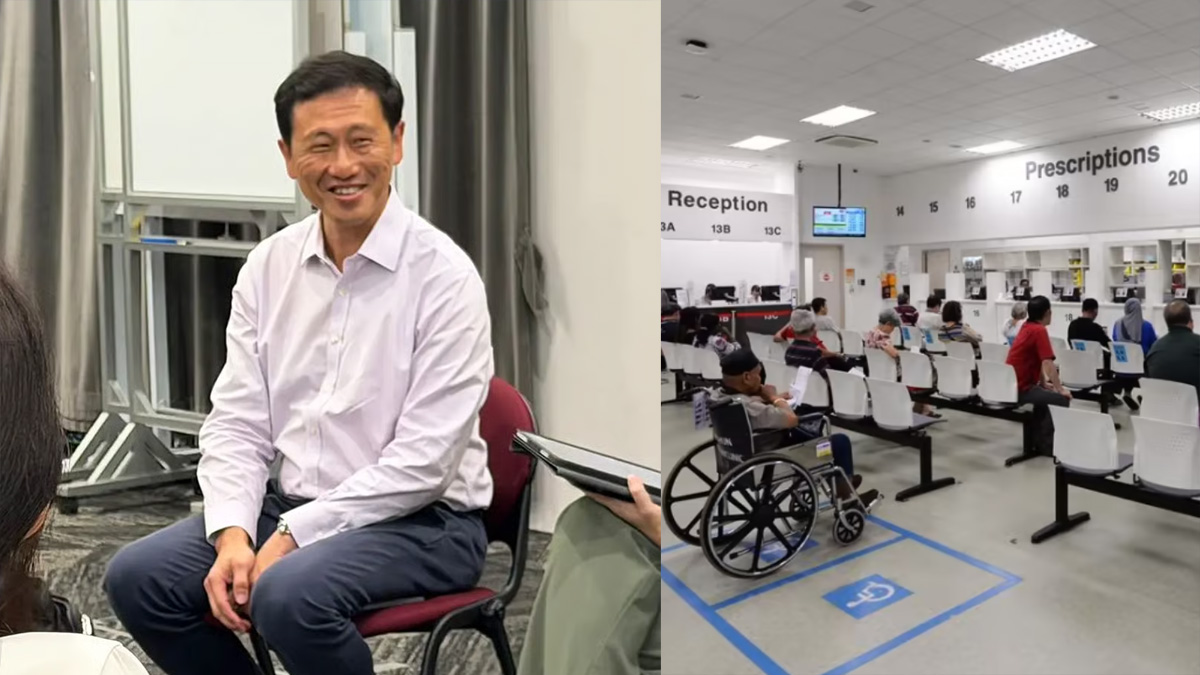
Since 2022, the Ministry of Health (MOH) has received fewer than 20 complaints about mental health services, mainly regarding quality of care, professional standards, and clinical competency. Health Minister Ong Ye Kung addressed these concerns in response to a Parliamentary question by MP He Ting Ru on 8 April.
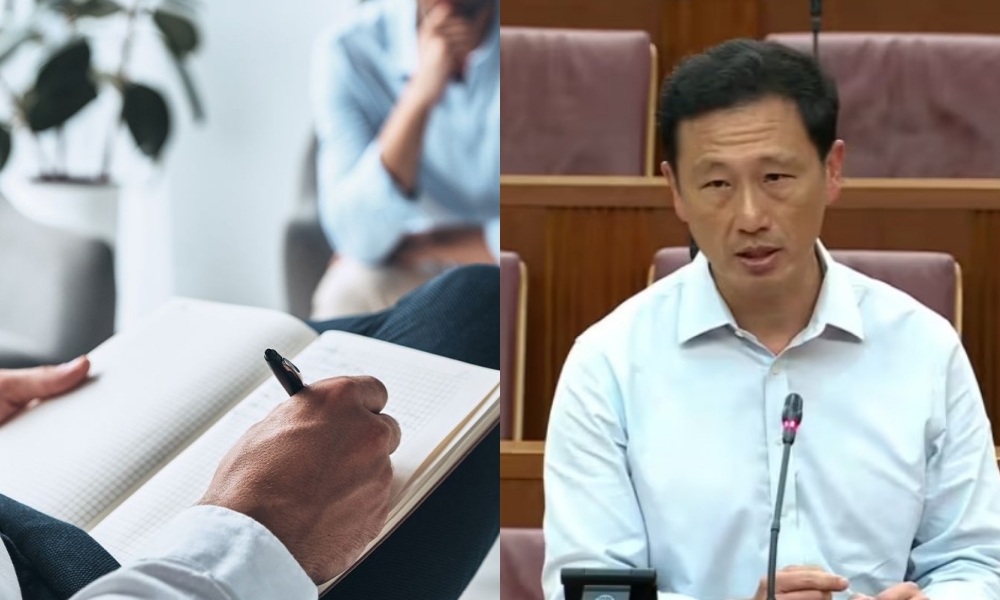

SINGAPORE: The Ministry of Health (MOH) has received fewer than 20 complaints regarding clinical services provided by mental health professionals since 2022, mainly concerning quality of care, professional standards, and clinical competency.
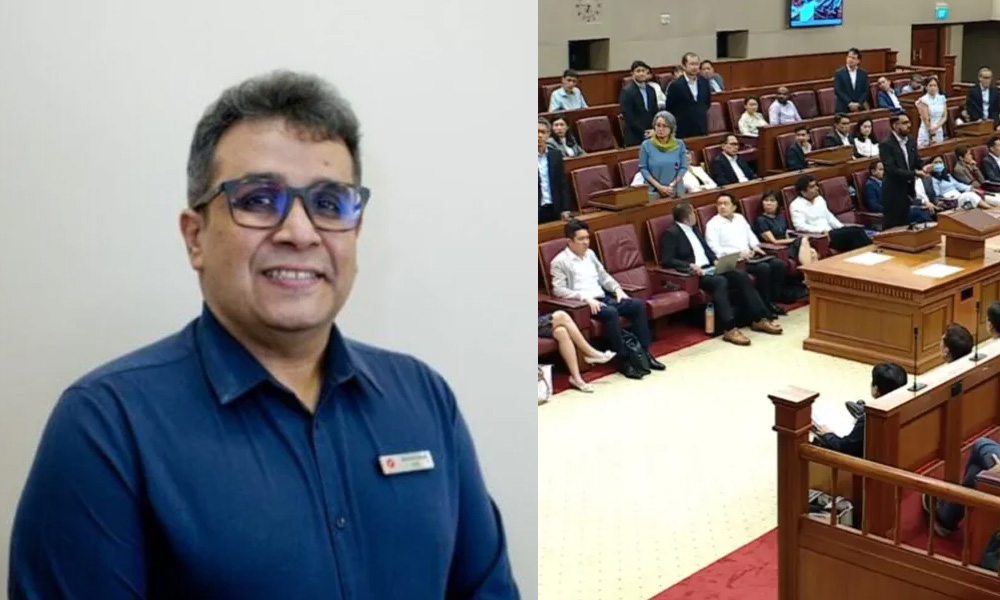
This was revealed by Health Minister Ong Ye Kung in response to a Parliamentary question filed by Workers' Party Member of Parliament (MP) He Ting Ru on 8 April.
The Sengkang GRC MP had asked how many complaints had been lodged with MOH since 2022 regarding the clinical services of mental health professionals, the primary concerns raised, and what steps were being taken to educate the public on available avenues for advice and support should they face issues with mental health services.
In his written reply, Ong explained that members of the public wishing to provide feedback on the services or conduct of mental health professionals can do so via the relevant professional boards or associations, including the Singapore Medical Council, the Singapore Nursing Board, and the Allied Health Professions Council under MOH for occupational therapists.
The Social Work Accreditation and Advisory Board, under the Ministry of Social and Family Development, is also available for feedback on social workers.
Additionally, the Healthcare Services Act, which regulates the provision of mental health services by licensable healthcare service providers, safeguards patient safety and welfare.
The public may also provide feedback directly to MOH regarding these services, Ong added.
MOH investigates 34 complaints of advertising breaches, none related to mental health practitioners
In a separate query, He asked the Minister about alleged breaches of advertising controls under the Healthcare Services Act, particularly with regard to mental health practitioners.
Ong highlighted that the advertising controls, which came into force on 26 June 2023, apply to non-HCSA licensed healthcare service providers and non-registered healthcare professionals.
These controls restrict such providers from advertising treatments for diseases or medical conditions, including the use of the title "Doctor" by non-registered professionals in advertisements—a regulation largely carried over from the Medicines (Advertisement and Sale) Act of 1955.
To date, MOH has received and investigated 34 complaints of alleged breaches of the advertising controls, but none have been related to mental health practitioners, according to Ong.
In March, MOH announced that psychologists in Singapore would soon be required to register in order to practise
Senior Minister of State for Health Dr Janil Puthucheary made the announcement during the Ministry’s Committee of Supply Debate on 7 March, noting that the move was part of ongoing efforts to strengthen mental healthcare services and ensure patient safety.
Dr Janil stated that the registration would focus on psychologists providing direct care, especially those involved in high-risk assessments and interventions.
Currently, psychologists in Singapore can join the Singapore Psychological Society (SPS), which has approximately 700 members, but there is no official registry.
To address this, a committee comprising practitioners, regulators, and service providers from both the public and private sectors has been established to oversee the implementation of the registration framework. Further details will be announced in due course.
He Ting Ru raises alarm over self-proclaimed therapists offering services after minimal training
He, in her COS speech, also raised concerns about the regulation of mental health providers, stressing the need to balance oversight with accessibility.
She acknowledged that regulation could exacerbate the shortage of professionals but argued that it is necessary to protect vulnerable clients from unqualified individuals offering therapy and counselling services.
He referred to recent reports of unqualified counsellors advertising their services on platforms such as Carousell, and raised alarm over unqualified individuals presenting themselves as therapists after completing short online courses or weekend classes.
She noted that such practices put vulnerable clients at risk, as those seeking therapy are often in a highly vulnerable state.
She also called on the government to develop a long-term plan that includes input from professional bodies, ensuring that regulations are neither overly restrictive nor excessively high-barrier, which could hinder accessibility to mental health services.
In response, Dr Janil affirmed that the government is still in the early stages of formulating regulations for mental health professionals.
However, he emphasised the importance of protecting vulnerable individuals from unqualified practitioners.
The licensing framework will primarily target psychologists and professionals involved in high-risk areas, such as diagnosis, pathology, and interventions.
Dr Janil also highlighted the need for public education to help people distinguish between different types of mental health professionals, such as psychologists, psychotherapists, counsellors, and psychiatrists.
He noted existing resources, including websites and helplines, and mentioned that a new hotline would be launched later in the year to help individuals seeking guidance or lodging concerns about their therapy.