Parliament
Singapore to require psychologists to register for practice to enhance mental health standards
Psychologists in Singapore will soon be required to register to practise, as part of efforts to strengthen mental healthcare and ensure patient safety, said Senior Minister of State for Health Dr Janil Puthucheary on Friday (7 March). WP MP He Ting Ru also raised concerns over self-proclaimed “therapists” with minimal training offering services. Dr Janil assured MOH is working on regulations to address these risks and enhance public awareness.

SINGAPORE: Psychologists in Singapore will soon be required to register to practise, as part of the government’s ongoing efforts to strengthen mental healthcare services and ensure patient safety, said Senior Minister of State for Health Dr Janil Puthucheary.
During the Ministry of Health’s Committee of Supply Debate on Friday (7 March), Dr Janil said MOH is working towards registering psychologists in Singapore, focusing on those providing direct care, involving higher-risk assessments and interventions.
This comes amid a growing emphasis on mental health and the increasing presence of psychologists beyond traditional clinical settings.
Currently, psychologists can join the Singapore Psychological Society (SPS), which has about 700 members, but there is no official registry.
Through periodic assessments and engagements with practitioners, sector agencies and the SPS, the Health Ministry said it has identified concerns about client safety as more psychologists practise in the private and community sectors.
“This will raise professional standards, safeguard patient safety and increase public confidence in psychological services,” said Janil.
A committee comprising practitioners, regulators and service providers from the public and private sectors has been established to oversee the implementation of the initiative. More details will be announced at a later date, the ministry added.
WP’s He Ting Ru calls for balanced regulation to safeguard mental health clients and expand access to services
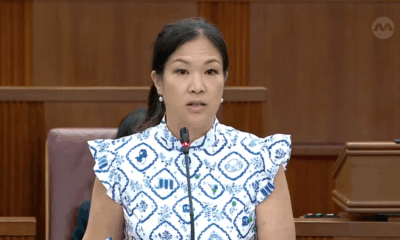
Earlier, Workers’ Party Member of Parliament He Ting Ru in her speech also voiced concern over regulation of mental health providers in Singapore, emphasizing the need to balance oversight with accessibility.
She acknowledged concerns that regulation could worsen the shortage of professionals, but argued that it is necessary to protect vulnerable clients from unqualified individuals offering therapy and counselling services—highlighting recent reports of unqualified counsellors advertising on platforms like Carousell.
She stressed that regulation would help ensure professionals meet baseline training and ethical standards while also enabling healthcare financing to expand access to such services.
She called on the government to develop a long-term plan that incorporates input from professional bodies while avoiding excessively high barriers to entry. Additionally, she urged collaboration with training providers to increase the supply of qualified mental health professionals to meet Singaporeans’ needs.
He Ting Ru raises alarm over self-proclaimed therapists offering services after minimal training
Seeking further clarification, He asked whether the government’s registration plans would extend beyond psychologists to include other mental health professionals, such as psychotherapists and counsellors.
She highlighted concerns about unqualified individuals claiming to be therapists after taking short courses, which puts vulnerable clients at risk.
“Some practitioners have also shared their concerns with me about individuals presenting themselves as therapists after merely completing online courses or a weekend class,” He said.
He added that this is worrying, as clients seeking help are often highly vulnerable individuals.
She also inquired about public education efforts to help people differentiate between various mental health professionals (e.g., psychologists, psychiatrists, counsellors, psychotherapists) and understand where to seek appropriate help.
He also asked how the public could report concerns about unqualified practitioners.
Govt to tackle unregulated mental health practitioners, boost public awareness
In response, Dr Janil explained that the government is still in the early stages of formulating regulations for mental health professionals.
However, he affirmed the need to protect vulnerable individuals seeking psychological services, particularly from unqualified practitioners.
He explained that the licensing framework would primarily target psychologists and professionals involved in higher-risk areas such as diagnosis, pathology, and interventions.
However, the government is also considering how to address unregulated individuals who claim to offer mental health services without proper qualifications.
Dr Janil stressed the importance of public education to help people differentiate between various mental health professionals, such as psychologists, psychotherapists, counselors, and psychiatrists.
He highlighted existing resources, including websites and helplines, and noted that a new hotline would be launched later in the year for individuals seeking guidance or lodging concerns about their therapy.
MOH expands mental health support with new protocols, services, and helpline
Earlier, Dr Janil said Recognising the close link between physical and mental well-being, MOH is taking steps to integrate mental health into Singapore’s broader healthcare system.
As part of Healthier SG, care protocols for major depressive disorder and general anxiety disorder will be introduced in 2026 to ensure consistent and quality care across primary care providers.
Healthier SG clinics are also being paired with Community Intervention Team (COMIT) providers, enabling enrolled individuals to access counselling and therapy services when needed.
Additionally, a new integrated wellness centre, Grovve, led by the National Council of Social Service, will open at *SCAPE by the end of this year to provide mental health services for those aged 13 to 25 and their caregivers.
MOH is also addressing challenges related to minors seeking mental health support by convening an expert group this year to establish guidelines on obtaining parental consent while ensuring timely access to care.
To further enhance accessibility, the ministry will launch the National Mental Health Helpline and Textline in mid-2025, offering round-the-clock support from trained counsellors.