Gan Kim Yong: Singapore will not retaliate against US tariffs but seeks engagement and resolution
Singapore will not impose retaliatory tariffs against the US despite a new 10% import duty on its goods. Minister Gan Kim Yong emphasised dialogue, dispute resolution, and economic support measures in response to the potential economic impact.
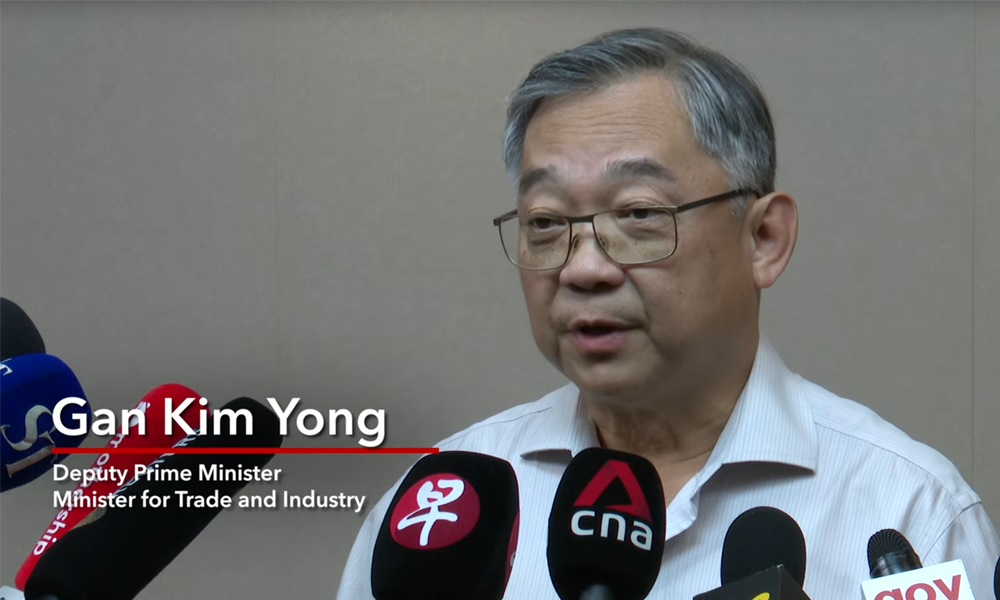

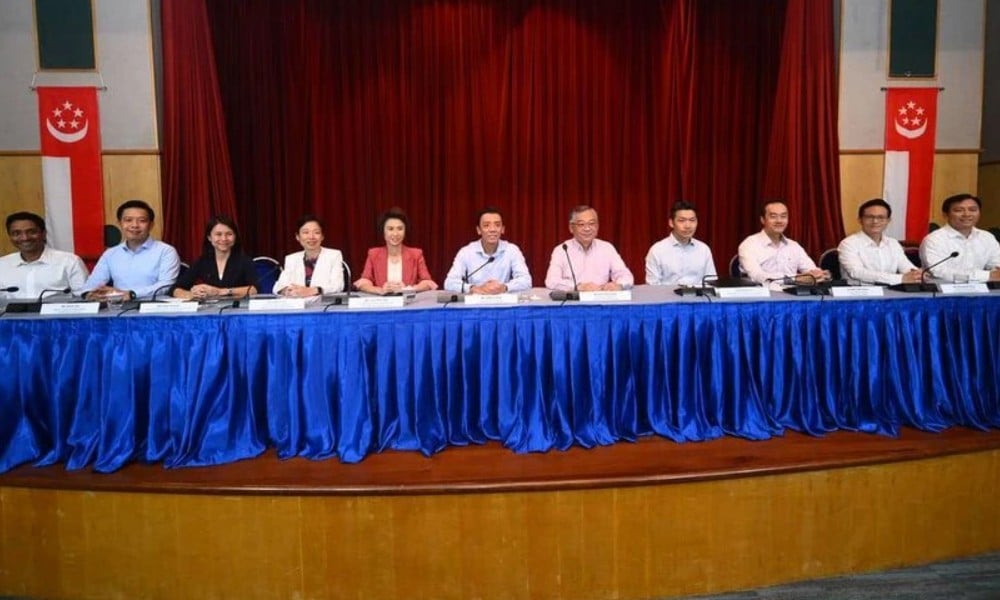
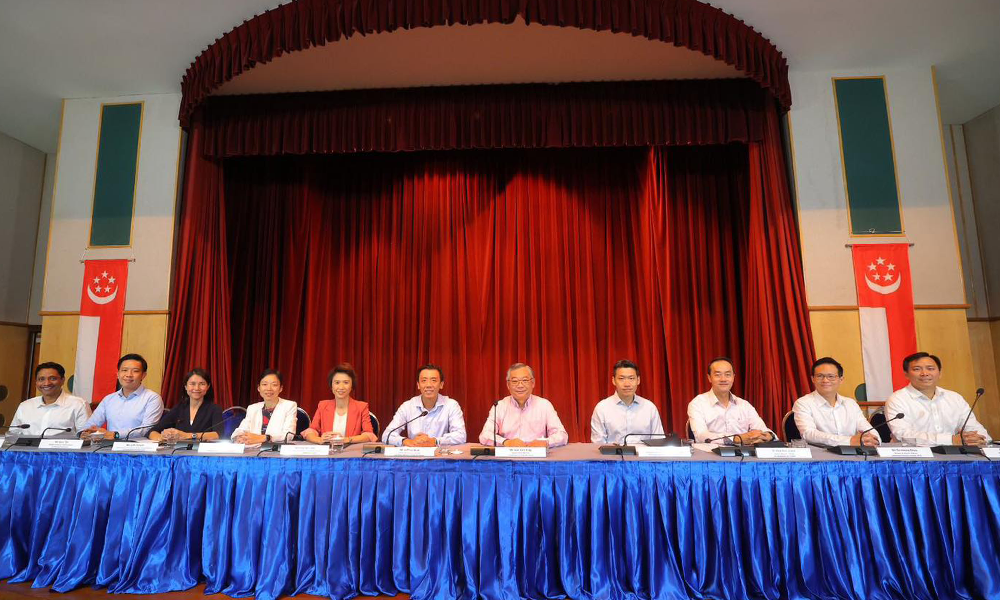
Singapore will not impose retaliatory tariffs on the United States despite Washington's move to implement a 10 per cent baseline import duty on Singaporean goods, said Minister for Trade and Industry Gan Kim Yong on 3 April 2025.
Speaking to the media, Gan who is also Deputy Prime Minster, underscored Singapore’s decision to focus on engagement, dispute resolution, and economic stabilisation measures, rather than escalating trade tensions.
“Under the FTA, we have recourse. We are able to take countermeasures and also seek dispute resolution,” said Gan, referring to the longstanding US-Singapore Free Trade Agreement.
Despite this legal option, he noted, “we have decided not to do so because imposing retaliatory import duties will just add costs to our imports from the US, and this will affect our consumers and businesses.”
Gan’s statement refers to Chapter 20 of the FTA, which outlines a formal dispute settlement mechanism.
Article 20.6 allows a party to seek compensation or suspend trade benefits—such as tariff concessions—if a dispute is not resolved through consultations and a panel finds in favour of the complaining party.
Singapore, however, has chosen not to pursue those countermeasures at this stage.
Instead, Gan said the Government would focus on clarifying the basis for the US tariffs and ensuring mutual understanding.
“We will reach out and engage our US counterparts and better understand their concerns,” he said. “We want to see how we can work together constructively to address some of these concerns.”
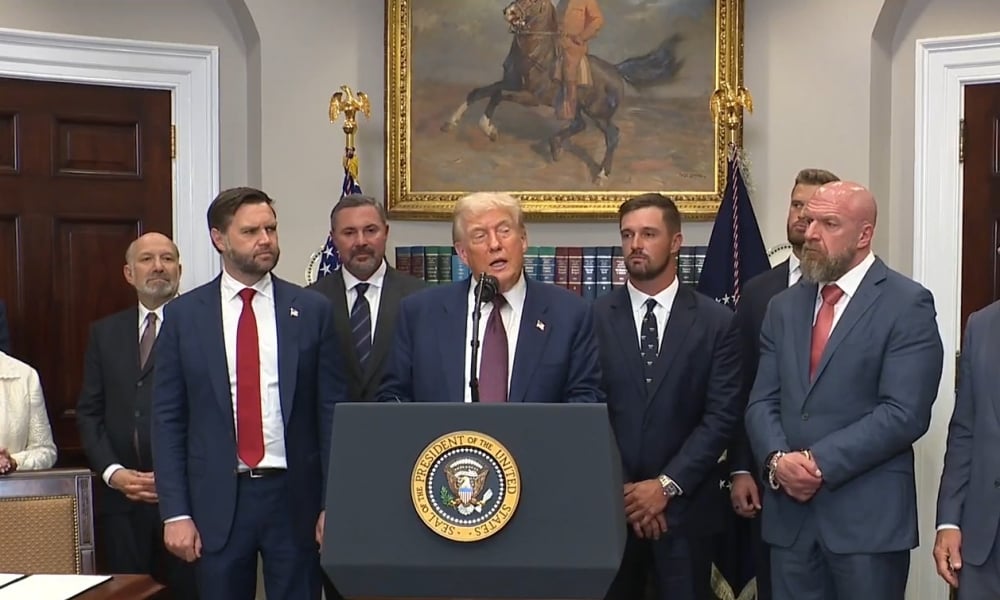
The United States announced the new tariff as part of a broader move to impose import duties on key trade partners. The tariff regime includes higher rates for certain countries, while Singapore faces a 10 per cent baseline tariff.
Despite the relatively lower rate, Gan stressed the significant economic consequences for Singapore.
“This 10 per cent baseline tariff on Singapore will have a significant impact on our economy,” he said.
The Government will reassess its economic growth forecast for 2025, and Gan said Singapore stands ready to offer support to both businesses and households if conditions worsen.
“We will need to take time to reassess, adjust, and see whether we need to recalibrate our economic forecast,” he said, noting that some information is still emerging and requires further analysis.
Singapore's measured approach reflects its longstanding position on free trade and its commitment to a rules-based multilateral trading system.
Instead of retaliating, Singapore will actively engage the US to better understand the basis of the decision and address any misunderstandings that may have led to the imposition of tariffs.
“We will reach out and engage our US counterparts and better understand their concerns,” said Gan. “We want to see how we can work together constructively to address some of these concerns.”
He also reiterated that the US-Singapore Free Trade Agreement has been mutually beneficial. American goods entering Singapore have enjoyed zero tariffs for more than two decades, and the US continues to enjoy a substantial trade surplus with Singapore, estimated at around US$30 billion.
In light of these factors, Gan expressed disappointment with the US move.
“We are, of course, naturally disappointed,” he said, adding that such actions could weaken longstanding partnerships if not addressed through proper dialogue.
Beyond the immediate response, Singapore will reinforce its broader trade strategy by engaging with like-minded countries and maintaining open economic channels.
The Republic is a party to 27 free trade agreements, which Gan said will continue to offer businesses access to international markets.
He also highlighted the importance of regional cooperation, particularly within ASEAN, to mitigate disruptions in trade and supply chains.
At the multilateral level, Singapore will continue to support the strengthening of the World Trade Organisation and advocate for the preservation of a rules-based global trading system.
Gan warned that further escalation of tit-for-tat tariff measures could lead to a global trade war, disrupting supply chains, reducing investments, and ultimately affecting economies around the world—including Singapore’s.