Lee Hsien Loong emphasises need for immigration, warns against xenophobia at citizenship ceremony
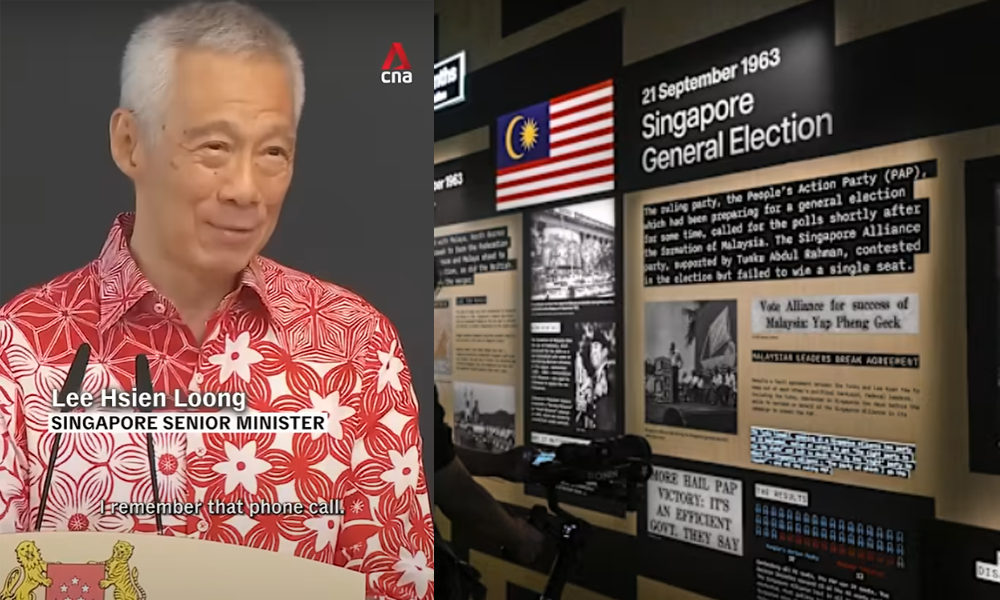
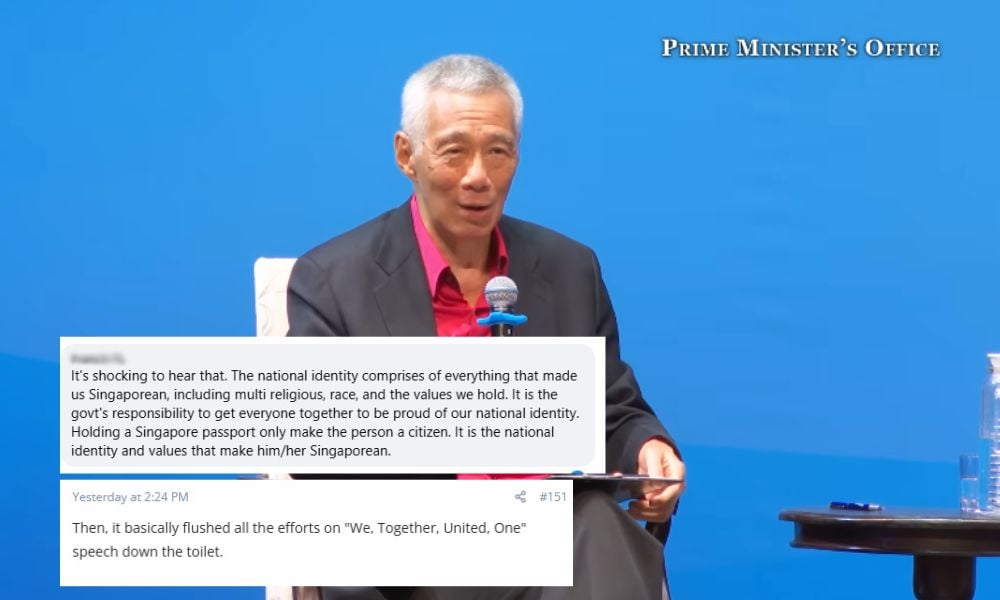
Senior Minister Lee Hsien Loong underscored the importance of immigration for Singapore’s survival at the Teck Ghee Citizenship Ceremony on 9 March 2025. He urged new and existing citizens to foster integration while warning against xenophobic sentiments that could harm national unity.
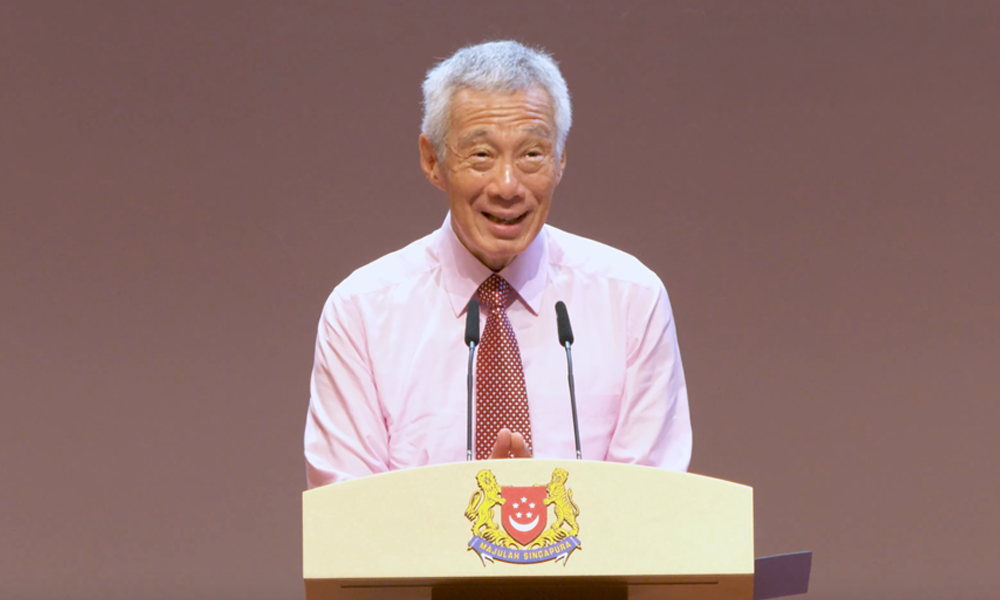

Senior Minister Lee Hsien Loong underscored the importance of immigration in sustaining Singapore’s economic and demographic growth during the Teck Ghee Citizenship Ceremony on 9 March 2025.
Addressing newly naturalised citizens at the Nanyang Polytechnic Auditorium, he welcomed them into the Singaporean family and emphasised their role in strengthening the nation’s future.
Lee pointed out that Singapore has long relied on immigration to counter its ageing population and low birth rates.
“Every year, we grant citizenship to about 22,000 individuals,” he said, adding that Singapore’s resident workforce is already at full employment and growing older.
Despite a slight increase in births during the recent dragon year, the number of citizen babies born annually still hovers around 30,000, reinforcing the need for a steady influx of new citizens.
Reflecting on his tenure as Prime Minister from 2004 to 2024, Lee highlighted the long-term impact of immigration policies.
Over that 20-year period, Singapore granted citizenship to more than 400,000 individuals and issued over 800,000 permanent residencies. This contributed significantly to the country’s population growth from 4.17 million in 2004 to over 6.03 million in 2024.
Lee cited global examples to illustrate the benefits of immigration, referencing cities like London, New York, and Shanghai, which have thrived by attracting top talent.
He recalled a visit to Google’s headquarters in Silicon Valley, where most of the researchers he met had immigrant backgrounds.
“That is America’s enormous advantage—it draws top talent from every continent, and therefore it can innovate and stay ahead,” he remarked.
However, he acknowledged that immigration remains a sensitive issue worldwide. He noted that in some European countries, large and poorly managed inflows had led to social tensions and political backlash.
In contrast, he assured that Singapore takes a measured approach, ensuring that immigration policies support economic growth while maintaining social harmony. “We need to bring in more people, more talent, more contributions,” he said, emphasising the government’s careful management of the inflow.
Lee urged both new and existing citizens to foster integration. He encouraged newcomers to embrace Singapore’s cultural norms, actively participate in their communities, and contribute to national development.
“You will not be exactly like those who have been citizens for many years, or all their lives, but that is also precisely what makes you distinct and valuable,” he said, adding that as their children serve National Service and integrate further, differences will naturally fade over time.
At the same time, he called on Singaporeans to welcome new arrivals and reject xenophobic attitudes.
“To firmly reject those who play up nativist and xenophobic sentiments for political gain, which will do great harm to our society,” he cautioned.
In conclusion, Lee reminded the audience that Singapore’s success has always been built on its people—both those born here and those who chose to make it their home.
As long as Singapore remains open and united, he said, it can continue to be a vibrant, dynamic, and prosperous nation.