Albatross File declassified: Lee Hsien Loong reflects on Singapore’s separation from Malaysia
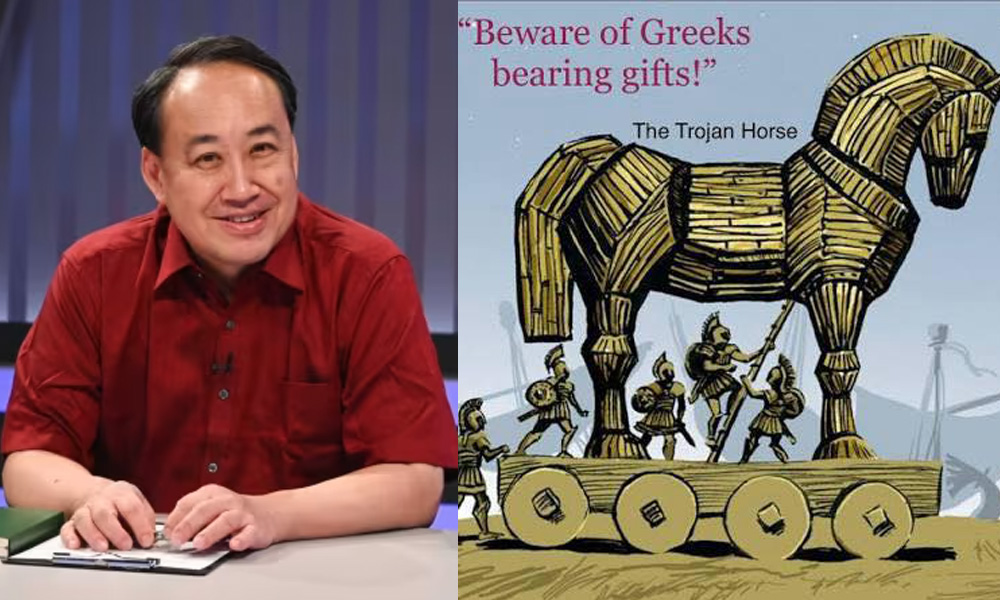
Senior Minister Lee Hsien Loong says the Albatross File declassification offers a full public account of Singapore’s separation from Malaysia. But historian PJ Thum questions the timing, noting the information has largely been known for decades.
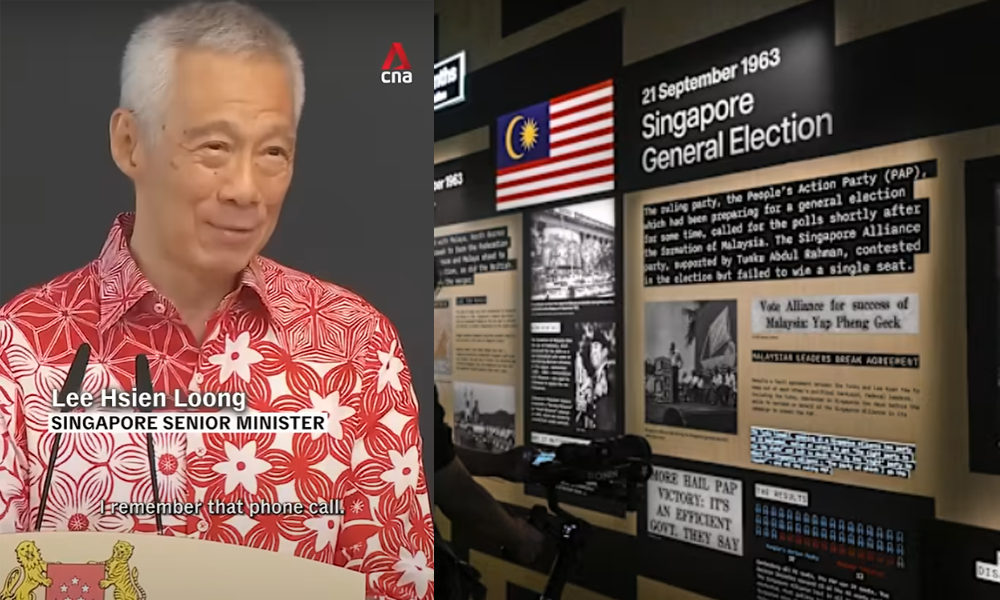

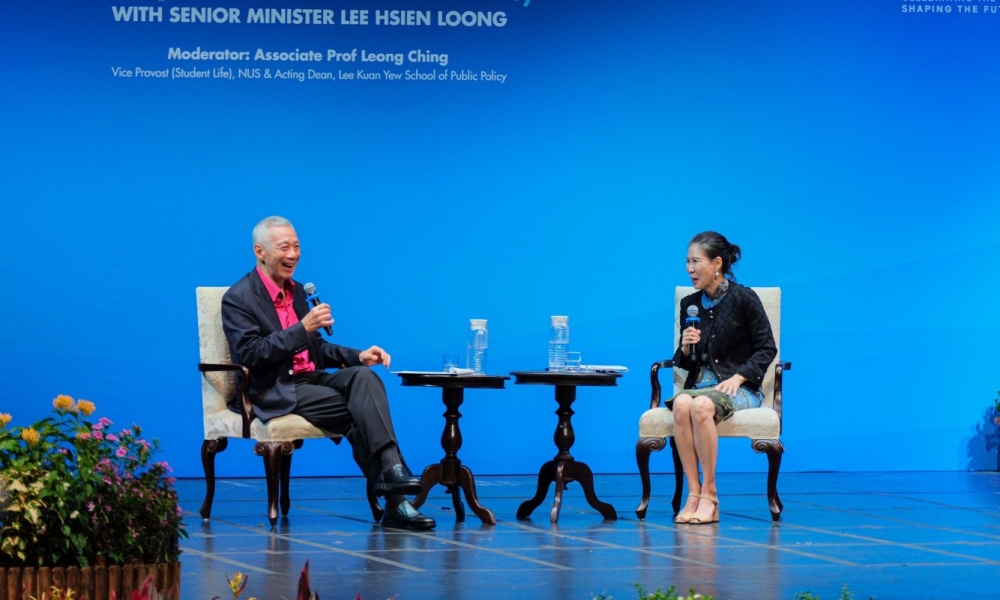
Senior Minister Lee Hsien Loong launched The Albatross File exhibition and book on 7 December 2025, presenting it as a comprehensive and candid account of the lead-up to Singapore’s separation from Malaysia in 1965.
Speaking at the National Library, Lee said the release of the documents, compiled by former Deputy Prime Minister Goh Keng Swee, served to “bring together and put on the public record a full documented account of this seminal event in our independence journey.”
The Albatross File includes Cabinet notes, handwritten memos, and confidential correspondence, many from the critical weeks leading to the separation. Named after Goh’s characterisation of Malaysia as an “albatross around Singapore’s neck”, the file had remained classified for decades before being rediscovered in a Ministry of Defence storeroom in the 1980s.
Leadership and national resolve
Lee used the launch to reflect on the key political dynamics of the time, noting that Singaporeans came to trust the leadership of Lee Kuan Yew and his team because they would not compromise the nation’s interests, even under immense pressure.
“The PAP solidified their support among our pioneer generation through the experience of merger followed by separation,” he said.
He also emphasised that since then, no Singapore prime minister has allowed foreign or domestic pressure to erode national sovereignty.
Recounting the racial tensions that led to the separation, Lee Hsien Loong noted that Singapore’s multiracial harmony remains fragile, and must never be taken for granted.
Recounting the separation
Lee Hsien Loong provided new detail on internal deliberations, including how his father initially hoped to renegotiate Singapore’s position within Malaysia, even after the first separation talks had begun.
He described the intense emotions his father experienced — from reluctance to ambivalence — and the sense of personal risk involved.
At one point, Lee recounted a conversation on the Istana golf course, when his father told him to care for the family if something happened to him. The British Prime Minister at the time, Harold Wilson, had warned Malaysia against arresting Lee Kuan Yew, underscoring the gravity of the situation.
Lee also revealed that it was only decades later, in 1994, that his father discovered Dr Goh had pursued a full separation from the start, contrary to Lee Kuan Yew’s instructions to first negotiate for greater autonomy within Malaysia.
This detail, according to Lee, astonished the former prime minister, who marked the moment of discovery in his records.
Despite internal disagreements, Lee said the PAP Cabinet remained united, and Singapore emerged from separation with a coherent leadership team.
“At the strategic level, it was the political pressure that Mr Lee orchestrated, the international stature that he had built up, and the courage and leadership that he showed, which compelled the Tunku to let Singapore go,” he added.
A well-timed account or a well-worn history?
While the government has framed the release of the Albatross File as an opportunity for national reflection during SG60, some historians have questioned its significance and novelty.
Historian Thum Ping Tjin argued that much of the material — including the political tensions, the motivations behind separation, and even Dr Goh’s role — has been publicly known for decades.
Writing on social media, Thum said, “There’s nothing new that historians haven’t known about for ~27 years, apart from that Goh KS had acted against LKY's wishes,” adding that even this detail aligns with Goh’s known policy disagreements with Malaysia.
He also noted that similar narratives were once dismissed as controversial or revisionist when raised by independent historians.
In a 2015 interview with Malaysia’s BFM 89.9, Thum had already outlined many of the key developments now publicly affirmed in the Albatross File, including Lee Kuan Yew’s ambitions for influence beyond Singapore, the electoral politics that influenced merger and separation, and the fundamental racial and demographic calculations that shaped Malaysia’s position.
In that interview, Thum described the 1965 split as a “massive reversal” of earlier goals, noting that merger had once been the central political plank for the PAP and other parties, and that Lee Kuan Yew had campaigned on reunification.
He said the decision to separate came only when it became clear that Lee would not be able to exert the broader influence he had hoped for within Malaysia — a decision that caused tensions within the Cabinet, particularly with Malaysia-born colleagues like S Rajaratnam and Toh Chin Chye.
Thum has now questioned the timing of the Albatross File’s release, asking why this version of history is being given renewed emphasis.
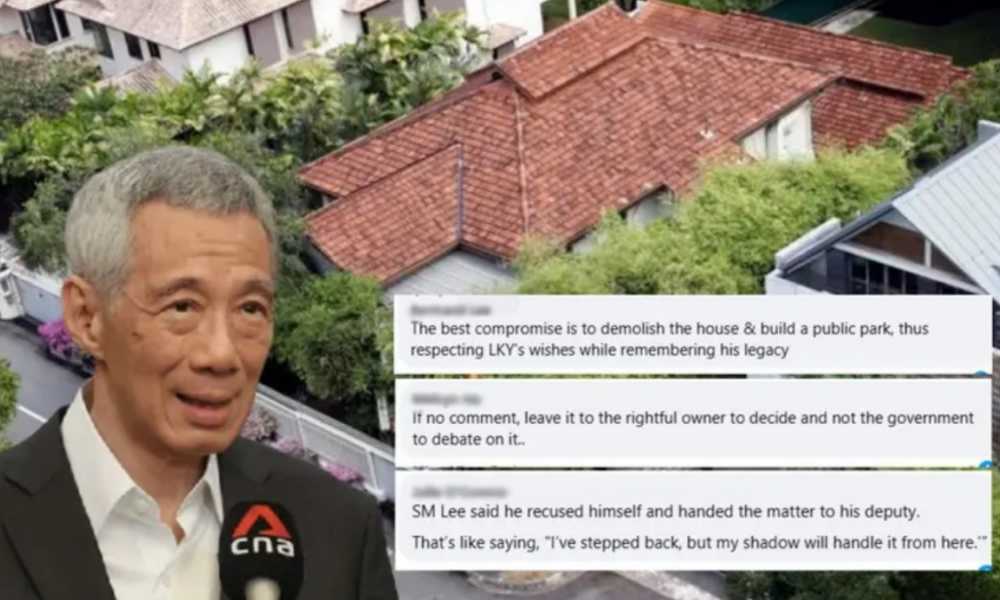
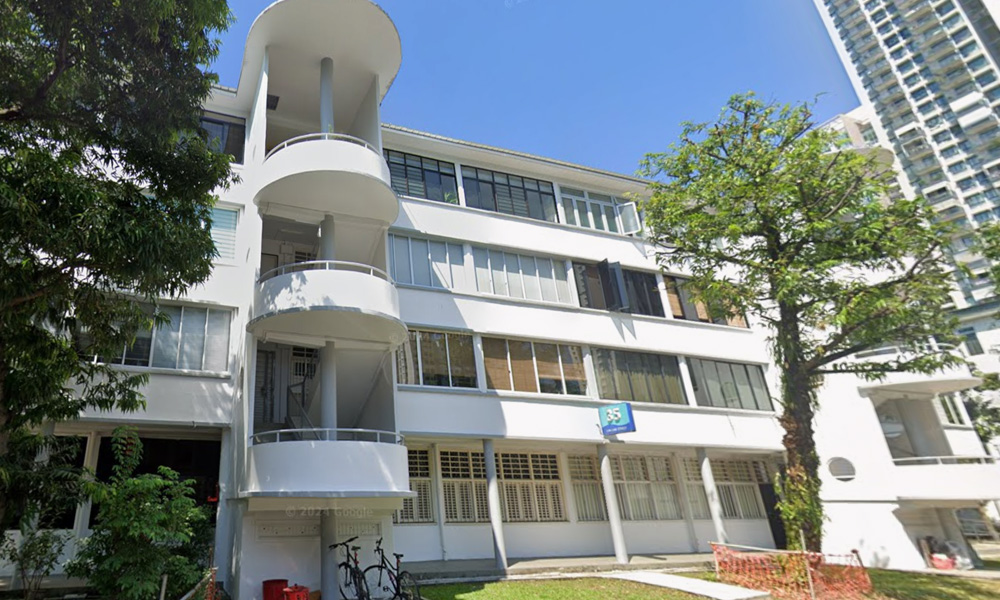
“Why is this history being rehashed and warmed up and re-served now?” he wrote, suggesting that the publication may relate to Lee Hsien Loong’s broader legacy, including long-standing disputes surrounding 38 Oxley Road.