Singapore to lift maximum employment period for work permit holders from 1 July
There will no longer be a cap on how long migrant workers can stay starting on July 1, according to Manpower Minister Tan See Leng.


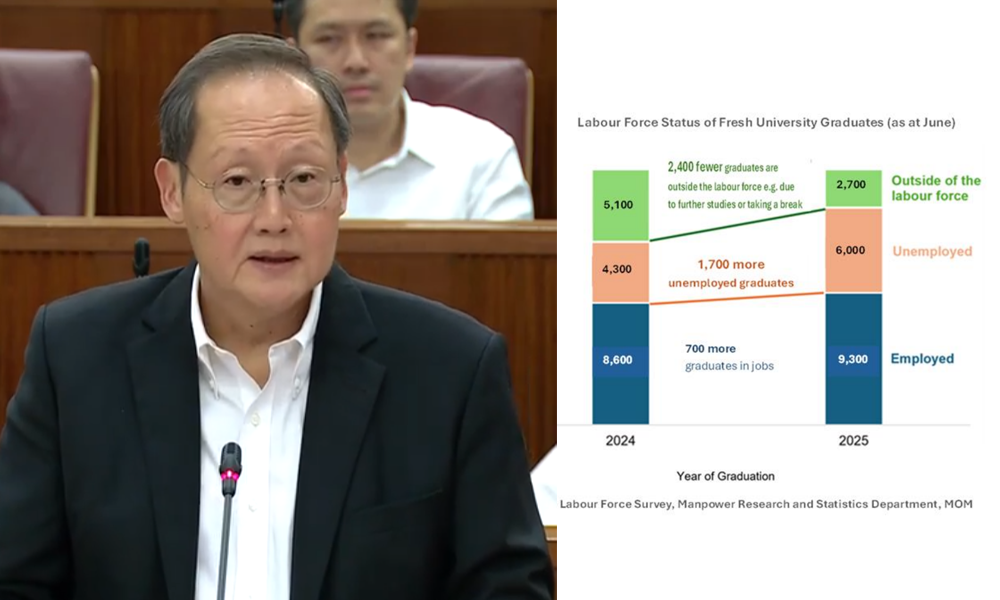
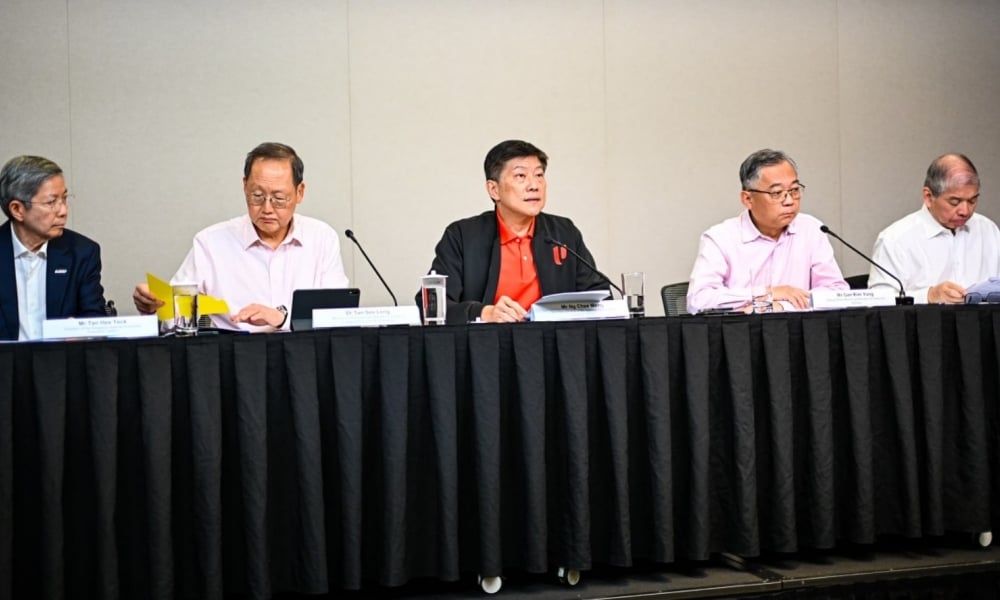
Beginning 1 July, Singapore will lift the maximum employment period for work permit holders, allowing companies to retain experienced workers, Minister for Manpower Tan See Leng announced in Parliament on 6 March.
The change will enable migrant workers to stay beyond the current limit of 14 to 26 years, which varies based on skill levels, industry sector, and country of origin.
However, the new rule will not apply to migrant domestic workers.
During the Ministry of Manpower’s (MOM) budget debate, Dr Tan stated that the employment cap had forced companies to lay off experienced employees, even when they were at their prime working age.
The ministry will also raise the maximum employment age for work permit holders from 60 to 63, aligning with Singapore’s retirement age.
Additionally, the age limit for new work permit applicants will be raised to 61. Currently, non-Malaysian applicants must be below 50, while Malaysian applicants must be under 58.
"With these changes, employers can retain experienced workers who are still able to contribute," Dr Tan said.
Expansion of the NTS Occupation List
From 1 September, the Non-Traditional Sources (NTS) Occupation List—which allows services and manufacturing firms to hire rank-and-file workers under a work permit—will be expanded to include general cooks, heavy vehicle drivers, and manufacturing operators.
Dr Tan also announced that, starting 1 June, local companies will be able to hire workers from Bhutan, Cambodia, and Laos. At present, the list includes Bangladesh, India, Myanmar, the Philippines, Sri Lanka, and Thailand.
The minister emphasised that safeguards will remain in place to ensure these policies do not "undermine efforts to uplift locals in these occupations." NTS workers must be paid at least S$2,000, and they cannot exceed 8 percent of a company’s total workforce, he stated.
Changes to the M-SEP Scheme
Additionally, the ministry will extend the support period under the Manpower for Strategic Economic Priorities (M-SEP) scheme from two to three years, beginning 1 May.
This scheme allows companies to temporarily hire more S Pass and work permit holders beyond industry quotas. Currently, companies must meet two key requirements to qualify: contributing to Singapore’s key economic priorities and committing to hiring and training local workers.
From 1 May, the eligibility criteria will also include a commitment to sending local employees for overseas exposure or leadership programmes.
Minimum salary adjustments for S Pass holders
The ministry will also raise the minimum qualifying salary for S Pass holders from S$3,150 to S$3,300 for most sectors on 1 September. Dr Tan stated that the qualifying salary will progressively increase with age, reaching up to S$4,800 for candidates in their mid-40s.
For the financial services sector, which has higher wage norms, the minimum salary will rise from S$3,650 to S$3,800. This will progressively increase with age to up to S$5,650 for workers in their mid-40s.
Additionally, the S Pass Tier 1 levy will be increased from S$550 to S$650 to align with the Tier 2 levy.