Jack Sim criticises government’s S$10 million grant for coffee shop toilet hygiene
Jack Sim has criticised the government's S$10 million grant for improving coffee shop toilet hygiene, calling it unsustainable and unfair to taxpayers. He questioned why shopping centres did not receive similar support and suggested the grants favoured coffee shop owners, some of whom are grassroots leaders. NEA defended the move as part of broader public hygiene efforts.
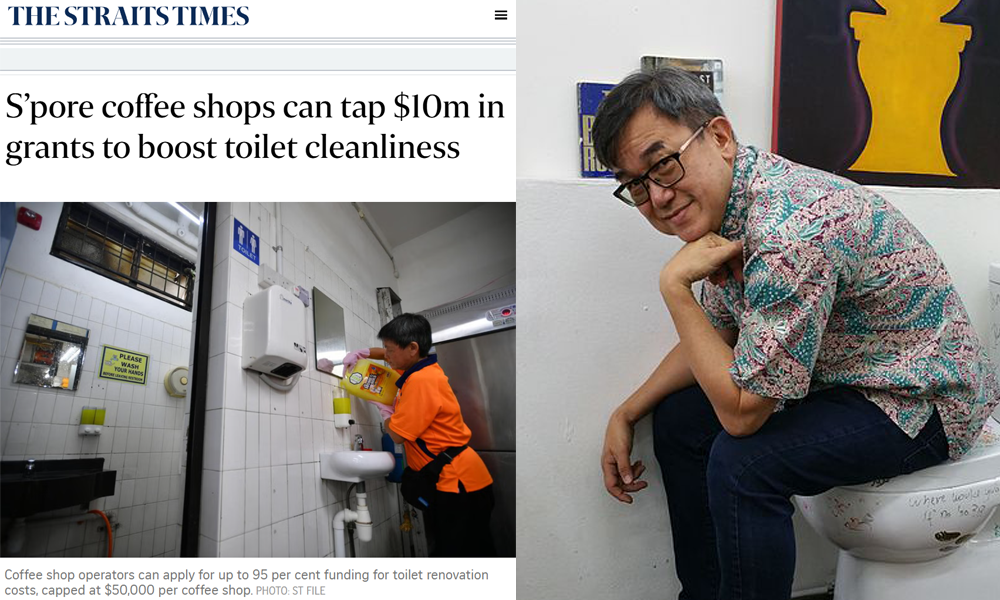

Singaporean entrepreneur and sanitation advocate Associate Professor Jack Sim has spoken out against the government's S$10 million grant to improve coffee shop toilet hygiene, calling it an unsustainable and unjustified use of taxpayers' money.
Sim, also known as "Mr Toilet" for his sanitation advocacy work, expressed his views in a Facebook post on Tuesday. He described the initiative as a "grave mistake" that unfairly subsidises private businesses and questioned its long-term feasibility.
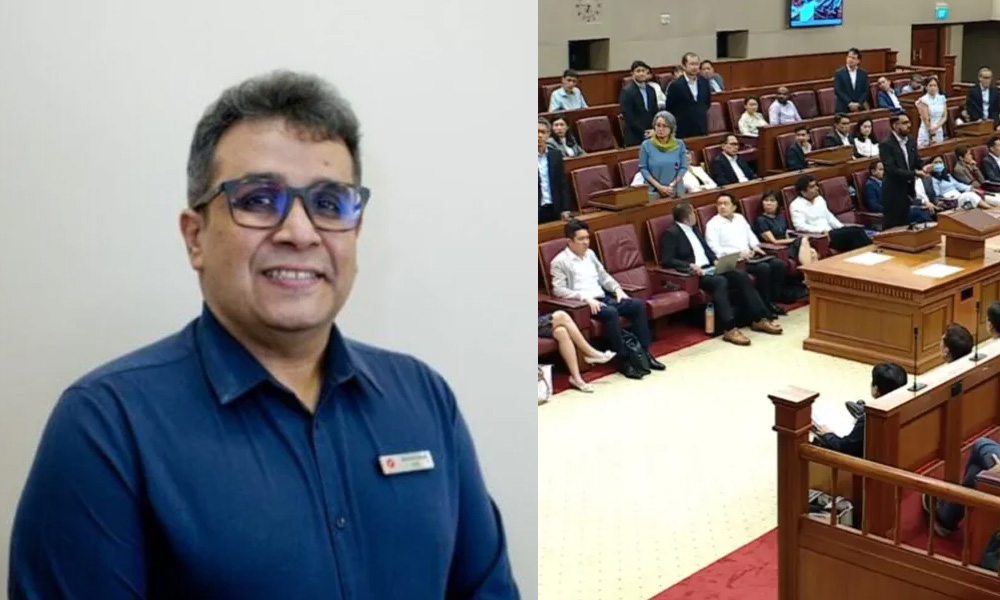
The government announced two separate S$5 million grants to improve toilet cleanliness in coffee shops during the Committee of Supply 2025 debate on 4 March, according to Senior Parliamentary Secretary for Sustainability and the Environment Baey Yam Keng.
On the same day, the Ministry of Sustainability and the Environment (MSE) stated that it had endorsed 10 recommendations by the Public Toilets Task Force, including the introduction of these grants.
Co-chaired by Baey and Public Hygiene Council (PHC) Chairman Andrew Khng, the task force was convened in 2024 to study and propose solutions for improving public toilet cleanliness.
The Coffeeshop Toilet Renovation Grant will fund upgrades to toilet facilities, while the Coffeeshop Toilet Deep Cleaning Grant will support thorough cleaning efforts.
Both grants, managed by the National Environment Agency (NEA), will cover up to 95% of costs, capped at S$50,000 for renovations and S$25,000 for deep cleaning per coffee shop.
Why double standards, asks Sim
Sim raised several concerns in his post, highlighting what he sees as social injustice, financial unsustainability, and possible favouritism towards coffee shop owners.
He argued that taxpayers' money should not be used to support private businesses and questioned whether the government would continue funding such grants indefinitely.
He also accused the government of favouring coffee shop owners over other businesses, such as shopping centres, which do not receive similar funding.
"If you didn't give money to shopping centres, why are you giving money to coffee shops?" Sim asked, suggesting that coffee shop owners, some of whom are grassroots leaders, were receiving preferential treatment.
Instead of grants, he proposed stricter penalties for coffee shop owners who fail to maintain clean toilets.
He ended by saying, "Everyone, please tell SPS Baey Yam Keng NOT to waste our hard-earned money. They increased GST and taxed us to the bone. They must not do this injustice to us, the citizens and voters of Singapore."
The grants come in response to a study by Singapore Management University, which found that coffee shop toilets have become less hygienic over the past year.
Since 2016, they have ranked below shopping centres, MRT stations, and hawker centres in cleanliness assessments.
While Baey acknowledged that coffee shops are privately operated, he stressed the importance of maintaining hygiene as their toilets are accessible to both customers and the general public. He described them as “natural gathering points” for residents.
He also noted that the elderly, who may struggle with bladder and bowel control, rely on these facilities.
“This is particularly important in an ageing population, as seniors may have more difficulties managing bladder and bowel control,” he said.
In a statement, MSE pointed out that coffee shops experience high footfall but often face “limited manpower in cleaning and maintaining the toilets.”
In 2023, the NEA and the Singapore Food Agency conducted nearly 19,000 inspections on public toilets, resulting in about 1,300 enforcement actions against premises owners or managers who failed to meet hygiene standards.
The government’s move aligns with broader efforts to enhance public hygiene and food safety while supporting coffee shop operators.
However, Sim's strong opposition, along with similar criticism on social media, has sparked debate on whether public funds should be used to support private businesses.
Further details on the grants and application process are expected to be released later this year.