Singapore to build five new hawker centres; S$10 million for coffee shop toilet upgrades
Singapore will build five new hawker centres to improve food accessibility and affordability, the Ministry of Sustainability and the Environment announced on 4 March. Additionally, S$10 million in grants will be allocated to upgrade coffee shop toilets, following hygiene concerns raised by a nationwide study.
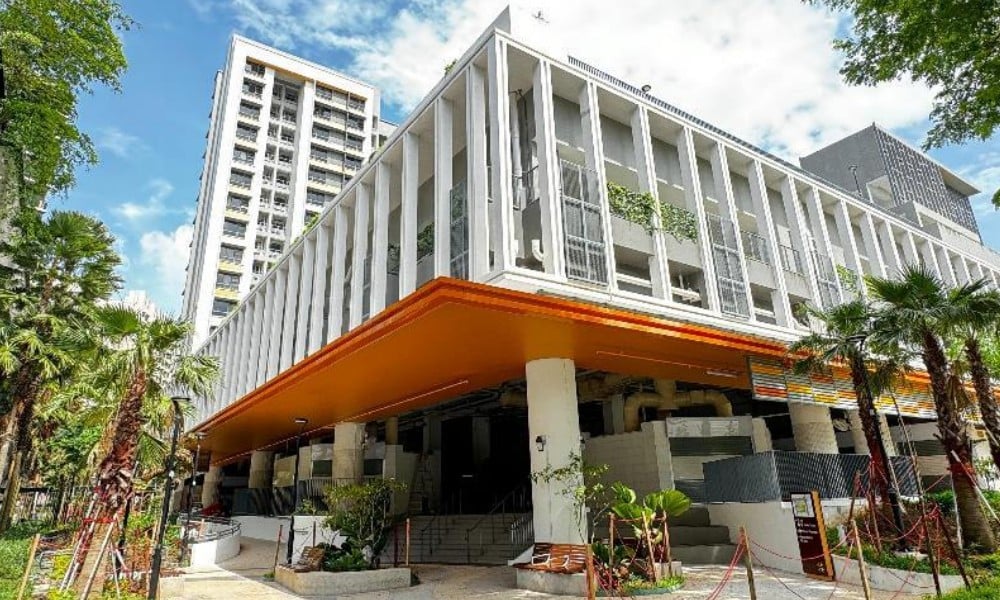

SINGAPORE: Five new hawker centres will be built across various housing estates to improve food accessibility and affordability, the Ministry of Sustainability and the Environment (MSE) announced on 4 March.
These additions are part of a broader initiative to enhance Singapore’s hawker centre infrastructure, supported by up to S$1 billion (US$740 million) in funding over the next 20 to 30 years.
Prime Minister Lawrence Wong had outlined this plan during his Budget speech last month.
While MSE did not disclose the exact locations of the new hawker centres, it stated that they would serve residents in both new and existing estates.
These centres will be in addition to the 20 previously announced in 2011 and 2015.
Since 2011, 14 hawker centres have opened in estates such as One Punggol, Bukit Canberra, Jurong West, and Woodleigh Village.
Two more hawker centres are set to open this year—one in Bukit Batok West and another in Punggol Coast.
The Bukit Batok West centre, located at 469 Bukit Batok West Avenue 9, will have 22 cooked food stalls and more than 400 seats.
The Punggol Coast centre at 84 Punggol Way will feature 40 cooked food stalls and over 680 seats.
As part of Singapore’s 60th birthday celebrations, the government will provide a one-time rental support of S$600 per stall to cooked food and market stallholders in government-managed hawker centres and markets.
This financial aid will be distributed progressively from April to stallholders with active tenancies as of 18 February 2025.
S$10 million in grants for coffee shop toilet improvements
Beyond hawker centre upgrades, the government will allocate S$10 million to improve coffee shop toilet hygiene.
Two separate S$5 million grants will be introduced to support renovations and deep cleaning of these facilities.
The Coffeeshop Toilet Renovation Grant will help operators enhance the design, features, and ease of maintenance of their toilets.
It also encourages compliance with the Happy Toilet Programme certification, a benchmark by the Restroom Association (Singapore) for well-maintained public restrooms.
Operators can apply for National Environment Agency (NEA) funding to cover up to 95 per cent of renovation costs, capped at S$50,000 per coffee shop.
The Coffeeshop Toilet Deep Cleaning Grant will assist coffee shop owners in maintaining hygiene through thorough cleaning procedures.
Under this scheme, NEA will fund up to 95 per cent of a two-year deep cleaning contract, capped at S$25,000 per coffee shop.
Successful applicants will also receive complimentary on-site toilet cleaning training for their in-house cleaners. More details on both grants will be released later this year.
Addressing hygiene concerns
These measures follow concerns raised in a nationwide study by Singapore Management University, which found that coffee shop toilets have become dirtier over the past year.
Since 2016, they have consistently ranked below toilets in shopping centres, MRT stations, and hawker centres in cleanliness assessments.
Although coffee shops are privately operated, their toilets are accessible to both patrons and the general public.
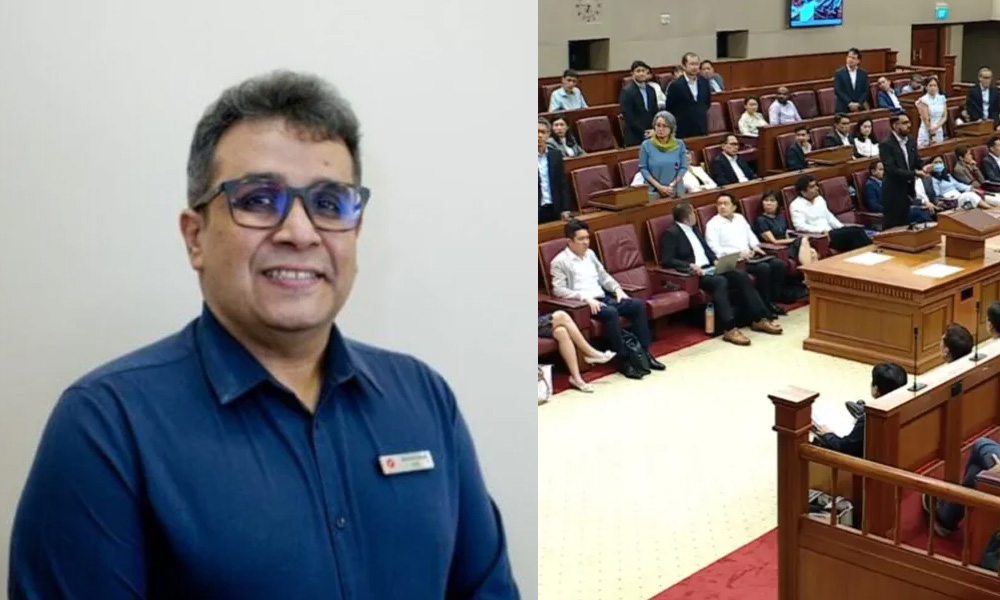
During Committee of Supply 2025 debate on 4 March, Senior Parliamentary Secretary for Sustainability and the Environment Baey Yam Keng highlighted the importance of maintaining hygiene, particularly for seniors who may face difficulties managing bladder and bowel control.
Instead of constructing new public toilets, the government is leveraging coffee shops as "natural gathering points" to improve toilet access for residents.
In 2023, NEA and the Singapore Food Agency intensified inspections on public toilets, conducting nearly 19,000 checks.
These resulted in approximately 1,300 enforcement actions against premises owners or managers who failed to meet cleanliness standards.
The latest initiatives underscore Singapore’s commitment to enhancing public hygiene and food accessibility while supporting both hawker and coffee shop operators.