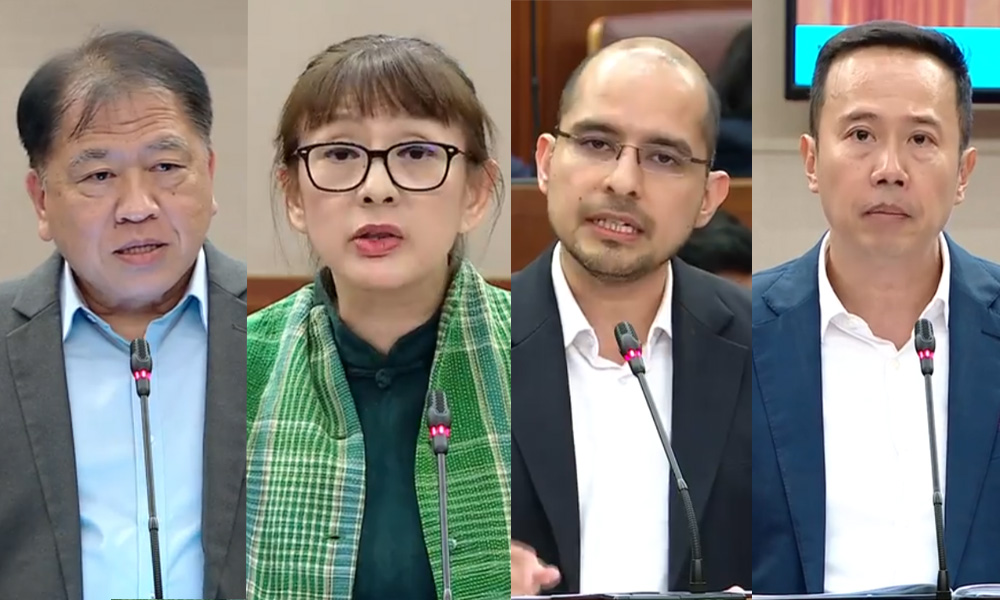
Faishal Ibrahim rejects Pritam Singh’s proposal to incentivise public reporting of traffic violations
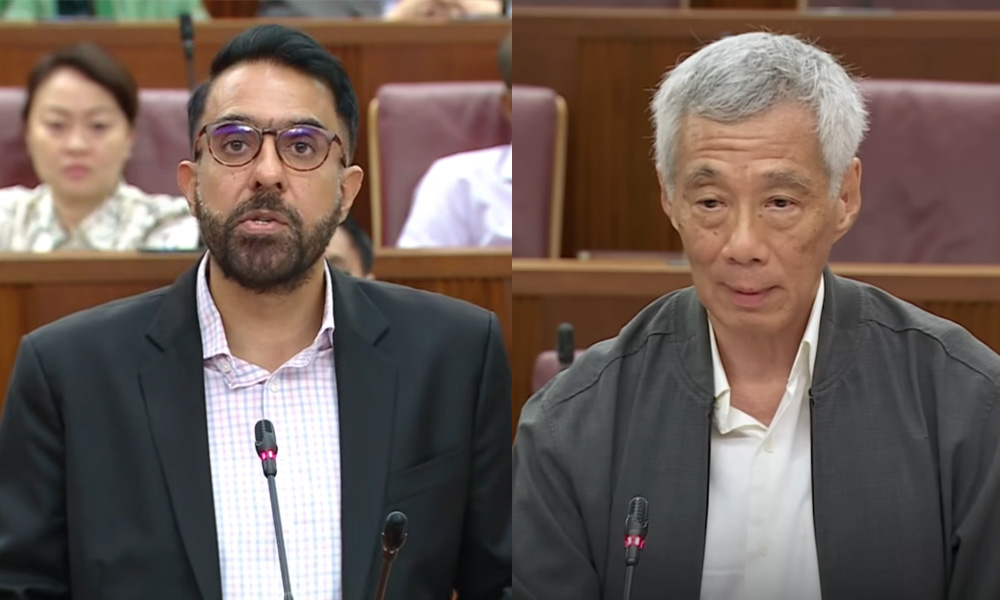
During MHA’s budget debate on 3 March, Pritam Singh raised concerns over rising traffic accidents, particularly involving motorcyclists and elderly pedestrians. He proposed incentivising public reporting of unsafe road behaviour by awarding a portion of fines to those who submit video evidence. However, MOS Faishal Ibrahim rejected the idea, citing risks of false or exaggerated reports driven by monetary gain.
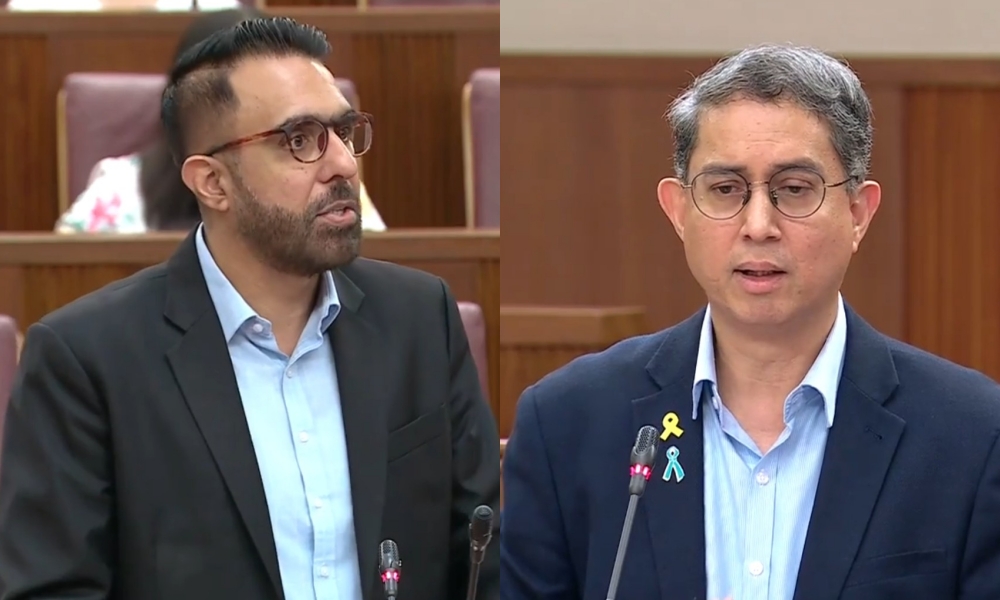

SINGAPORE: During the Ministry of Home Affairs’ (MHA) budget debate on 3 March, Leader of the Opposition Pritam Singh raised concerns over the rising trend of traffic accidents, particularly those involving motorcyclists and elderly pedestrians.
He highlighted that while motorcycles make up only 14.7% of vehicles, motorcyclists and pillion riders were involved in 55.2% of accidents and accounted for nearly 60% of all traffic fatalities.
Similarly, elderly pedestrians, who constitute 12.5% of the population, made up 44% of pedestrian fatalities.
He also pointed out that accidents involving foreign workers transported in lorries resulted in an average of three fatalities per year from 2020 to 2022.
To address these concerns, he proposed incentivising public reporting of unsafe road behaviour, particularly incidents involving motorcyclists and elderly pedestrians.
Under his proposal, road users who submit video evidence of negligent or rash driving could receive a portion of the fine collected from offenders after deducting administrative costs.
He argued that this would supplement Traffic Police enforcement, given national manpower constraints.
Singh further suggested extending this initiative to reckless lorry drivers transporting foreign workers.
Additionally, he asked if the Traffic Police would consider reintroducing the blinking amber lights on commercial vehicles carrying goods and foreign workers to improve visibility and road safety.
Faishal Ibrahim Rejects Incentives for Traffic Violation Reports, Citing Risk of False or Exaggerated Claims
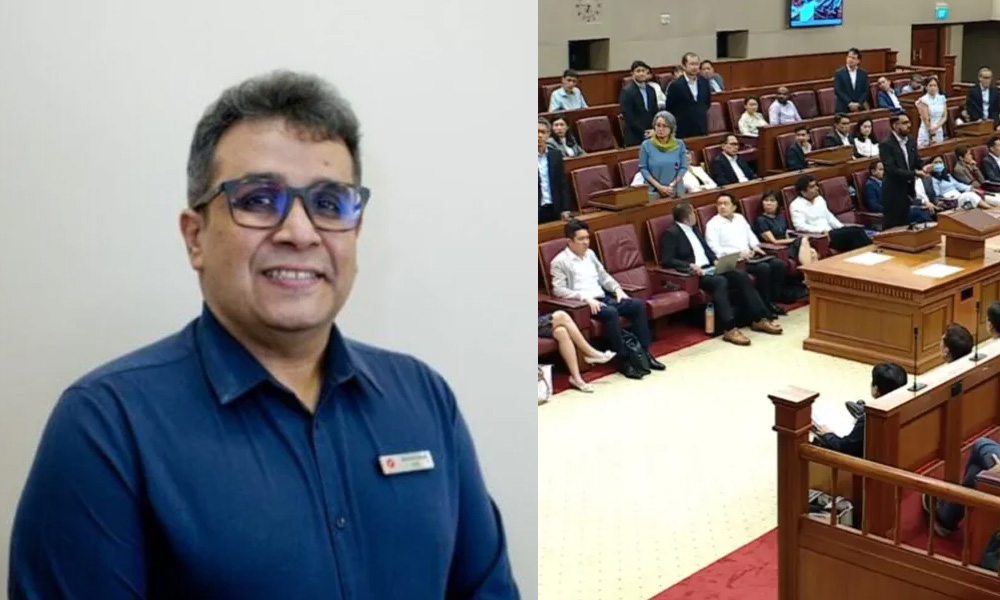
However, Minister of State for Home Affairs Assoc Prof Muhammad Faishal Ibrahim on 4 March rejected Singh’s proposal, citing concerns that financial incentives could lead to false or exaggerated reports driven by monetary gain.
While acknowledged the importance of public participation in road safety efforts, he pointed out that the government already encourages the public to report traffic violations through the e-Feedback on Road User portal, which has seen a steady increase in reports since its introduction.
Regarding the reintroduction of blinking amber lights on commercial vehicles, he explained that such lights were mandated for light goods vehicles in the early 1980s but were discontinued in April 2001 due to concerns about increased vehicle height, which caused accessibility issues in carparks and posed both inconveniences and safety hazards.
"We will instead rely on other means of detecting speeding vehicles such as more speed cameras," Faishal added.
Singh Calls for Case Updates and Safer Transport Measures, Proposes Incentives for Reporting Violations
Seeking clarification, Singh questioned why the TP does not update complainants on reported cases unless court testimony is required, arguing that even a simple acknowledgment would encourage civic participation.
He also urged MHA to prioritize safer transport for foreign workers, given the Ministry of Transport’s stance that banning lorry transport is impractical.
To enhance road safety, he proposed a pilot programme to incentivise reporting unsafe foreign worker transport, which could later be expanded to protect other vulnerable road users.
Faishal maintained that the current system is sufficient, noting that most individuals who report violations do not request follow-ups.
He emphasised that the TP reviews all submitted evidence, with enforcement actions often based on multiple reports.
He reiterated that existing enforcement tools, such as speed cameras and other reporting mechanisms, are more effective in managing traffic violations.