He Ting Ru advocates for a strength-based, socially-oriented budget
In her budget speech, Workers' Party MP He Ting Ru (Sengkang GRC) urged a shift towards a strengths-based, socially-oriented approach. She called for a "development dashboard" to measure societal well-being and proposed deeper investments in mental health, social mobility, and sustainability.
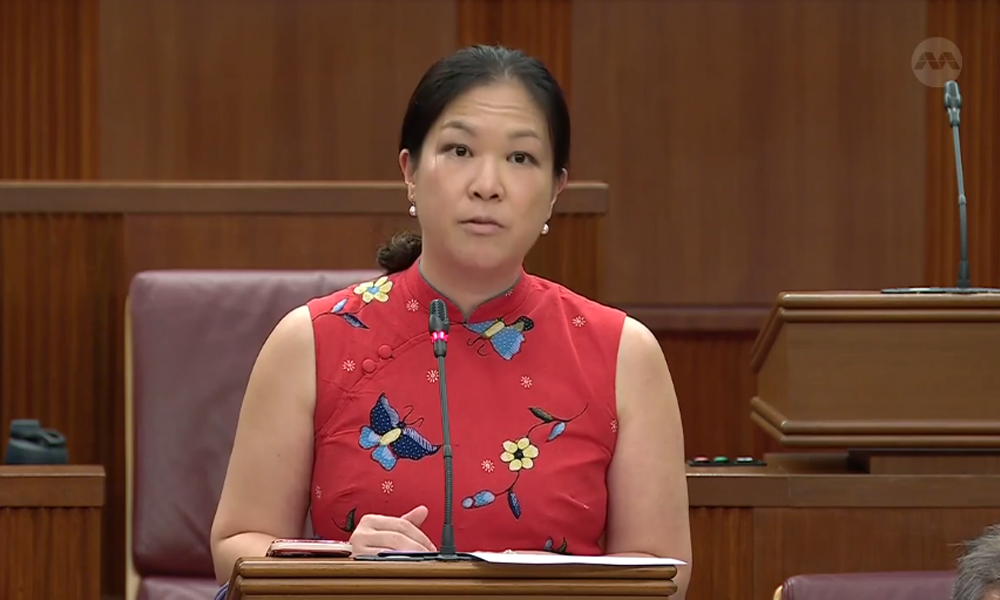

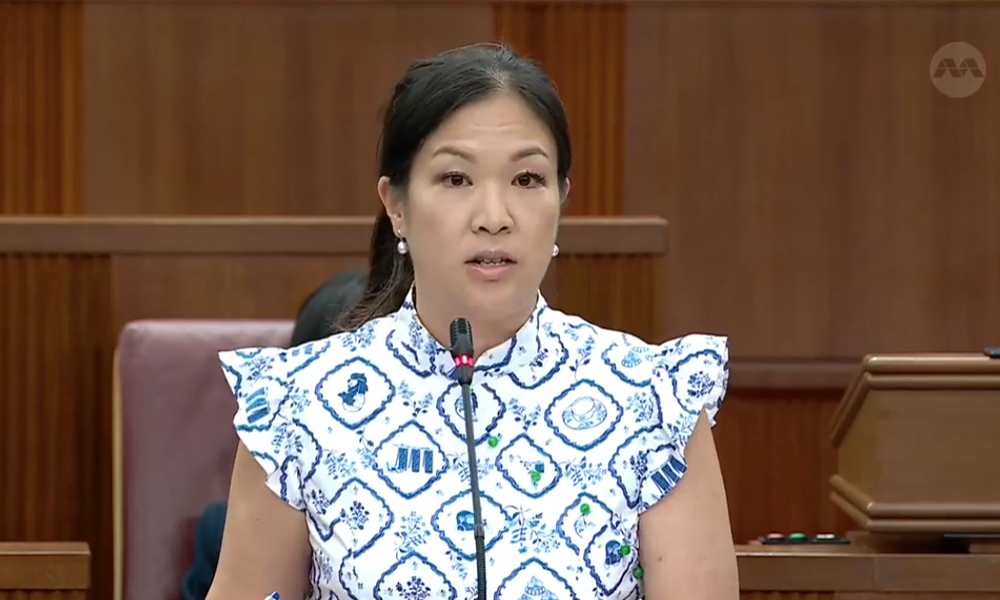
Workers' Party (WP) Member of Parliament (MP) He Ting Ru (Sengkang GRC) delivered her Budget 2025 speech on 26 February 2025, calling for a shift towards a strengths-based, socially-conscious fiscal approach.
She emphasised that while the announced budget includes various schemes funded by higher-than-expected corporate tax revenues, a greater focus on societal outcomes is necessary.
Ms He highlighted that the Budget featured initiatives such as the SG Culture Pass ($100), ActiveSG credits ($100), inclusion of private properties in the Climate Vouchers scheme, hawker centre stall rental rebates, and LifeSG credits for children under 18.
While she welcomed these efforts, she stressed the need for a clearer focus on long-term social well-being and resilience.
A Strength-Based Approach to Budgeting
Arguing against a scarcity mindset, Ms He called for a strengths-based approach to policy-making. She cited research showing that focusing on strengths rather than weaknesses fosters resilience, self-efficacy, and life satisfaction.
She warned against a scarcity-driven model, which could increase unhealthy competition and fear-driven decision-making.
To illustrate this, she pointed to WP-held constituencies, which operate without taxpayer funds from the People’s Association (PA) yet successfully organise community events through alternative means.
For instance, in Buangkok, WP-led events mobilised residents to donate essentials to Cheshire Home, fostering community spirit.
Similarly, a condominium’s management team creatively sourced cost-effective decorations, including commissioning a snake sculpture from a dragon dance manufacturer in China to prepare for the Chinese New Year.
Proposal for a Development Dashboard
Ms He reiterated her 2022 proposal for a "development dashboard" that measures societal progress beyond GDP growth. This dashboard would track indicators such as poverty reduction, social mobility, wealth distribution, and citizen well-being.
She argued that the dashboard should be co-developed with the public and linked to annual Budget decisions. This would ensure transparency in government spending, showing how policies impact both economic and social well-being.
She suggested using Citizens’ Assemblies to deliberate on key metrics, ensuring broader public participation in shaping policy goals.
Addressing Inequality and Social Mobility
While acknowledging the government’s progress in reducing income inequality—citing the lowest Gini coefficient for employment income per household since 2000—Ms He pointed out that many middle-income Singaporeans do not feel financially better off.
She referenced the UBS Wealth Report 2024, which showed that Singapore’s wealth inequality had increased by 22.9% since 2008, surpassing Hong Kong, Indonesia, and South Korea.
She warned that Singapore’s increasing reliance on vouchers and assistance schemes could unintentionally reinforce perceptions of high living costs and undermine the government's stance against a welfare state.
Quoting former Nominated MP Eugene Tan, she said that such policies risk fostering an entitlement culture.
Expanding Social Engagement and Mental Health Support
Ms He stressed the importance of social participation in improving well-being. She cited the Singapore 2022 Quality of Life Survey, which found that citizens who feel empowered politically experience higher levels of life satisfaction.
She argued that measuring engagement in civic activities would provide valuable insights into societal health.
On mental health, Ms He highlighted that Singapore is facing a mental health crisis, impacting productivity and social cohesion.
She advocated for consistent national surveys on mental health, similar to the UK’s Jo Cox Commission on Loneliness and its standardised loneliness index.
She also pointed to data from the Saw Swee Hock School of Public Health (2021) showing that elderly individuals living with family members were the most socially disconnected, contrary to common belief.
Investing in the Future: Children and Sustainability
Ms He called for a more holistic approach to measuring children’s well-being beyond academic performance.
She referenced Iceland’s 2024 Youth Study, which tracked factors such as mental health, digital safety, family support, and school environment.
She suggested that Singapore adopt a similar centralised database to measure children's health and well-being.
On sustainability, she questioned whether schemes like the expanded Climate Vouchers effectively mitigate carbon emissions or merely induce premature consumer spending on new appliances.
She called for more data transparency in assessing the environmental impact of government-funded green initiatives.
Shifting from Scarcity to Strength
In closing, Ms He urged the government to rethink how it measures progress, moving beyond GDP to a comprehensive development dashboard.
She advocated for greater transparency, participatory decision-making, and policies that empower citizens.
“It is not the first time that we have heard sentiments that there is more to measuring our progress as a nation than GDP,” she stated.
“Having the dashboard would be a channel through which we can promote a paradigm shift… from a mindset of strengths and abundance, not fear and scarcity.”
Her speech called for a fundamental shift in Singapore’s policy approach, focusing on long-term social outcomes to ensure a more resilient, engaged, and thriving society.