eFishery investors, including SoftBank and Temasek, may recover only up to 10% of their investment
Investigators have found that Indonesian startup eFishery is in far worse financial condition than previously believed, with investors expected to recover less than 10 cents per dollar. Misrepresented financials, mounting losses, and ineffective technology have led to calls for a significant business restructuring.


JAKARTA, INDONESIA: Investigators hired by eFishery’s board have determined that the Indonesian aquaculture startup is in a significantly worse financial position than previously thought.
According to Bloomberg, the company’s investors are expected to recover less than 10 cents for every dollar they invested.
The investigation, led by FTI Consulting Singapore, found that eFishery misrepresented its financial figures for years and incurred hundreds of millions of dollars in losses between 2018 and 2024.
"eFishery is not commercially viable in its current form," stated a presentation prepared for the company's investors.
eFishery, which provides AI-powered feeders for fish and shrimp farmers in Indonesia, was once a rising star in the country’s startup ecosystem.
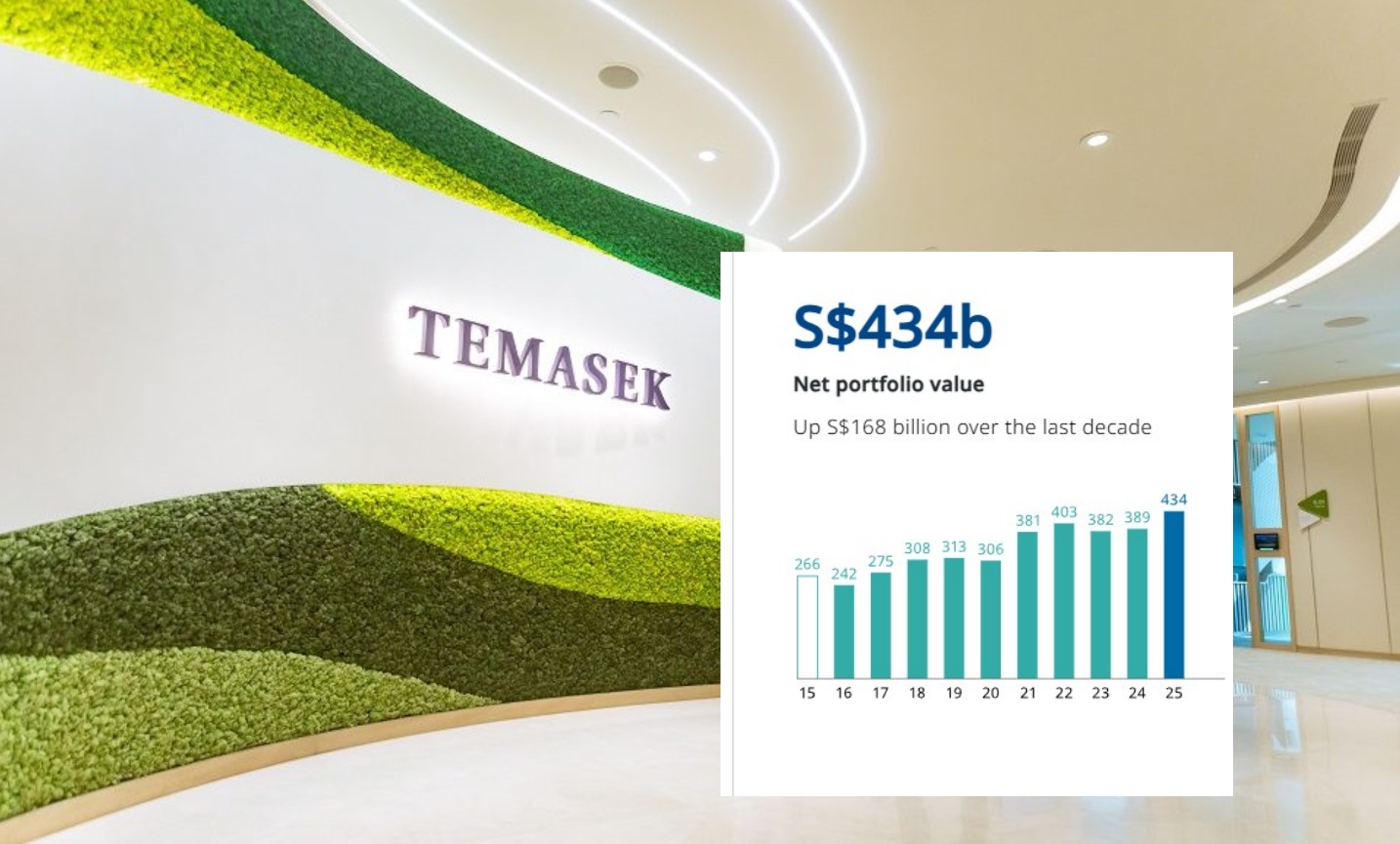
The company had attracted backing from major investors, including SoftBank Group and Singapore’s Temasek Holdings.
It was valued at US$1.4 billion in 2023 after raising US$200 million from Abu Dhabi’s 42X Fund, a joint venture between Abu Dhabi tech firm G42 and the Abu Dhabi Growth Fund.
In total, global investors contributed US$315 million across five funding rounds.
eFishery accused of inflating revenue and profit by US$600 million
However, by late 2024, the company was rocked by allegations of misconduct and inflated financial statements, leading to the dismissal of its co-founders, Gibran Huzaifah and Chrisna Aditya.
An internal investigation, initiated by a whistle-blower’s claims, accuses eFishery of overstating revenue by nearly US$600 million (S$811 million) for the nine months ending September 2024.
The probe, led by FTI Consulting and detailed in a draft report obtained by Bloomberg, indicates that over 75% of the company’s reported figures were fabricated.
A preliminary report estimated that eFishery’s actual revenue was only US$157 million, significantly lower than the US$752 million previously reported.
Similarly, a purported US$16 million profit in 2024 was actually a US$35.4 million loss.
FTI Consulting estimated that as of mid-February 2025, eFishery had approximately US$50 million in cash and recommended winding down much of the business.
The company’s cash reserves are depleting without a restructuring plan in place.
This is particularly concerning for investors holding preferred shares, as they will be repaid equally in the event of liquidation.
Under the best-case scenario, investors could recover 9.5 cents per dollar, while the worst-case projection sees them recovering just 8.3 cents per dollar.
For instance, Abu Dhabi’s G42, which invested US$100 million in 2023, could recover only US$8.3 million.
A spokesperson for FTI Consulting declined to comment on the findings. SoftBank did not immediately respond to requests for comment, while Temasek and G42 also remained silent.
Questionable technology and financial mismanagement
Before its collapse, eFishery claimed to operate using AI-driven smart fish feeders, sensors, and automated supply chains that connected farmers to buyers via smartphone apps.
However, investigators found that much of this technology did not function as advertised.
While eFishery claimed to have deployed 400,000 fish feeders, investigators initially estimated the number to be 24,000—but the latest count shows just 6,300 units, of which only 600 were actively transmitting data.
Additionally, the company absorbed losses from defaulted loans. Farmers relied on financing provided through eFishery to cover feed and operational costs, but the company struggled to collect repayments.
The investigation found that 76% of eFishery’s US$68 million in accounts receivable were overdue by more than 60 days, classifying them as bad debt.
Debt collection was further complicated by Indonesia’s fragmented economy and geographical challenges.
With nearly 10% of the population living below the poverty line, the company faced substantial costs to recover outstanding amounts.
Operational failures and mass layoffs
Despite branding itself as a tech-driven company, investigators concluded that eFishery was functioning like a traditional trading business with no real technology advantage.
The company relied on a large workforce of 2,600 employees in early 2024, but following mass layoffs, it now has around 200 staff members.
Key operational failures highlighted in the report include:
- Non-functional AI technology – PondTag sensors, meant to monitor water quality, were never deployed.
- Inaccurate feed predictions – Due to limited data collection, fish feed estimates were incorrect nearly 50% of the time.
- Manual matchmaking – Farmers and buyers were mostly matched manually, contradicting claims of an automated supply chain.
Given the extent of financial mismanagement and technological shortcomings, the report suggests that much of eFishery’s business is unsustainable without significant restructuring.
Investors now face the reality of severe financial losses as the startup’s prospects continue to deteriorate.