Connect with us

Politics

Workers’ Party Youth Wing to host post-Budget 2025 debate on 16 March

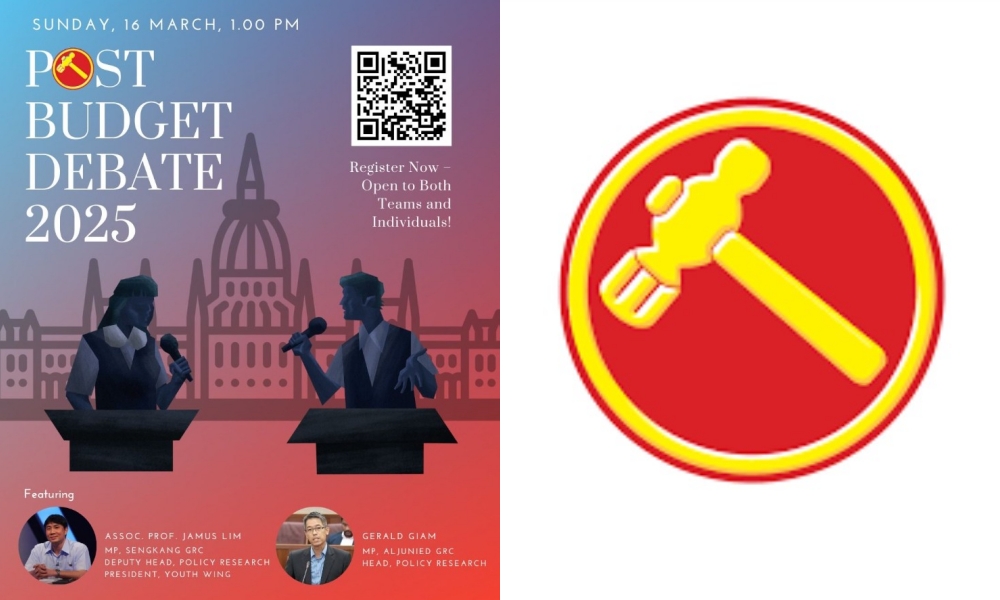
The Workers’ Party (WP) Youth Wing will host a post-Budget 2025 debate on 16 March, aiming to foster meaningful discourse such as economic security, the rising cost of living, and social welfare. Interested individuals are encouraged to sign up by 8 March. The event will feature WP MPs Associate Professor Jamus Lim and Gerald Giam.
Published

on

SINGAPORE: The Workers’ Party (WP) Youth Wing will hold a post-Budget 2025 debate on 16 March, encouraging public engagement on key national issues.

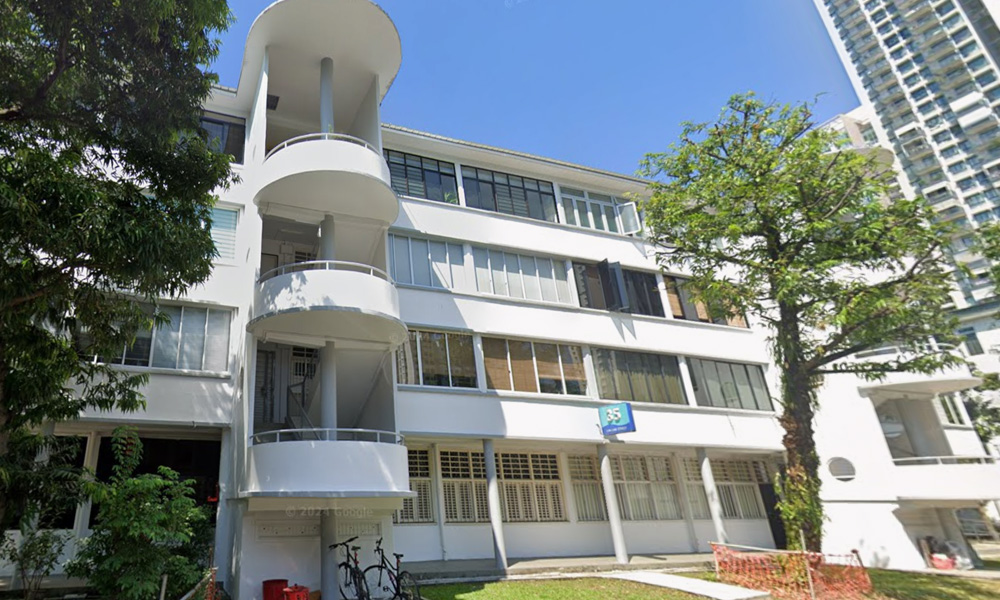
The event, scheduled from 1:00 PM to 3:00 PM at WP headquarters (701 Geylang Rd, #04-02, Singapore 389687), aims to promote meaningful discourse and sharpen public debating skills.

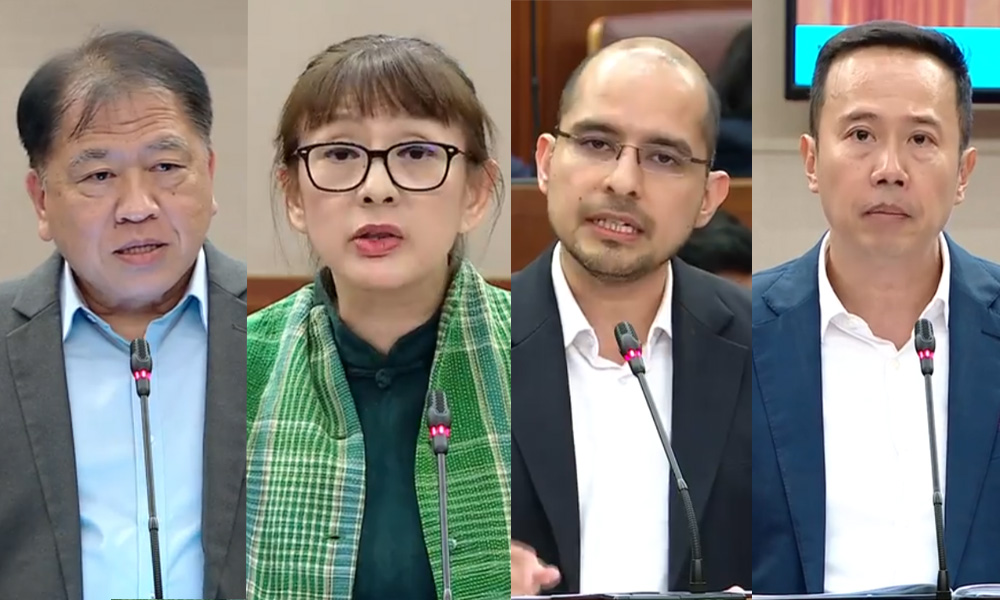
The debate will feature Aljunied GRC Member of Parliament (MP) Gerald Giam, who serves as WP’s Head of Policy Research, and Sengkang GRC MP Associate Professor Jamus Lim, the deputy head of policy research and WP Youth Wing president.

Participants will form teams of three to debate selected Budget 2025 topics in a structured format.

Discussions will cover critical issues such as economic security, social welfare, and rising living costs.

Interested individuals can sign up via a Google Form to participate, and shortlisted applicants will be notified by 8 March.

Individual applicants will be grouped into teams.

Budget 2025 highlights and public reaction

The WP Youth Wing’s event follows the unveiling of Budget 2025 by Prime Minister Lawrence Wong on 18 February.

The budget outlines nearly S$124 billion in government spending, with key measures including:

S$800 in CDC vouchers per household, up from S$600 in 2024
Tax rebates and financial aid for families with children, low-income households, and the elderly.

The SG60 package, a new initiative providing additional financial relief
Wong also projected a second consecutive fiscal surplus.

The government expects economic growth of 1% to 3% in 2025, compared to 4.4% in 2024. Meanwhile, core inflation—excluding housing and private transport—rose 1.8% in December 2024, marking the slowest increase since 2021.

Despite these measures, a new survey by Milieu Insight, conducted between 19 and 21 February among 1,002 Singaporeans, found that 55% believe Budget 2025’s provisions are insufficient in addressing the rising cost of living.

The survey also found that 47% of respondents felt reassured by Budget 2025 in managing daily expenses, up from 43% in 2024.

The SG60 package was the most well-received measure, with 72% finding it impactful, while 66% viewed the increased CDC vouchers as helpful.

However, some policies saw a decline in perceived effectiveness, such as CPF contribution rate increases, which fell from 22% in 2024 to 16% in 2025.

Economic concerns ahead of general election

With a general election due by November 2025, economic management is expected to be a central issue in public discourse.

While Budget 2025 has been better received than its predecessor, concerns over rising costs of living and housing prices remain prevalent.

These financial pressures have contributed to trends such as delayed marriages and decisions to remain single.

Although the budget introduces increased financial support, many Singaporeans remain sceptical about its effectiveness in addressing everyday expenses.

Share this:

Latest