55% of surveyed Singaporeans say budget measures are insufficient to tackle rising costs: Milieu Insight
55% of 1,002 Singaporeans polled believe the recent budget's S$124 billion allocation, including vouchers and elder-care subsidies, is inadequate to combat rising living expenses, according to a Milieu Insight survey.


A new survey by Milieu Insight has found that 55% of Singaporeans polled believe Budget 2025’s measures are insufficient in helping them cope with the rising cost of living.
The Singapore-based survey company polled 1,002 Singaporeans online between 19 and 21 February 2025, capturing public sentiment shortly after the budget announcement.
While the budget introduces increased financial support, many remain sceptical about its effectiveness in addressing everyday expenses.
Government’s Budget Announcement and Economic Projections
On 18 February 2025, Prime Minister Lawrence Wong unveiled Budget 2025, outlining nearly S$124 billion in government spending. Key measures include:
- S$800 in CDC vouchers per household, up from S$600 in 2024
- Tax rebates and financial aid for families with children, low-income households, and the elderly
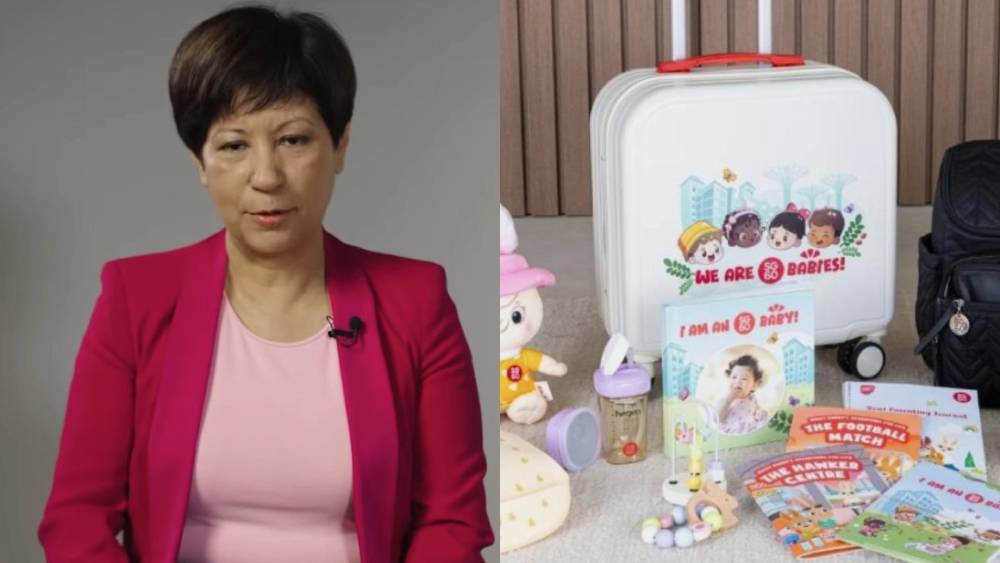
- SG60 package, a newly introduced initiative aimed at providing additional financial relief
Alongside these measures, Wong projected a second consecutive fiscal surplus.
The government expects economic growth of 1% to 3% in 2025, down from 4.4% in 2024, while core inflation—excluding housing and private transport—rose 1.8% in December 2024, marking the slowest rate since 2021.
Economic Stability vs. Public Sentiment
Despite the relatively stable economic outlook, survey findings paint a different picture. While 45% of Singaporeans in 2025 feel the budget provides adequate support—up from 38% in 2024—a majority (55%) still say it falls short in addressing cost-of-living concerns.
The survey also found:
- 47% of respondents felt reassured by the budget in managing daily expenses, up slightly from 43% in 2024
- 66% found the increased CDC vouchers helpful, compared to 65% in 2024
- 72% identified the SG60 package as impactful, making it the most well-received measure in 2025. However, some measures saw a drop in perceived effectiveness, such as CPF contribution rate increases, which fell from 22% in 2024 to 16% in 2025.
While the government has expanded financial support, the survey results indicate that many Singaporeans remain sceptical about its effectiveness.
The findings highlight a disconnect between the government’s optimistic fiscal outlook and public sentiment, suggesting that rising costs continue to strain households despite financial aid.
With a general election due by November 2025, the survey results may present a challenge for the ruling People’s Action Party (PAP).
This will be Lawrence Wong’s first election as PAP’s leader, having taken office in May 2024.
Public perception of economic management will likely be a key issue, and while Budget 2025 has been better received than its predecessor, the survey shows persistent dissatisfaction among a significant portion of the population.
As cost-of-living pressures remain high, how well the government responds could influence the upcoming electoral contest.