Pritam Singh issued max fine of S$14,000 for giving false testimony to Committee of Privileges
Workers’ Party chief Pritam Singh has been fined S$14,000 after being found guilty of giving false testimony to the Committee of Privileges. The court ruled that Singh’s statements were untrue and imposed the maximum fine. Singh has announced plans to appeal the verdict.
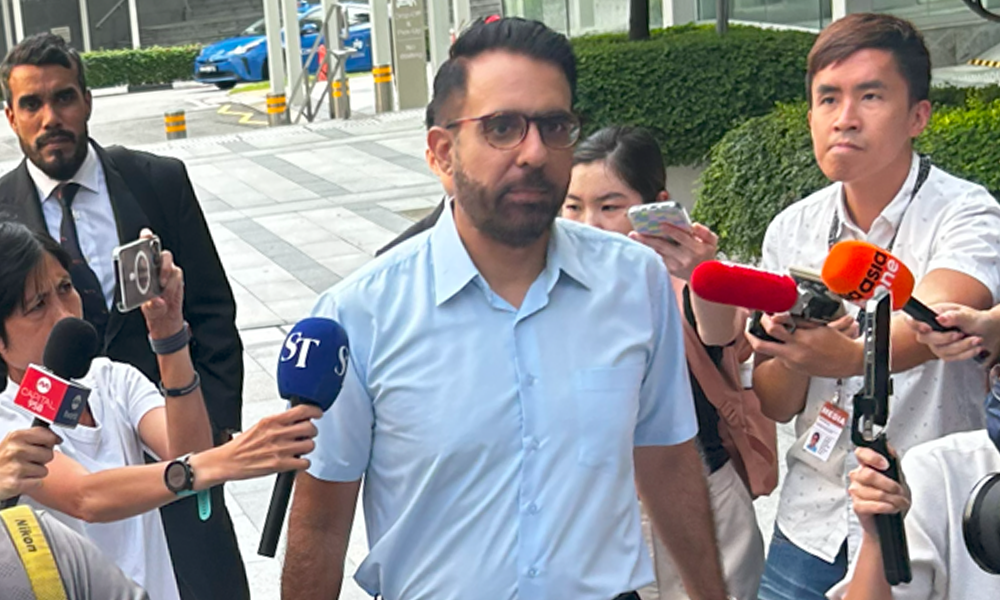

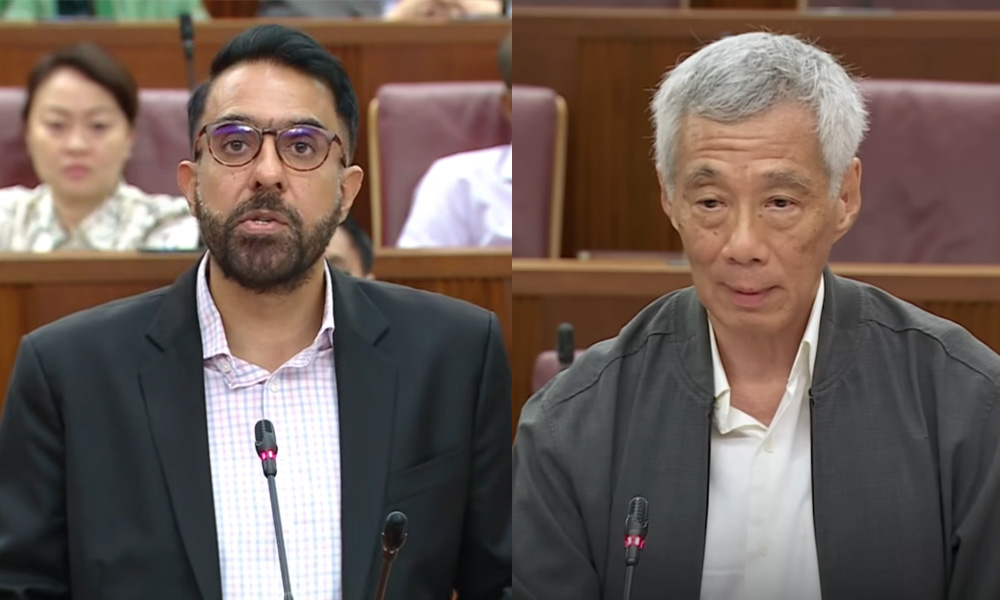
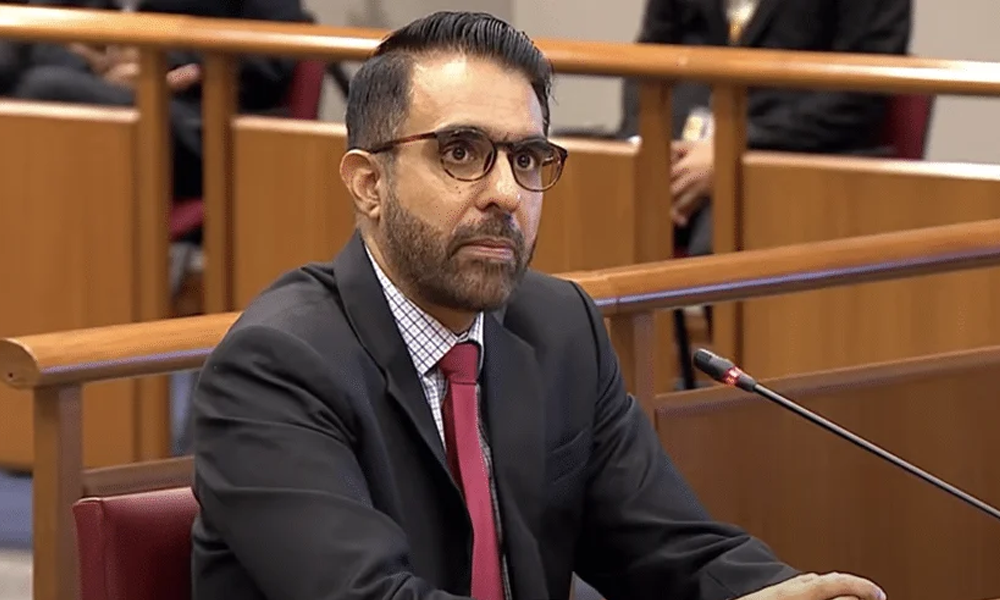
Workers’ Party (WP) chief and Aljunied GRC Member of Parliament (MP) Pritam Singh has been fined S$14,000 after being found guilty of providing false testimony to the Committee of Privileges (COP) in December 2021.
The penalty, issued by the State Court on Monday, consists of S$7,000 for each of the two charges under the Parliament (Privileges, Immunities and Powers) Act.
Judge Luke Tan, in delivering the sentence, referenced the precedent set in the case of Koh Yong Chia and considered Section 182 of the Penal Code, which deals with providing false information to a public officer.
The court highlighted aggravating factors, including Singh’s failure to recant his statements and the public resources expended due to his false testimony.
As a result, the maximum fine permissible under the law was imposed, with a default one-month imprisonment if the fine is not paid.
The court ruled that Singh’s statements were untrue and that he did not intend for the falsehoods to be corrected.
Judge Tan pointed out inconsistencies in Singh’s testimony, particularly his lack of follow-up after an 8 August 2021 meeting, which played a role in the guilty verdict.
Sentencing and Appeal Plans
During sentencing, the prosecution had sought a fine of S$7,000 per charge, while Singh’s defence team requested a lower fine of S$4,000 per charge.
The court ultimately ruled in favour of the prosecution’s request, reinforcing the gravity of Singh’s actions.
Following the verdict, Singh issued a statement on Facebook announcing his intention to appeal.
He also published his legal defence submissions on the Leader of the Opposition’s website, stating that the public should be able to examine his side of the story.
In his statement, he criticised the COP’s evidence-gathering process, particularly in relation to testimonies provided by Loh Pei Ying and Yudhishtra Nathan, both former WP members and associates of Raeesah Khan.
Singh’s Defence and Criticism of the COP Proceedings
In his statement, Singh claimed that the trial process had uncovered new facts not previously revealed to the COP. He argued that:
- He had rejected Loh Pei Ying and Yudhishtra Nathan’s alleged efforts to cover up Raeesah Khan’s falsehood with another lie.
- He had consistently urged Khan to substantiate her anecdote before Parliament.
- He had not attempted to control or influence Khan’s responses following her eventual admission of lying in Parliament on 1 November 2021.
- He had not coordinated with Loh and Yudhishtra before the COP hearings to align their testimonies.
- Unlike Loh, he had not deleted messages submitted to the COP.
Singh also questioned the credibility of the prosecution’s key witnesses, particularly highlighting that Khan had previously lied in Parliament and that Loh and Yudhishtra had allegedly conspired to conceal evidence.
Despite the court’s verdict, Singh maintained that he had acted consistently and transparently throughout the matter. He asserted that his legal team would closely review the court’s written judgment as part of his appeal process.
Background on the Case
The case stems from Raeesah Khan’s false statement in Parliament on 3 August 2021, where she claimed to have accompanied a sexual assault survivor to the police station and witnessed insensitive handling of the case by officers.
She later admitted in November 2021 that the anecdote was untrue.
The COP subsequently investigated the matter and found that Singh had provided false testimony regarding his communications with Khan. The committee’s findings led to criminal charges being filed against Singh, culminating in his conviction and sentencing.
As Singh prepares to appeal the ruling, the case remains a significant development in Singapore’s political landscape, particularly in light of the looming General Election