Former NMPs weigh in on resignations, warn of damage to scheme’s credibility
Former Nominated Members of Parliament (NMPs) have expressed concern over the recent resignations of Raj Joshua Thomas and Syed Harun Alhabsyi, warning that if they contest in the upcoming general election, it could undermine the non-partisan credibility of the NMP scheme. Some called for reforms, including a cooling-off period, while others argued that true neutrality does not exist.
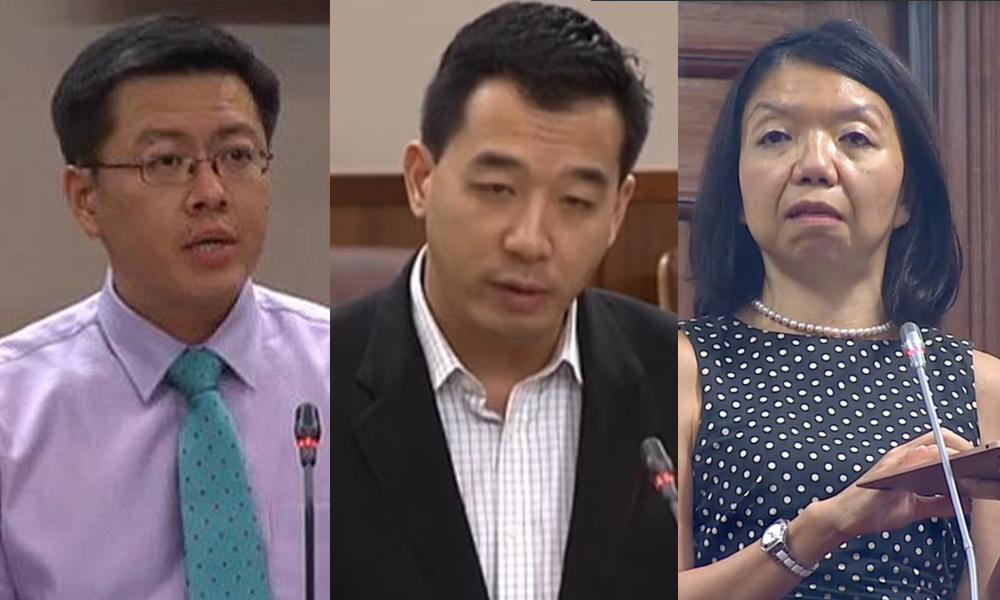

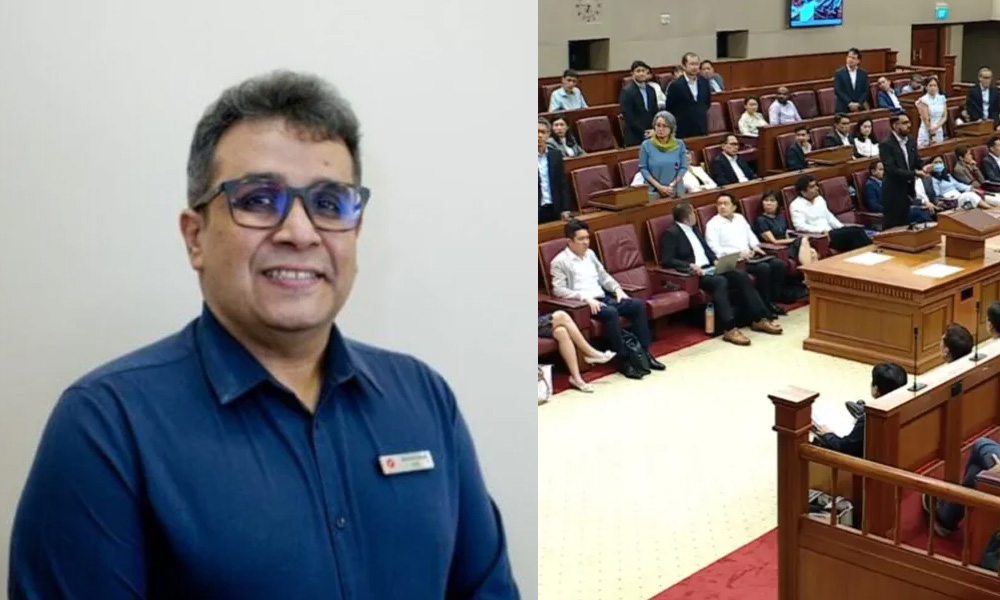
The resignations of Nominated Members of Parliament (NMPs) Raj Joshua Thomas and Syed Harun Alhabsyi have triggered widespread debate, with former NMPs voicing concerns that their potential transition to electoral politics could damage the credibility of the scheme.
Speaking to CNA, some warned that such a move could call into question the neutrality of the system, while others argued that true non-partisanship is an unrealistic standard.
Against the spirit of the institution
Several former NMPs told CNA that while there are no rules preventing an ex-NMP from running for election, doing so could erode public trust in the scheme.
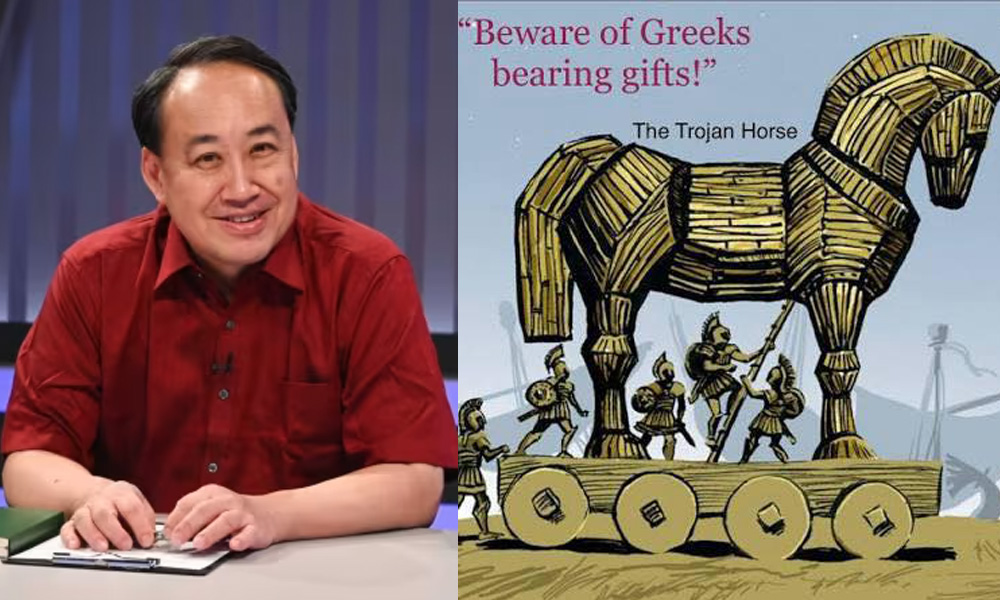
Former NMP Eugene Tan, an associate professor of law at Singapore Management University, said that during his tenure from 2012 to 2014, it "did not at all" cross his mind to enter partisan politics.
“How could one be non-partisan as an NMP if one was harbouring the thought of crossing the aisle to join a political party?” he told CNA.
Tan added that while NMPs have the right to enter politics, public perception would be key. “If both men don the party whites of the PAP (People’s Action Party), legitimate questions may be raised about whether the NMP scheme has become a new recruitment ground for the ruling party.”
Former NMP Nicholas Fang, who served from 2012 to 2014, similarly told CNA that an NMP’s independence is vital.
“In my time as NMP, and indeed in the years after, I have always felt that the independence and non-partisan nature of the role was a critical feature of the NMP scheme as a whole,” he said.
Fang warned that should an NMP resign mid-term to contest an election under a political party, it would “cast a pall over that aspect of the NMP scheme” and do a “disservice to the institution as a whole.”
Social entrepreneur Anthea Ong, who served as an NMP from 2018 to 2020, told CNA that she took the principle of non-partisanship seriously, seeing it as a means to advocate for causes without political constraints.
She noted that before the repeal of Section 377A, only NMPs spoke up about LGBTQ+ issues in Parliament—highlighting how their independence allowed them to raise concerns that might not be politically advantageous for elected MPs.
Calls for reform: A cooling-off period
Some former NMPs and political analysts suggested that reforms are needed to prevent the scheme from being seen as a stepping stone to partisan politics.
Associate Professor Walid Jumblatt Abdullah of Nanyang Technological University told CNA that allowing NMPs to enter electoral politics too soon after their term could cast doubt on the entire scheme.
“If that door is open for non-partisan people to join politics, people subsequently will start to think (if) NMPs are here because they want to join politics, and this is an audition (or) to get some name recognition,” he said.
As a matter of principle, Walid argued that anyone who has served as an NMP should never contest an election. “Once you (are) an NMP, you should accept that the door to electoral politics should be closed, and it shouldn’t just be temporary.”
Eugene Tan suggested a more measured approach, proposing a mandatory “cooling-off” period before an NMP could contest an election.
“This would remove most, if not all, of the concerns about whether an NMP had kept faith, in form and substance, with what it means to be an NMP,” he told CNA.
Independent political analyst Felix Tan also told CNA that former NMPs should at least sit out the next general election before running, as a way to ensure they did not use the NMP scheme for political advantage.
Additional concerns from political figures and observers
Beyond former NMPs, other political figures and commentators have weighed in.
Former Workers’ Party MP Leon Perera, who previously served on the parliamentary committee that reviewed NMP applications, has suggested a cooling-off period for NMPs before they join a political party.
He compared it to the waiting period he previously proposed for civil servants entering politics, arguing that it would help maintain public trust in the scheme.
Veteran journalist Bertha Henson also described the resignations as “unprecedented,” questioning whether Thomas and Harun would contest as independents or under a party banner.
“This is supposed to be the non-partisan voice in Parliament. It calls into question their political allegiance when serving as NMPs,” she wrote.
Walid, who had earlier shared his thoughts on social media, reiterated his concerns that the resignations could turn the NMP scheme into an “audition” for aspiring politicians.
He warned that the credibility of future NMPs could be called into question if they are perceived as using the role for political advantage.
The case for allowing former NMPs to run
However, not all former NMPs agreed that joining a political party after leaving the role was inappropriate.
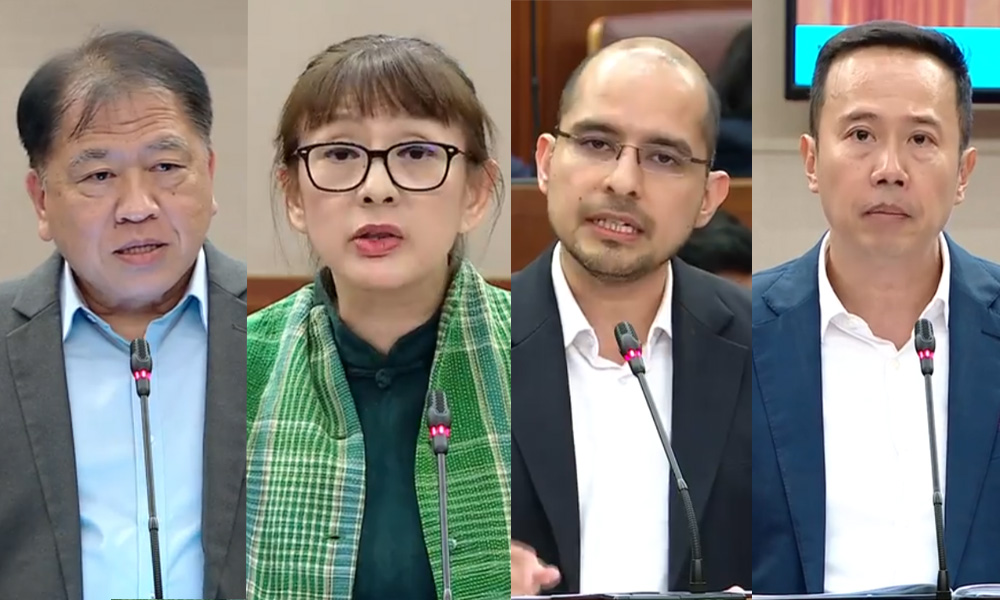
Former NMP Calvin Cheng, who served from 2009 to 2011, told CNA that an NMP’s non-partisan role in Parliament should not be confused with their personal political beliefs.
“During their time in Parliament, NMPs have to discharge their duties as non-partisan, independent parliamentarians—this is a job description,” he said.
Cheng added that no one is “truly neutral or non-partisan” and that everyone has their own political biases.
“When NMPs are asked to be non-partisan in Parliament, it merely means two things: One, (that) they have to put aside their own political bias and vote independently (and) second, they are not under any political party whip,” he explained.
“If an NMP then chooses to run for political office after, it doesn’t mean that when he was an NMP, he did not discharge his duties faithfully.”
However, Felix Tan countered that while everyone has political leanings, it is different from “intentionally joining a political party when given the advantage of being an NMP.”
He argued that it still calls into question a former NMP’s integrity and whether they had used the position as a stepping stone for political gain.
With the next general election widely expected to take place in 2025, and possibly as early as May, the debate over the role of NMPs and potential reforms to the system is likely to continue.
Should Thomas and Harun contest in the election, regardless of their party affiliation, it may force a broader reassessment of the scheme and whether stricter measures, such as a cooling-off period, should be introduced to maintain its credibility.