Aid trucks into Gaza limited to 30 per day by Israel as humanitarian crisis worsens amid airstrikes
The restriction of aid trucks to 30 per day has deepened the humanitarian crisis in Gaza, leaving over 2 million residents with critical shortages of food, medicine, and essential supplies. Meanwhile, Israeli airstrikes killed 12 more on Monday, as the death toll since the conflict began nears 43,400.
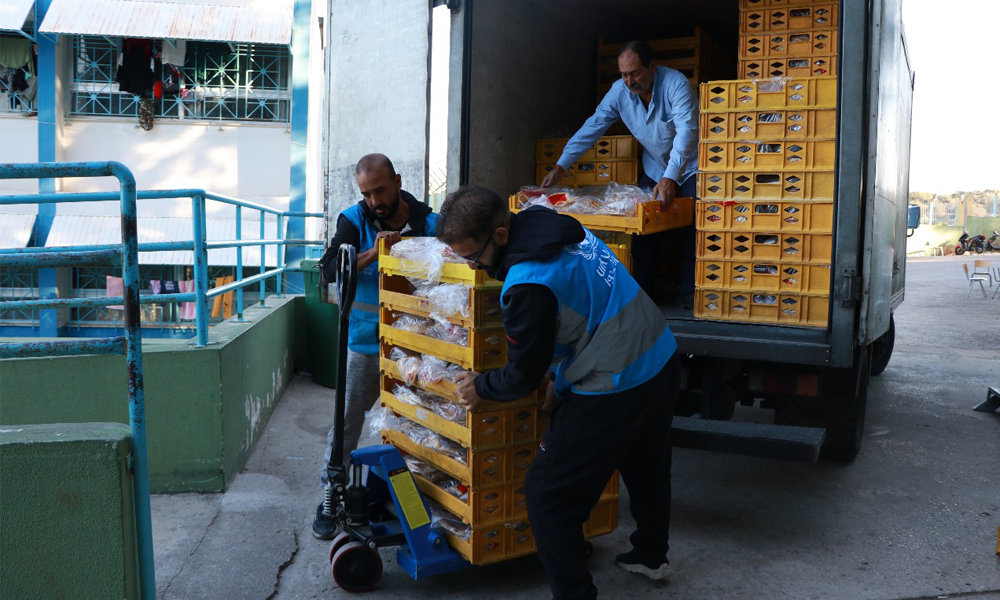

Amid escalating airstrikes, Israel has reduced the number of aid trucks entering Gaza, further aggravating critical shortages of food, medicine, and other supplies.
The UN Palestinian refugee agency, UNRWA, reported the reduction on Monday, expressing concern over the worsening humanitarian situation for Gaza's 2 million residents, while Israeli officials disputed this, insisting no restrictions had been imposed.
https://www.twitter.com/UNRWA/status/1853101539281281369
The ongoing violence led to at least 12 fatalities on Monday alone. Medics reported that seven people died in an airstrike on two houses in Beit Lahiya, a town in northern Gaza, while five others lost their lives in separate strikes across central and southern regions.
According to local health officials, nearly 43,400 Palestinians, predominantly women and children, have been killed since the conflict began, with over 102,200 wounded.
UNRWA head Philippe Lazzarini stated that aid deliveries have dropped to an average of 30 trucks daily, a drastic cut representing just 6% of pre-war levels.
“This cannot meet the needs of 2 million people, many of whom are starving, sick, and in desperate conditions,” Lazzarini stated on X, previously Twitter. These reductions, he warned, add to what he described as “unspeakable suffering” for residents of the enclave.
https://www.twitter.com/UNLazzarini/status/1853424351330046345
Israel's government, however, denied placing limits on aid, pointing to 47 trucks that entered northern Gaza on Sunday.
Yet, according to Reuters, official data indicated October’s aid shipments were the lowest in over a year. The restrictions align with Israel’s recent decision to cancel its 1967 agreement with UNRWA, marking a shift in its approach to humanitarian support in Gaza. Israel has indicated that other UN agencies will coordinate future aid efforts.
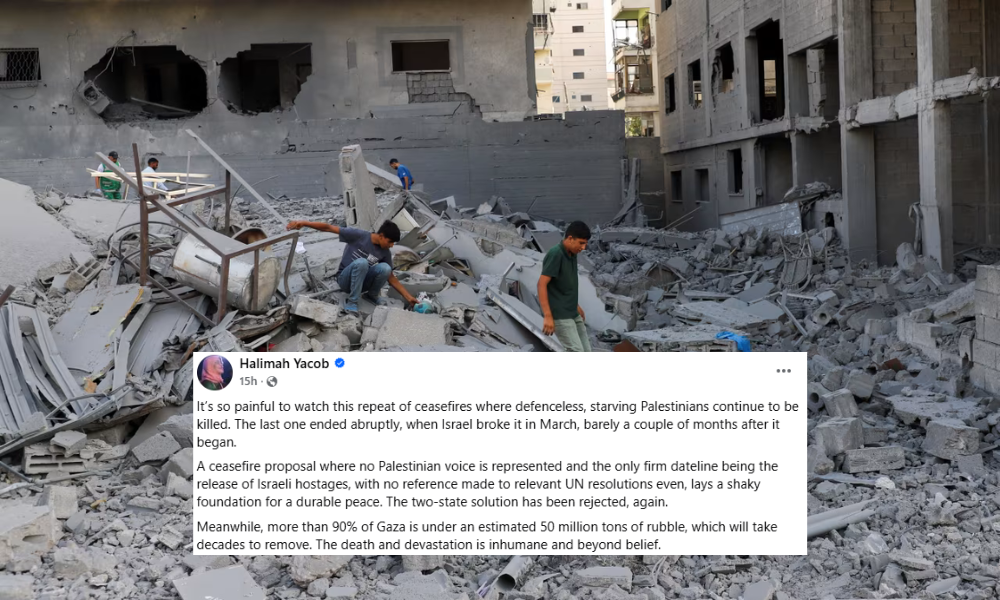
This aid reduction compounds the challenges for Gaza’s medical facilities, already struggling with widespread shortages. The Palestinian Health Ministry reported that Israel's forces had repeatedly bombed the Kamal Adwan Hospital, injuring patients and staff and making movement within the facility perilous.
Accusations emerged from Gaza’s health authorities that Israel’s actions had placed staff and patients at risk. Israel maintains that it seeks to minimise harm to civilians in its operations against Hamas, alleging that militants use civilian sites, including hospitals, to launch attacks—a claim Hamas denies.
UNRWA’s warning comes amid escalating conflict in areas such as Jabalia, Beit Hanoun, and Beit Lahiya. Israeli forces entered these towns on 5 October, aiming to disrupt Hamas operations, which has led to significant casualties and displacement.
Orders to evacuate certain towns and a refugee camp in northern Gaza have fuelled speculation about Israel’s intention to create buffer zones. Israel defends these actions as efforts to reduce civilian casualties as fighting persists.
The human toll has drawn international scrutiny, with Israel now facing a genocide case at the International Court of Justice (ICJ) concerning its conduct in Gaza.
The case could lead to a prolonged legal examination of Israel’s actions under international law. Israel claims it has killed hundreds of Palestinian militants and dismantled military infrastructure, particularly in Jabalia, since operations began.
The immediate background of the conflict traces back to Hamas-led militants’ 7 October 2023 incursion into Israel, resulting in approximately 1,200 deaths and 251 hostages taken to Gaza.
Israel has continued its strikes and ground offensives in response, claiming substantial progress in dismantling Hamas assets.
Monday’s airstrikes are part of a month-long campaign that has inflicted heavy civilian losses across Gaza.
Amid the continuing conflict, UNRWA’s Lazzarini warned that any restrictions on humanitarian access, combined with Israel’s termination of its UNRWA agreement, intensifies the already severe suffering of Gaza’s residents. The United Nations had previously raised concerns over UNRWA staff links to the 7 October attack, leading to nine dismissals, including a Hamas-affiliated commander who was killed in Lebanon by Israeli forces.
The aid restrictions, coupled with continuous military operations, heighten the vulnerability of Gaza’s residents, and UN agencies remain at the centre of negotiations as the humanitarian crisis deepens.