MHA Minister declines to disclose stay duration data for newly granted SCs and PRs
In response to WP MP Louis Chua's request, Minister Shanmugam declined to release specific data on the duration of stay in Singapore for those granted Singapore citizenship and permanent residency in 2023, citing the risk of data misuse to game the system. He assured that application assessments consider various factors, with residency length being just one of them.


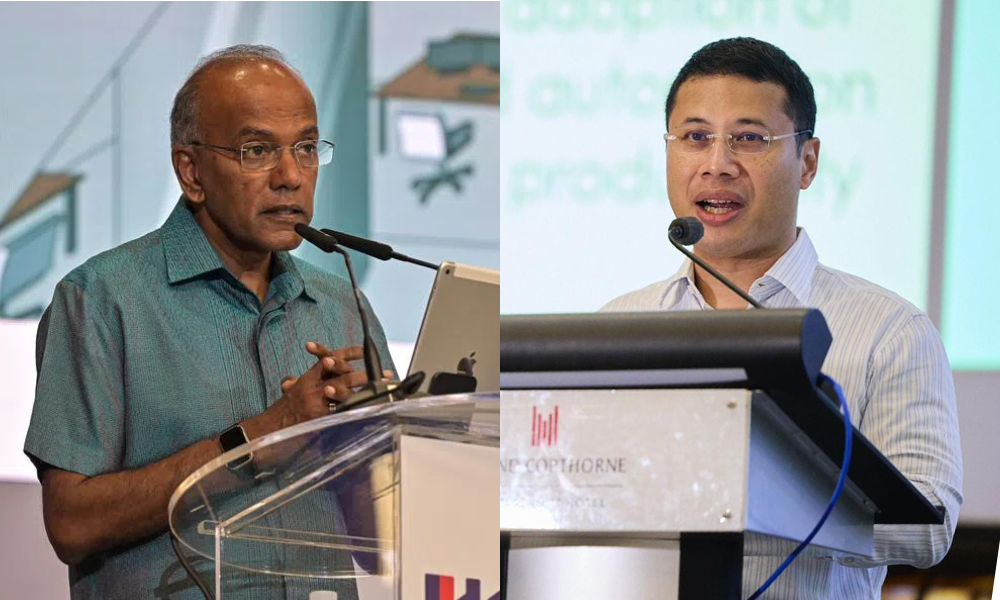
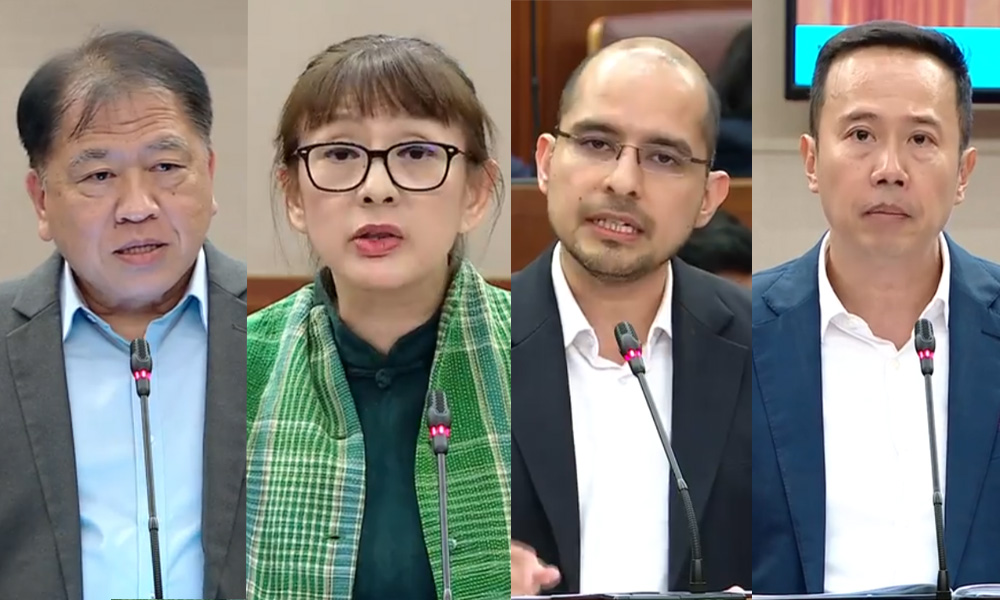
SINGAPORE: Mr K Shanmugam, Minister for Home Affairs and Law, said the government will not release specific data on the duration of stay in Singapore for those granted Singapore citizenship (SCs) and Permanent Residency (PRs) in 2023. This decision comes in response to a data request from Workers' Party Member of Parliament (MP) Louis Chua.
The minister explained that this decision is motivated by concerns that potential applicants might manipulate their applications to meet perceived benchmarks, thereby "gaming the system."
He also cautioned that foreign countries could misuse publicly available data to undermine Singapore's national interests.
Mr Shanmugam was responding to a parliamentary question filed by Mr Chua.
The Sengkang MP asked the Minister with regard to new permanent residencies and new citizenships granted in 2023, what is the 25th percentile, median, average, and 75th percentile of the duration in which adult foreigners have resided in Singapore prior to obtaining permanent residence.
He further queried for the similar data for adult permanent residents who have held their permanent residence prior to obtaining Singapore citizenship.
Minister Shanmugam: Length of Residency is Just One Factor in Application Assessments
In a written reply on 14 October, Mr Shanmugam affirmed that the government publishes the number of PRs and SCs granted each year, along with selected profile indicators such as age group, highest qualifications attained among those aged 20 and over, and region of origin.
He stated that the Immigration & Checkpoints Authority (ICA) assesses each application for Permanent Residency and Singapore Citizenship based on a range of factors.
The applicant's length of residency is only one of the factors considered.
Other factors include, but are not limited to, the applicant's family ties to Singaporeans, economic contributions, educational qualifications, age and family profile, the applicant's ability to integrate into society, and their commitment to establishing roots in Singapore.
Mr Shanmugam further noted that different criteria may apply to different applicants, depending on their background and circumstances.
"For example, an applicant applying as a spouse of a SC will be considered differently from someone applying on the basis of having stayed in Singapore for a period of time, and contributed to employment creation in Singapore."
While declining Mr Chua's request for specific data, Mr Shanmugam reiterated that releasing such information could lead to manipulation by potential applicants.
He emphasised the importance of being judicious about the information shared, despite the government publishing some general indicators such as age, education level, and region of origin for PRs and SCs.
"We have to be careful that we do so in a way consistent with our national interests. "
The latest response from Minister Shanmugam is consistent with his previous statements regarding new PRs and SCs applications.
In 2021, in a response to PAP MP for Choa Chu Kang GRC Mr Zhulkarnain Abdul Rahim's queries about the reasons for unsuccessful permanent residency applications, Minister Shanmugam reiterated that the Immigration and Checkpoints Authority (ICA) evaluates these applications based on various factors.
He explained that specific reasons for rejections are not disclosed to prevent potential misuse and safeguard Singapore's national interests.
In February 2023, NCMP Leong Mun Wai inquired about the number of non-citizen brides and grooms who married Singapore citizens and subsequently obtained Singapore citizenship from 2000 to the present. He also requested a breakdown by country of origin and the median duration after marriage before citizenship is granted.
In response, Minister Shanmugam stated that, on average, about 2,700 foreign spouses have become Singapore citizens each year from 2000 to 2022. However, he declined to provide detailed breakdowns by specific country due to concerns about potential bilateral sensitivities.
He noted that foreign spouses must first be Permanent Residents before applying for citizenship, and the time between marriage and obtaining citizenship can vary significantly based on individual circumstances and various factors assessed by the ICA.
23,472 individuals granted citizenship in 2023
The latest National Population and Talent Division (NPTD), published on 24 September, noted that in 2023, 23,472 individuals were granted citizenship, while 34,491 individuals were granted permanent residency.
The average number of new citizenships and permanent residencies granted per year over the last five years was 22,400 citizenships and 32,600 permanent residencies, slightly higher than the preceding five-year period, which recorded averages of 21,600 citizenships and 31,100 permanent residencies.