Singapore's double standards: Sanctioning Russia while tolerating Israel's actions
Opinion: Singapore's support for Israel despite its illegal occupation of Palestine contrasts sharply with its sanctions on Russia for invading Ukraine.


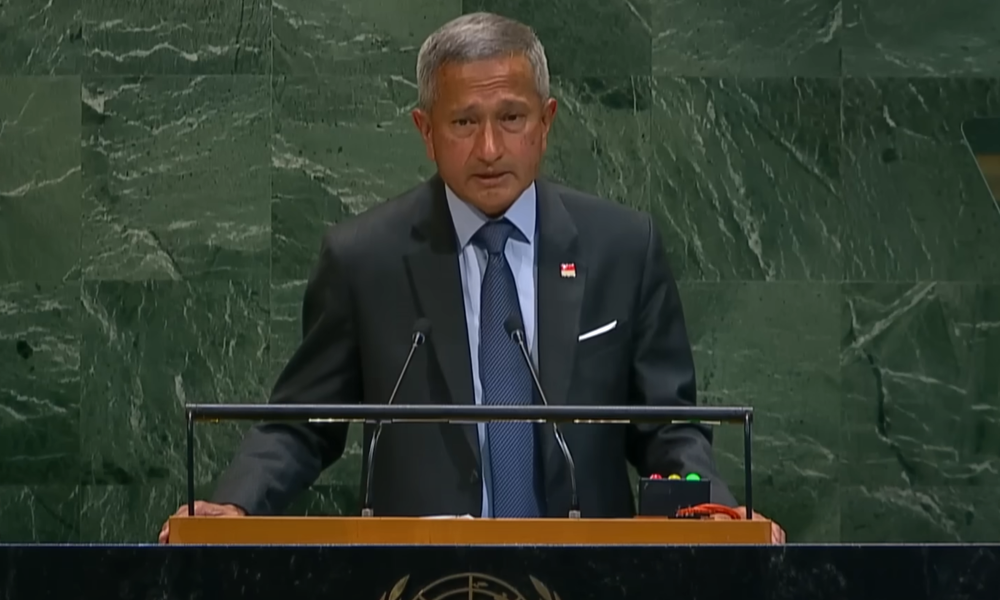
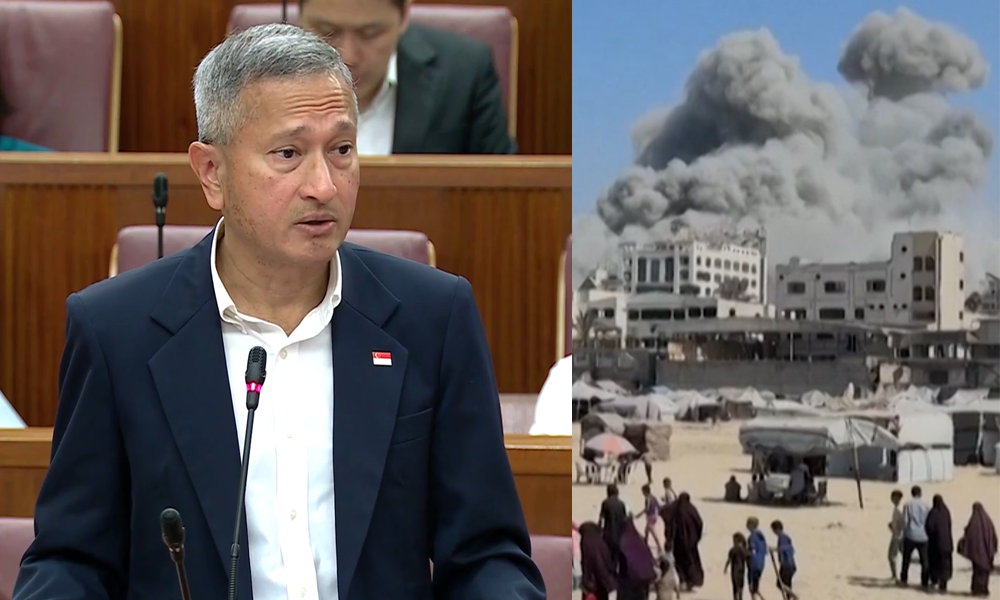
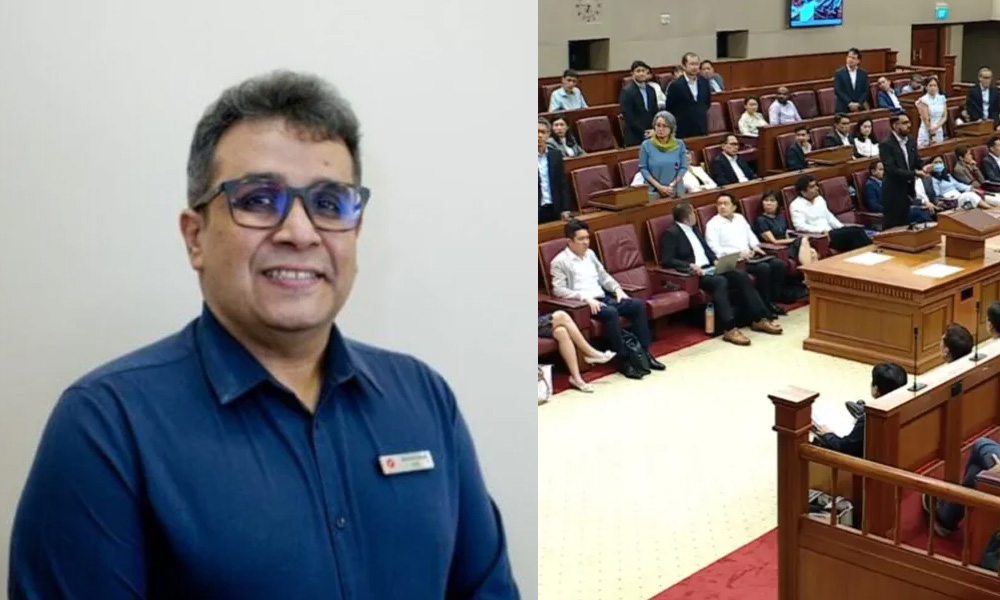
On 22 July 2024, Dr Vivian Balakrishnan, Singapore's Minister for Foreign Affairs, made a heartfelt statement regarding the ongoing conflict in Gaza, now in its ninth month.
He detailed Singapore's extensive humanitarian efforts, highlighting the contributions of various organizations and the deployment of resources to aid the beleaguered Palestinian civilians.
However, while these efforts are commendable, they also expose a glaring inconsistency in Singapore's foreign policy stance—its recognition of Israel's occupation of Palestine contrasts sharply with its unilateral imposition of sanctions on Russia following its invasion of Ukraine.
Dr Balakrishnan reiterated Singapore's long-standing position on Israeli settlements, condemning them as illegal under international law and a significant obstacle to a negotiated two-state solution.
He emphasized Singapore's support for UN General Assembly resolutions rejecting Israeli settlements and calling for the rescinding of unilateral measures affecting Jerusalem.
Despite these statements, Singapore maintains diplomatic and economic ties with Israel, a nation condemned by the International Court of Justice (ICJ) for its illegal occupation of Palestinian territories and numerous violations of international law.
The ICJ's advisory opinion, issued on 19 July 2024, unequivocally declared Israel's presence in the occupied Palestinian territory as unlawful and called for its immediate cessation.
The court's ruling outlined Israel's violations, including the expansion of settlements, exploitation of resources, and discriminatory policies against Palestinians. It stressed that other nations should not assist in maintaining Israel's presence in these territories. Yet, Singapore's relationship with Israel continues unperturbed, despite these violations.
In stark contrast, Singapore's response to Russia's invasion of Ukraine was swift and severe.
Following Russia's actions, Singapore imposed stringent sanctions and restrictions, aligning with other like-minded nations to constrain Russia's capacity to wage war.
These measures included export controls on military and dual-use goods and financial restrictions targeting Russian banks and entities.
Singapore justified these actions by underscoring the importance of international law and the UN Charter, principles it deemed essential for its survival as a small state.
This dichotomy in Singapore's foreign policy raises questions about its consistency and commitment to international law.
While Singapore condemned Russia's invasion of Ukraine and implemented sanctions, it continues to engage with Israel despite similar, if not more prolonged, violations of international law in Palestine. This selective application of principles suggests a form of hypocrisy, undermining Singapore's credibility as a staunch supporter of international law.
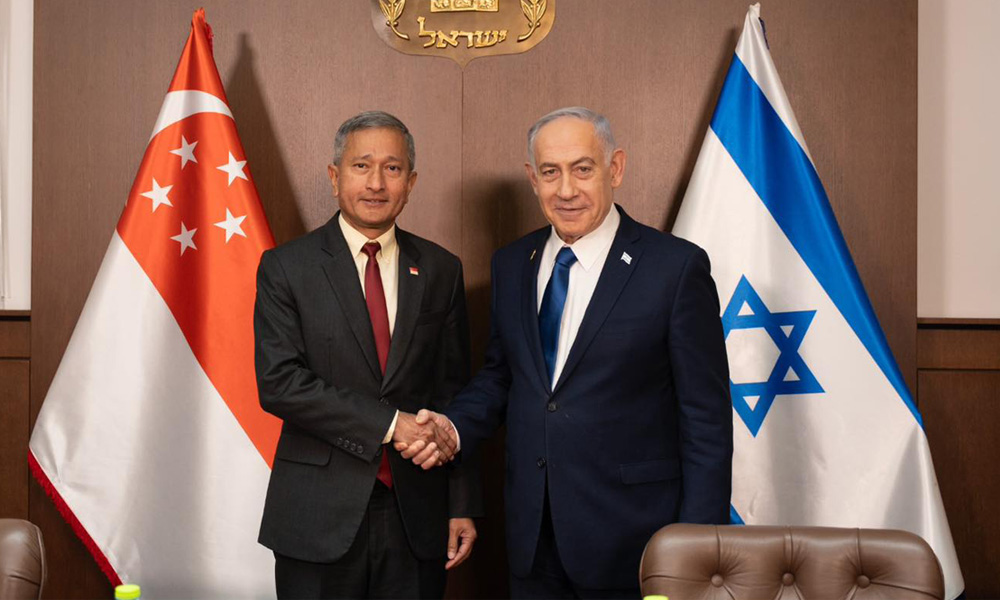
Adding to this inconsistency — on top of the ongoing trade between the two countries — is the appointment of Ian Mak as Singapore’s first resident ambassador to Israel in December last year. This historic appointment came despite Israel's ongoing occupation of Palestinian territories, reinforcing the perception of a double standard in Singapore's foreign policy.
Since Singapore gained independence in August 1965, it has maintained close diplomatic relations with Israel, a major supplier of arms to Singapore.
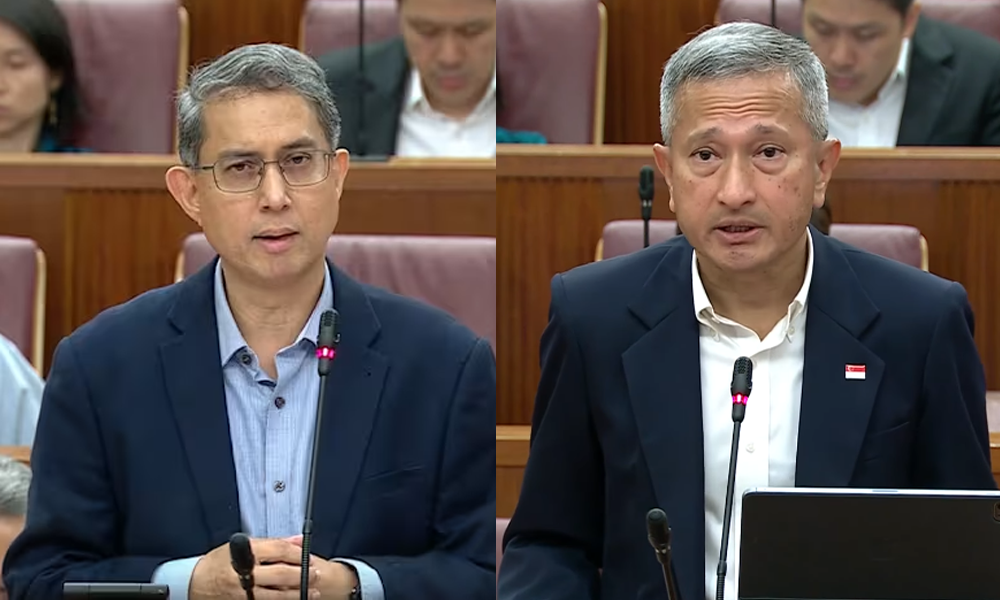
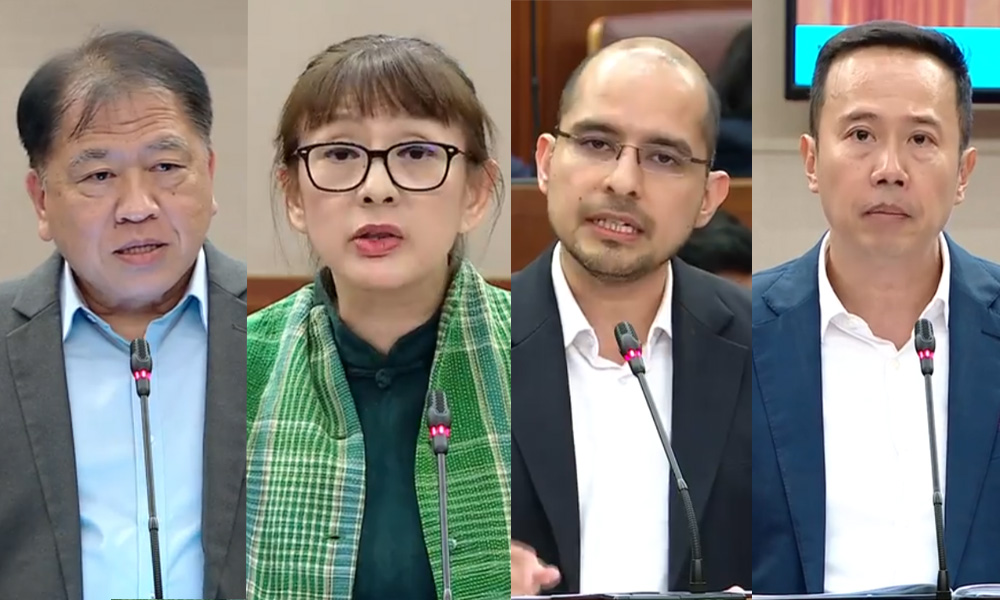
When asked by Progress Singapore Party's Leong Mun Wai whether Singapore has made any defense sales, such as weapons or any other material that can cause harm to civilians, to Israel since 7 October 2023, Dr Balakrishnan declined to reveal, citing the Government's established policy of not publicly divulging any details of defense sales for national security reasons.
While Singapore strictly complies with international obligations on arms sales and the United Nations' (UN's) sanctions and embargoes against any country, including submitting regular reports to the UN Register of Conventional Arms, Israel is not part of any international sanctions, making his point moot.
In February this year, Israel's defence industry was out in force at the Singapore Airshow, showcasing their technology amidst the killings of Palestinians. Dr Balakrishnan's statement on Gaza, while expressing deep concern and showcasing humanitarian efforts, inadvertently highlights this inconsistency.
Singapore's actions towards Israel and Palestine should align with its principled stance on international law and territorial integrity.
Failing to do so not only compromises its moral authority but also exposes a double standard that cannot be ignored. If Singapore is to maintain its credibility on the global stage, it must apply its principles uniformly, condemning and acting against violations of international law regardless of the violator.