ICJ ruling on Israel's illegal occupation of Palestine throws Balakrishnan's 'family quarrel' out the window
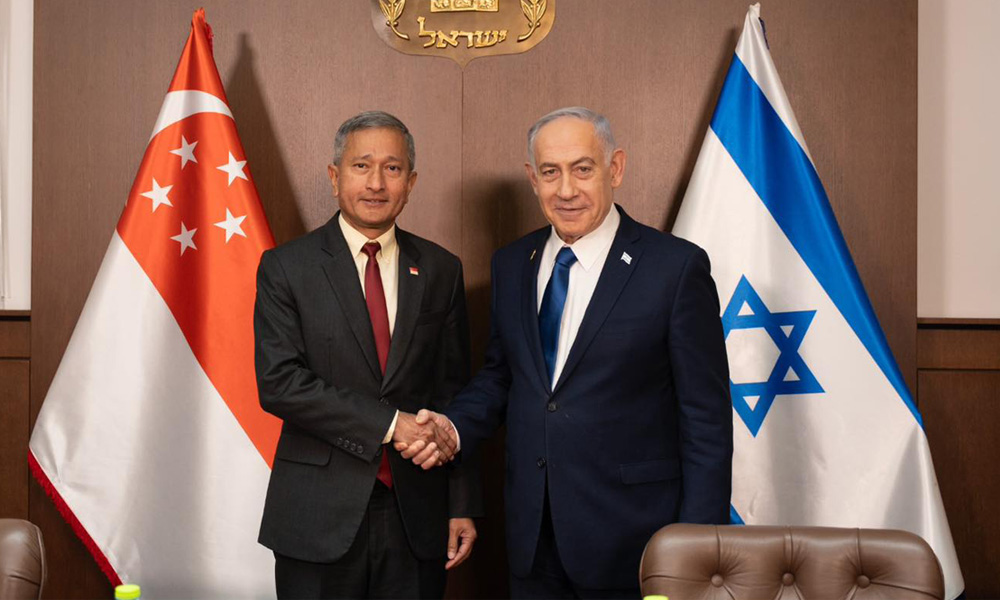
The International Court of Justice's landmark ruling declaring Israel's occupation of Palestinian territories illegal throws Singapore Foreign Minister Vivian Balakrishnan's characterization of the Israel-Palestine conflict as a "family quarrel" out the window. The court reframed the issue as one of legality, not merely a negotiable political dispute.


In a recent landmark ruling, the International Court of Justice (ICJ) declared Israel's occupation of Palestinian territories as illegal, calling for an end to the occupation "as rapidly as possible."
This development has placed Singapore's Foreign Minister Vivian Balakrishnan in a challenging position, given his previous characterization of the Israel-Palestine conflict as a "family quarrel."
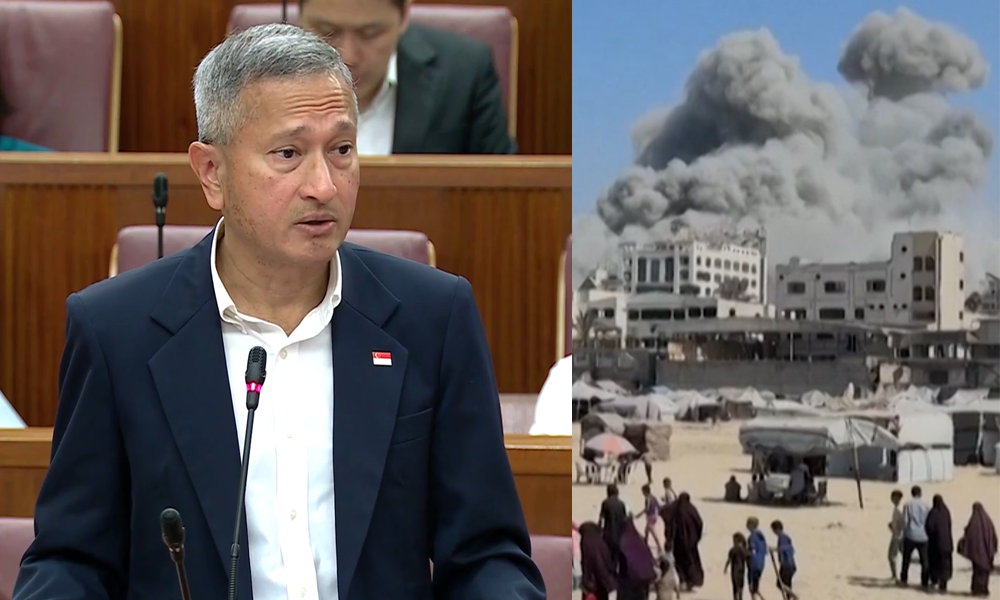
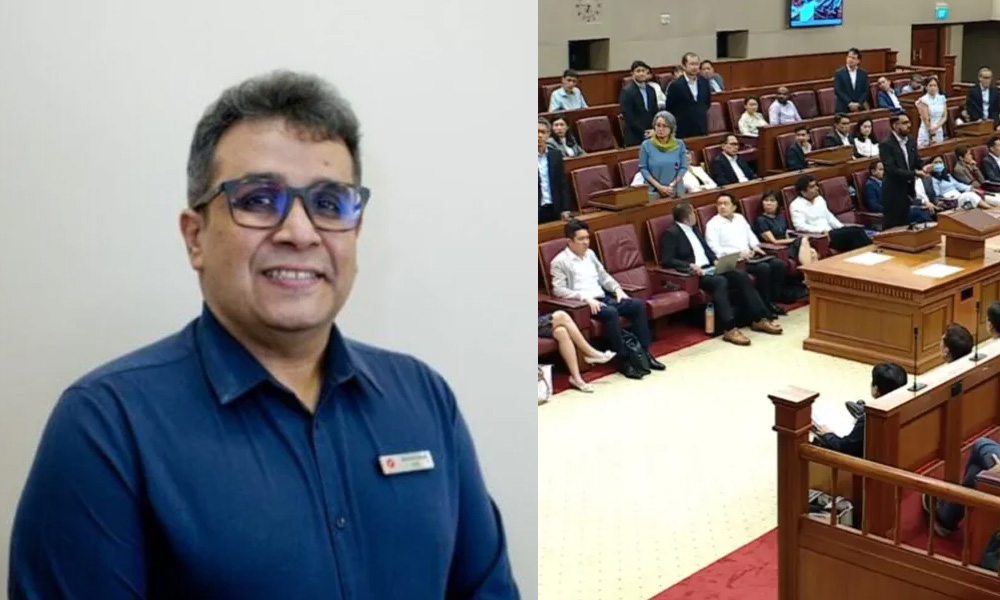
Minister Balakrishnan recently addressed Parliament, stating that Singapore is "prepared in principle" to recognize Palestine as a sovereign state if it has an effective government that renounces terrorism and accepts Israel's right to exist.
He emphasized that Singapore's vote in favour of Palestine's membership in the United Nations was made after "very careful consideration" and reflects the country's support for international law and the two-state solution.
This principled stance, however, seems to be at odds with the recent ICJ ruling.
The ICJ's advisory opinion highlighted various Israeli policies, including settlement expansion and discriminatory practices, as violations of international law. The ruling underscores that Israel's presence in the occupied territories is unlawful and obstructs Palestinians' right to self-determination. The court further called on other nations to refrain from assisting in maintaining Israel's presence in these territories.
Singapore's reliance on the ICJ to resolve its territorial dispute with Malaysia over Pedra Branca adds another layer of complexity to this issue.
In 2008, the ICJ ruled in favour of Singapore, affirming its sovereignty over Pedra Branca while awarding Middle Rocks to Malaysia. This ruling was seen as a triumph for international law and Singapore's commitment to resolving disputes through legal channels.
Singapore has historically championed international law, as demonstrated by its approach to the Pedra Branca dispute. Yet, the characterization of the Israel-Palestine conflict as a mere "family quarrel" now appears dismissive in light of the ICJ's findings.
The contradiction raises questions about whether Singapore's foreign policy is consistent and whether it fully aligns with the principles of international law it espouses.
Dr Balakrishnan's statements in Parliament stressed the need for an effective Palestinian government that rejects terrorism and accepts Israel's right to exist as prerequisites for recognition. However, the ICJ ruling shifts the focus to Israel's obligations and the illegality of its occupation. This divergence in perspectives puts Singapore in a difficult position, as it must reconcile its support for international law with its diplomatic relationships and previous statements.
Furthermore, since the Hamas-led attack on Israel on 7 October, Israeli Finance Minister Bezalel Smotrich has withheld sums earmarked for administration expenses in Gaza.
Israel also deducts funds for electricity, water, and costs to treat Palestinians in Israeli hospitals. In June, Israel made public that it had approved the seizure of more than 12 sq km of Palestinian land in the occupied West Bank – its largest land grab since 1993. The move follows a series of similar land seizures over the past two years. In 2023, for example, Israel established a record 26 settlements in the West Bank, forcing 21 Palestinian communities from their homes.
Alongside greater financial control, which has brought the Palestinian Authority to its knees, these land grabs should be seen as part of Israel’s broader goal to control more of the West Bank and prevent the development of a Palestinian state. This intention has been reflected clearly in comments made by Smotrich and his fellow far-right cabinet colleagues.
Following the most recent land grab announcement, Smotrich was quoted saying: “Thank God, we are building and developing the settlements and thwarting the danger of a Palestinian state.”
These acts clearly show that Israel has no intention of allowing Palestine to have an effective government. Given that they are the occupying forces, as ruled by the ICJ, it is unreasonable to say that Singapore will only recognize the state when it has an effective government, considering the measures by Israel to undermine such efforts.
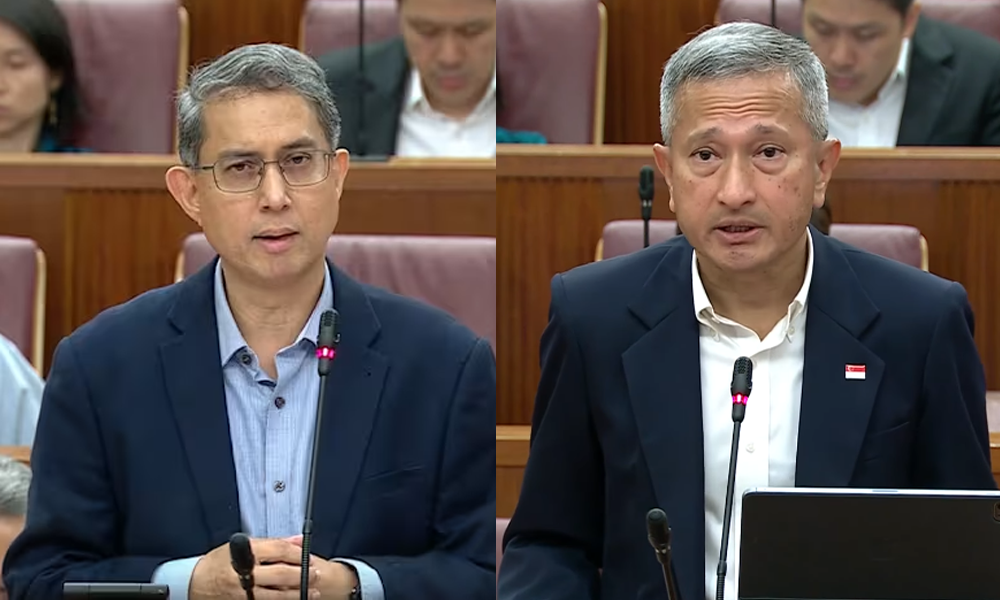
In response to a supplementary question by Workers' Party MP Gerald Giam on the thresholds for recognizing Palestine, Dr Balakrishnan emphasized that Singapore's key consideration is whether such recognition would advance peace. He acknowledged the complexities and the different thresholds countries might have for making this decision, highlighting that Singapore will not lock itself into a specific timeline or condition based on other countries' actions.
This nuanced approach, while diplomatically cautious, will not fully address the implications of the ICJ's ruling or the fact that 147 out of 193 member states in the United Nations General Assembly have already officially recognized the State of Palestine, much to Israel's displeasure.