Experts point evidence masks help to prevent infections; CDC and WHO review guidelines on the use of masks
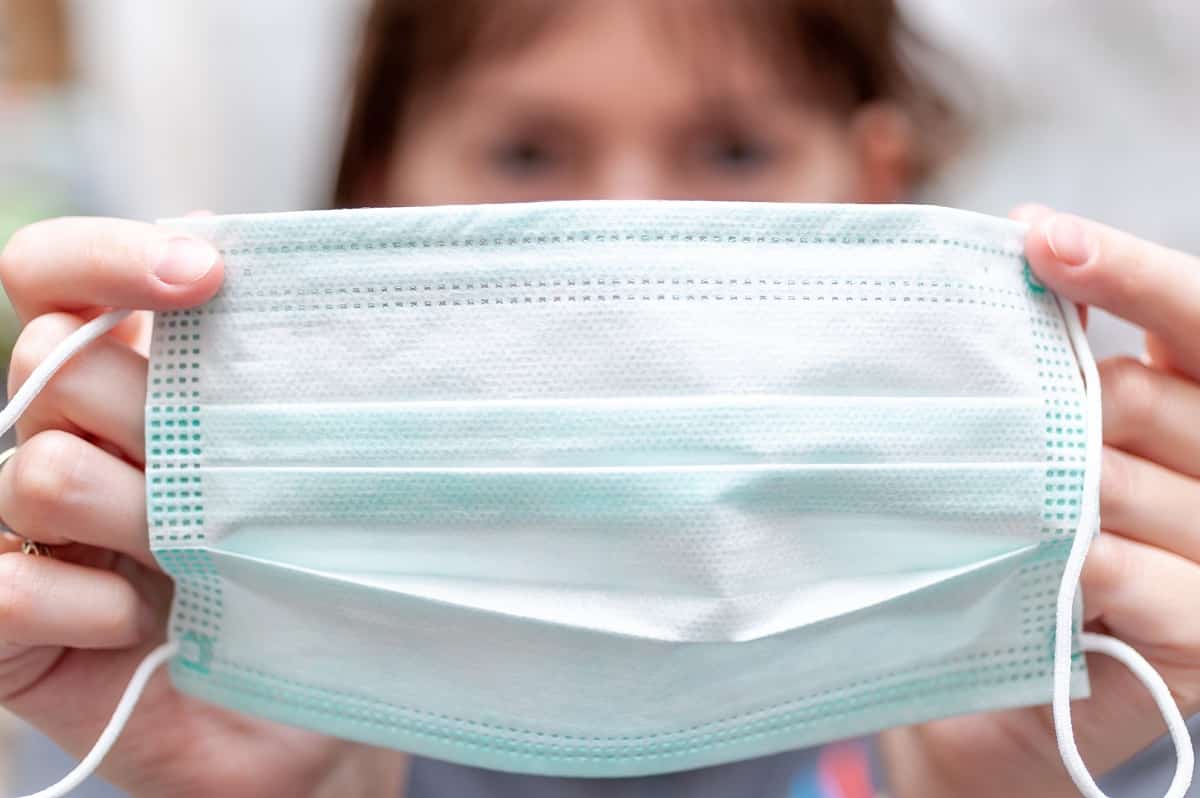

Many officials from around the world have claimed that wearing masks is unnecessary especially those who are non-symptomatic of the COVID-19 virus.
Both the Centers for Disease Control and Prevention (CDC) and the World Health Organization (WHO) previously reiterated that there is no need for the public to wear masks unless they are sick and coughing, and stated masks only necessary for the health care workers.
Similarly, Singapore’s Prime Minister Lee Hsien Loong noted on 30 January that “there is no need to wear a mask if we are well”.
Despite the officials’ claim that wearing facemasks ‘don’t work’, there is no strong evidence to support that, according to an expert in microbiology at the University of California at Berkeley, Adrien Burch. He added that there is evidence that masks can help to prevent infections, CNN reported earlier today.
Referring to a Cochrane Review, Mr Burch pointed out a study on local transmission of the 2003 Severe Acute Respiratory Syndrome (SARS) in Beijing which discovered that “consistently wearing a mask in public was associated with a 70% reduction in the risk of getting infected”.
"Based on the research, face masks are much more likely to help than to hurt," according to Burch. "Even if it's just a homemade cloth mask, if you wear it correctly and avoid touching it, the science suggests that it won't hurt you and will most likely reduce your exposure to the virus."
Countries such as Taiwan, South Korea, and China that have encouraged their people to wear masks in public seem to have greater success in preventing major outbreaks like the current pandemic.
An infectious disease specialist at the Hong Kong University School of Medicine, Ivan Hung told CNN that wearing a mask is likely the most important factor when controlling the infection, as he referred to the numbers of COVID-19 cases in Hong Kong.
"And it not only brings down the cases of coronaviruses, it also brings down the influenza," he said. "In fact, this is now the influenza season, and we hardly see any influenza cases. And that is because the masks actually protected not only against coronaviruses but also against the influenza viruses as well."
Hong Kong had only reported about 150 COVID-19 cases in early March despite not imposing much draconian population controls, the country’s cases increased after people came back from Europe and the United States (US).
CDC and WHO review guidelines on the use of masks
As the rates of transmission of COVID-19 virus increase, director of the CDC, Dr Robert Redfield said that the CDC is reviewing its guidelines on who should wear masks, The New York Times reported on 31 March.
“The guidance on mask-wearing was being critically re-reviewed, to see if there’s potential additional value for individuals that are infected or individuals that may be asymptomatically infected,” Dr Redfield noted.
According to Dr Redfield, the COVID-19 virus could be three times as infectious as the flu, adding that some people who are infected with the virus will transmit it to other people after two days before showing any symptoms.
“This helps explain how rapidly this virus continues to spread across the country, because we have asymptomatic transmitters and we have individuals who are transmitting 48 hours before they become symptomatic,” Dr. Redfield said in the interview.
He added, “That’s important, because now you have individuals that may not have any symptoms that can contribute to transmission, and we have learned that in fact they do contribute to transmission.”
As for the WHO, the organization is now weighing to decide if masks should be recommended to be worn by people. The decision came after the new research in the US suggests that droplets from coughs can reach as far as 6m and from sneezes up to 8m.
The panel’s chair, Prof David Heymann, who is the former director at WHO, told BBC that the new research may lead to a shift in advice about masks. Prof Heymann explained, “The WHO is opening up its discussion again looking at the new evidence to see whether or not there should be a change in the way it’s recommending masks should be used.”