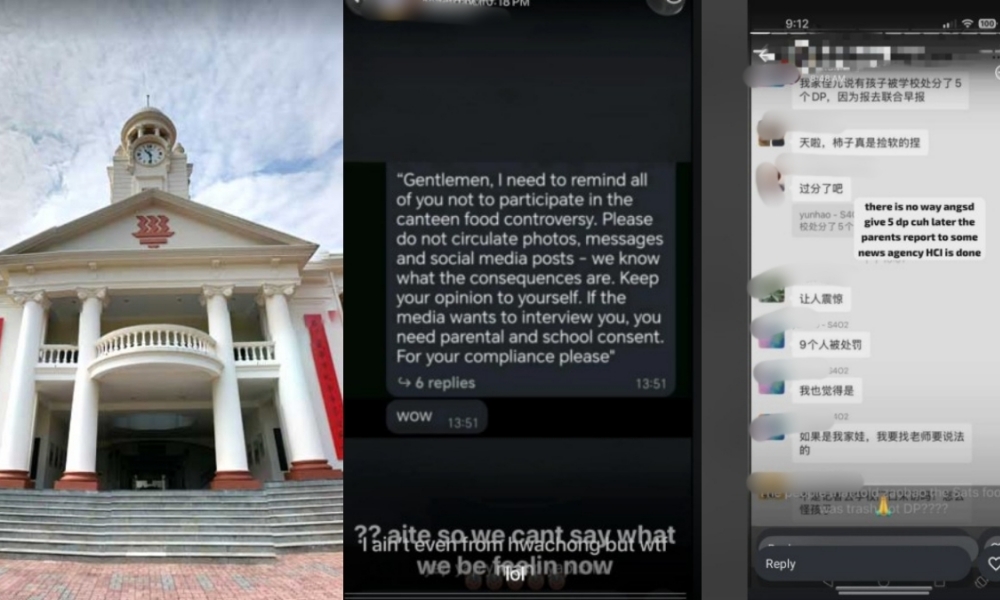
Letter: Students raise concerns over SATS central kitchen catering at Hwa Chong Institution
Hwa Chong students have raised concerns over the shift from traditional canteen stalls to SATS central kitchen catering, citing dissatisfaction with food quality, portions, pricing and the online ordering system. While some items were seen as improved, students say consistency remains an issue and want clearer standards, transparency and broader feedback channels.
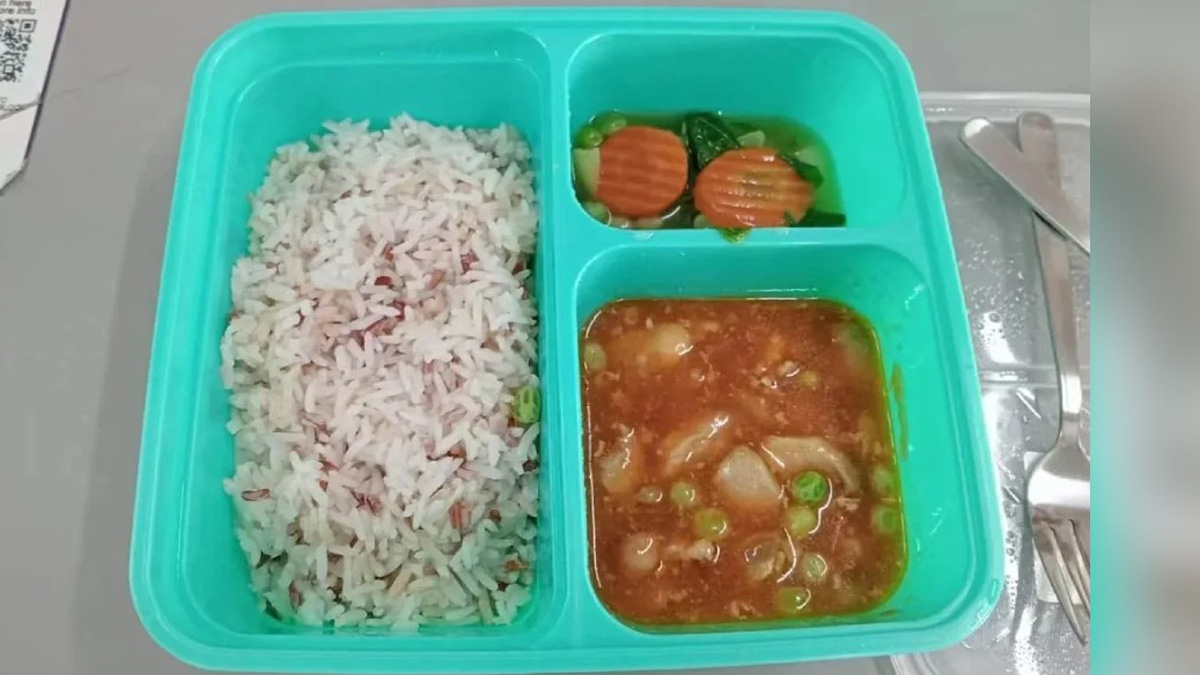

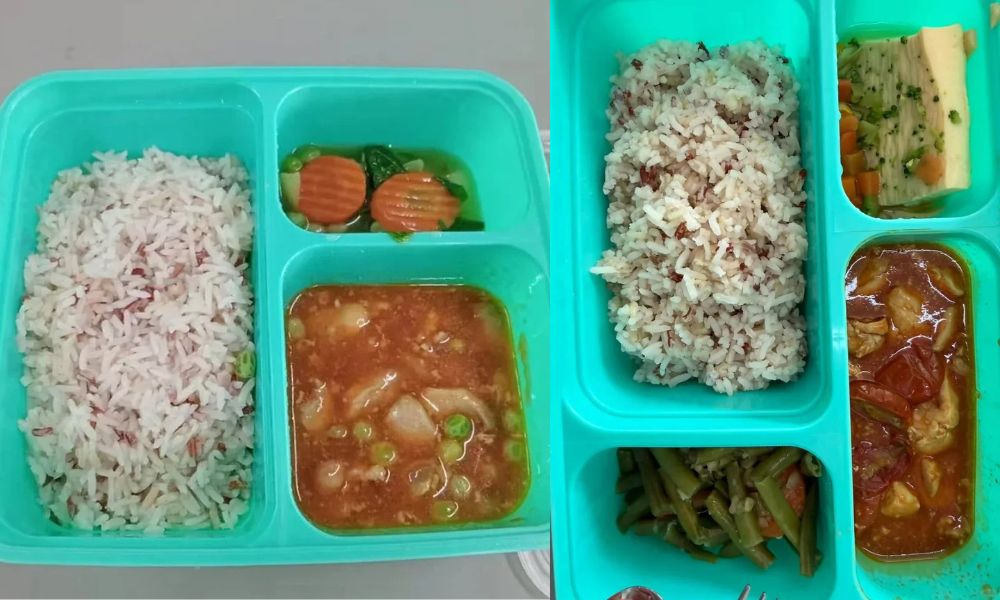
We are writing as students of Hwa Chong Institution to express concerns regarding the transition from our traditional canteen model to SATS central kitchen catering. This change affects student welfare and school culture. Based on what we have observed and heard from peers, there is significant dissatisfaction within the student body, and we believe the decline in the everyday student experience should be addressed. In the interest of balance, we acknowledge that certain aspects of the SATS service have been received favourably by some students. Items cited by students as relatively well-received include some pasta sets (such as macaroni bolognese and spaghetti with chicken chop) and selected rice dishes. The transition to SATS was first announced during a school-wide assembly in 2025. Although the initial implementation was expected to begin after the June holidays, the rollout was delayed and later introduced on a limited scale, beginning with the beverage stall. From our perspective, the move appeared to lack broad student support from the outset. Despite recurring feedback against replacing established vendors, the transition proceeded. Issues became apparent soon after implementation. Students reported inconsistent beverage quality, including drinks that appeared over-diluted and served with excessive ice. These experiences raised concerns about value for money and quality control under the new management system. We also feel the change has altered the atmosphere of the canteen. Vendors who previously served the school community with a distinct warmth and familiarity now appear to be operating under more rigid protocols. While these observations are subjective, they are widely shared among students and contribute to a perception that the canteen is no longer as community-based as before. Affordability is another concern. Students recall being informed that food prices under the SATS system would generally fall within a lower range. However, many students report paying S$3 and above for meals. Students have asked for clearer communication on pricing and what is included at each price point. In an effort to engage fairly with the new system, many students attempted to place orders through the SATS online interface towards the end of 2025. Students reported recurring usability issues, including meal images failing to load on some devices, slow loading times, and repeated logins across sessions. For a student population managing demanding academic schedules, such friction undermines the intended convenience of a centralised catering system. On food standards, feedback among students has been mixed but often negative, with concerns raised about consistency, presentation, and execution. For newly enrolled Secondary One students, the early experience of school meals has been a particular point of discussion. Some students described the initial days as substandard and said they chose to queue for live stalls instead where possible. Students have also raised concerns about side dishes, describing vegetables as over-processed and unappealing in texture, and citing examples where dishes appeared poorly assembled. Some students said particular meals did not resemble the cuisine advertised or expected, and that portions and quality did not feel commensurate with pricing. Students have also cited dissatisfaction with some items sold at the physical Western stall, including pasta dishes described as overcooked or dry, and add-ons perceived as not worth the price. We acknowledge that the school administration and SATS have taken steps to address concerns and have communicated that certain problems were isolated incidents. A food tasting session was also organised early in the school year for school leaders, parent volunteers, and student leaders. Nevertheless, some students remain unconvinced that the tasting-session samples reflect day-to-day conditions. Students have asked for more regular, transparent feedback mechanisms that include broader student representation, and for clearer disclosure of how quality control is monitored across time. We also note the administration’s public position that viral photos circulating online may not reflect typical standards. Students who disagree with that characterisation have asked for a clearer account of what SATS and the school consider the baseline portion and quality standards, and how students can independently assess whether those standards are being met. We recognise that taste is subjective. Not every student would describe the meals as inedible. However, a significant portion of the student population continues to express dissatisfaction with the system and daily offerings, and many feel there is a gap between official assurances and what students experience on the ground. We hope that by raising these concerns, the school and SATS can work with students towards a solution that restores confidence in the canteen experience and ensures meals consistently meet reasonable expectations of value, nutrition, and quality. Yours sincerely, Anonymous students of Hwa Chong Institution Editorial note This letter has been edited for publication for clarity, grammar, and length. Several statements were also tightened to distinguish between what the writers directly observed and what they report as student sentiment, and to avoid asserting motives or facts that cannot be independently verified from the letter alone (for example, definitive claims about specific price floors, staff welfare impacts, and whether tasting-session food was intentionally unrepresentative). The edits were made to preserve the authors’ core concerns while ensuring the piece meets publication standards for fairness and accuracy.